
Modernizing Hospitality Properties in Frisco: Your Guide to Strategic Hotel Renovations and Expansions
The hospitality industry in Frisco, Texas is experiencing unprecedented growth, driven by the city’s rapid economic expansion and major infrastructure developments. With downtown redevelopment projects transforming the Rail District and significant capital improvements reshaping the region, hotel owners have a unique opportunity to capitalize on this momentum through strategic modernization and expansion initiatives.
The Current State of Frisco’s Hospitality Market
Frisco’s transformation into a major business and entertainment hub has created substantial demand for quality hospitality accommodations. The city’s ongoing Downtown Rail District redevelopment project represents a $1.74 billion investment in regional infrastructure, directly impacting accessibility and visitor traffic patterns. This massive undertaking, combined with the extended FC Dallas-Toyota Stadium partnership, signals sustained commercial investment and increased tourism potential for the area.
Recent city planning and zoning commission meetings have emphasized the importance of design-build processes and code compliance for new developments, creating both opportunities and challenges for hospitality property owners looking to modernize their facilities. The emphasis on quality construction practices and adherence to evolving regulations means that renovation projects must be executed with precision and expertise.
Why Now Is the Perfect Time for Hotel Modernization
Infrastructure Investment Creates Opportunity
The Dallas North Tollway widening project and 635 East improvements are enhancing regional connectivity, making Frisco more accessible to business travelers and tourists. These infrastructure upgrades, combined with the city’s strategic focus on sustainable development practices highlighted in community environmental projects, create an ideal environment for hospitality investments.
Competitive Advantage Through Strategic Renovation
Hotel owners who act now can establish competitive advantages before the market becomes saturated with new properties. Strategic renovations that focus on energy efficiency, modern amenities, and enhanced guest experiences position properties to capture increased demand as Frisco’s profile continues to rise.
Economic Incentives and Support
The city’s partnership with local family services and community development corporations demonstrates a commitment to supporting businesses during construction and development phases. This collaborative approach helps minimize operational disruptions during renovation projects.
Key Areas for Hotel Modernization and Expansion
Guest Room Upgrades and Room Turns
Modern travelers expect contemporary amenities, efficient layouts, and sustainable features. Professional room turns and unit refresh services can maximize occupancy rates while minimizing downtime between renovation phases. Strategic upgrades to HVAC systems, energy-efficient lighting, and smart room technology not only enhance guest satisfaction but also reduce long-term operational costs.
Infrastructure Strengthening
Older hospitality properties often require infrastructure upgrades to meet current safety standards and efficiency expectations. Capital improvements to roofing, plumbing, and electrical systems ensure reliable operations while supporting expansion plans. These foundational improvements are essential before implementing guest-facing enhancements.
Commercial Space Optimization
Many hotels can maximize revenue through strategic renovation of common areas, meeting spaces, and retail areas. Tenant finishes and commercial space optimization can create additional revenue streams while enhancing the overall guest experience.
Navigating Construction in Occupied Environments
Maintaining Operations During Renovation
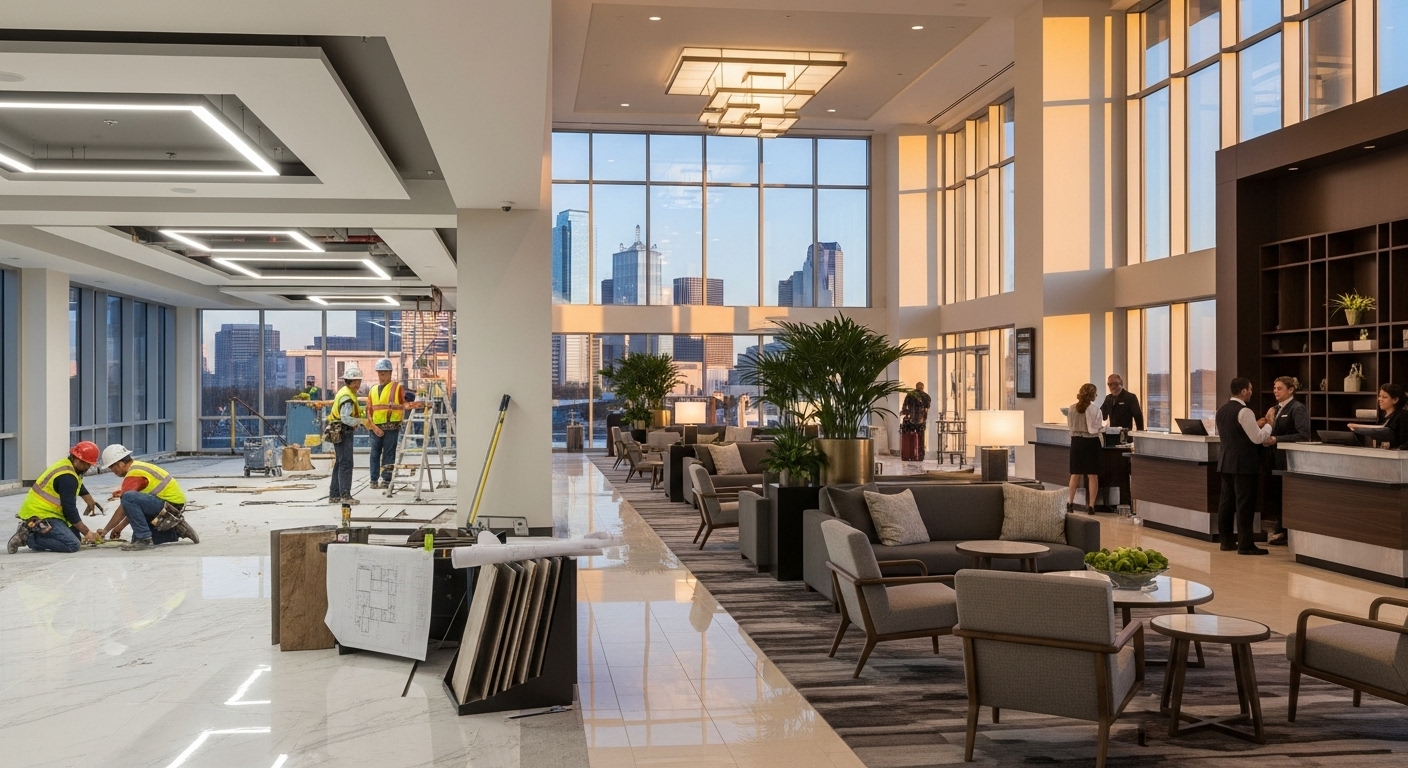
One of the biggest challenges facing hotel owners is maintaining operational continuity during renovation projects. Successful hotel renovations require specialized expertise in construction management within occupied environments. This includes careful scheduling to minimize guest disruptions, noise control measures, and phased construction approaches that allow portions of the property to remain operational.
Strategic Project Planning
Effective renovation projects begin with comprehensive property condition assessments and capital needs assessments. These evaluations identify priority areas, budget requirements, and optimal timing for different renovation phases. Independent contractor bid reviews ensure competitive pricing and quality standards throughout the project lifecycle.
The Importance of Professional Assessment and Planning
Property Condition and Capital Needs Assessment
Before embarking on any renovation or expansion project, thorough property assessments are crucial. Professional evaluations identify structural concerns, regulatory compliance issues, and opportunities for efficiency improvements. These assessments provide the foundation for strategic planning and accurate budget development.
Design-Build Advantages
The design-build approach streamlines the renovation process by integrating design and construction services under unified management. This methodology reduces project timelines, minimizes communication gaps, and ensures cohesive execution from concept to completion.
Third-Party Inspections and Quality Control
Independent inspections and project evaluations provide objective oversight throughout the construction process. This additional layer of quality control helps identify potential issues early, ensuring that renovations meet industry standards and regulatory requirements.
Maximizing Return on Investment
Energy Efficiency Upgrades
Modern hospitality properties benefit significantly from energy-efficient systems and sustainable design features. HVAC upgrades, improved insulation, and LED lighting systems reduce operational costs while appealing to environmentally conscious travelers.
Technology Integration
Contemporary guests expect seamless technology integration, from high-speed internet and mobile check-in capabilities to smart room controls and charging stations. Strategic technology upgrades enhance guest satisfaction and operational efficiency.
Flexible Space Design
Renovation projects should consider flexible space utilization that can adapt to changing market demands. Multi-purpose areas, convertible meeting spaces, and scalable accommodation options provide operational flexibility and revenue optimization opportunities.
Working with Experienced Construction Partners
The Value of Veteran-Owned Expertise
Military discipline and teamwork translate exceptionally well to construction project management. Veteran-owned construction companies bring proven organizational skills, attention to detail, and commitment to mission completion that are essential for successful hospitality renovations.
Transparent Communication and Budget Management
Successful hotel renovation projects require clear communication channels and transparent budget management. Construction partners who prioritize regular updates, milestone reporting, and proactive problem-solving help ensure projects stay on schedule and within budget.
Quality Without Compromise
Hospitality properties require construction quality that withstands heavy use and maintains aesthetic appeal over time. Working with construction professionals who understand the unique demands of hospitality environments ensures lasting results and minimizes future maintenance needs.
Planning Your Next Steps
Initial Assessment and Planning
Begin with comprehensive property evaluations to identify opportunities and prioritize improvements. Professional assessments provide the data needed for strategic decision-making and accurate project planning.
Phased Implementation Approach
Consider phased renovation approaches that allow continued operations while systematically upgrading different property areas. This strategy helps maintain revenue streams while progressing toward modernization goals.
Local Market Considerations
Frisco’s rapid growth and ongoing development projects create unique opportunities and challenges for hospitality properties. Stay informed about city planning initiatives, infrastructure projects, and regulatory changes that may impact renovation timing and requirements.
The combination of Frisco’s economic growth, infrastructure investments, and supportive business environment creates exceptional opportunities for hospitality property owners. Strategic modernization and expansion projects executed with professional expertise can position hotels to capitalize on the city’s continued development and establish lasting competitive advantages in this dynamic market.
Success in hospitality renovation requires balancing operational continuity with strategic improvements, demanding experienced construction partners who understand the unique challenges of working in occupied environments while delivering quality results on time and within budget. The investment in professional modernization today positions properties for sustained success as Frisco continues its transformation into a premier business and leisure destination.
0 Comments