
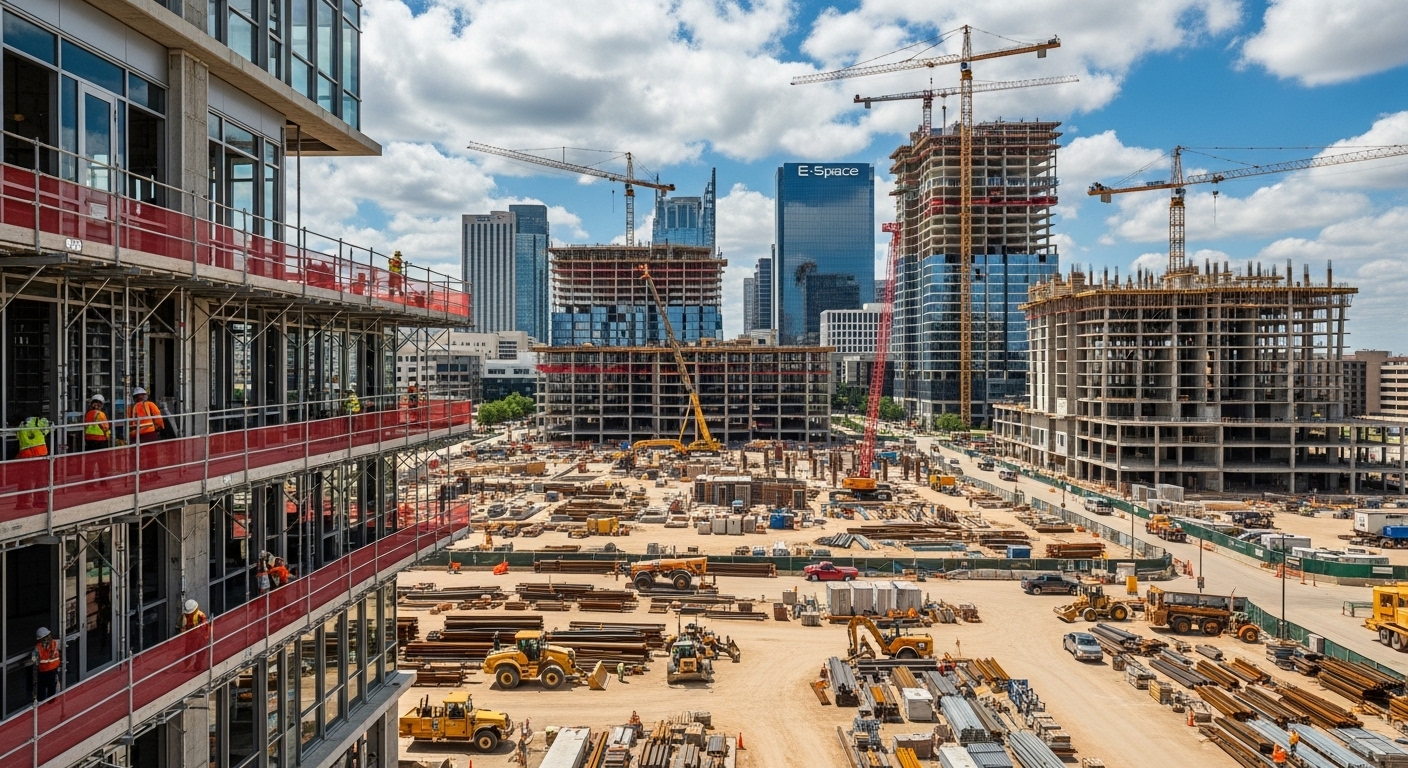
Arlington’s Construction Renaissance: How Facilities Managers Can Capitalize on 2025’s Historic Development Boom
Arlington, Texas, is experiencing an unprecedented construction surge that’s reshaping the city’s landscape and creating new opportunities for facilities managers throughout the region. With major projects like the $115 million E-Space facility and numerous downtown redevelopment initiatives underway, facility professionals need strategic approaches to navigate this dynamic market while maximizing their property investments.
Arlington’s $115 Million Infrastructure Investment Creates Ripple Effects
The city’s commitment to E-Space’s satellite communications headquarters represents more than just a single project—it’s a catalyst for widespread development across Arlington. This massive investment, scheduled for completion by spring 2027, will create 700 new jobs and establish Arlington as a key player in the emerging space economy.
For facilities managers, this development boom signals increased demand for:
- Property upgrades to attract and retain tenants in a competitive market
- Infrastructure improvements to support growing commercial activity
- Energy efficiency upgrades to meet modern standards and reduce operational costs
The “Innovate Arlington” Initiative: What It Means for Property Management
Arlington’s newly launched 20-year strategic plan, “Innovate Arlington,” prioritizes redevelopment, infill construction, and sustainable growth as the city approaches full build-out. This comprehensive approach creates unique opportunities for facilities managers to align their properties with the city’s vision for walkable, transit-friendly development.
Key focus areas include:
- Redevelopment of existing structures rather than new construction
- Enhanced walkability and public transit connectivity
- Sustainable building practices and energy-efficient systems
- Mixed-use development that combines residential and commercial spaces
Downtown Arlington’s Transformation: Multi-Million Dollar Projects Drive Market Demand
The downtown core is witnessing a wave of high-profile developments, including Caravan Court Hotel, Balfour Lofts, and several mixed-use projects. These investments are driving up property values and tenant expectations throughout the area.
Facilities managers overseeing properties in or near downtown Arlington should consider:
Immediate Upgrade Opportunities
- HVAC system modernization to improve energy efficiency
- Interior renovations to match rising market standards
- Accessibility improvements to ensure ADA compliance
- Technology infrastructure upgrades for modern connectivity needs
Strategic Capital Improvements
- Roofing and exterior renovations to enhance curb appeal
- Common area enhancements to attract quality tenants
- Parking and landscaping improvements
- Security system upgrades for modern safety standards
Workforce Development Partnerships Signal Industry Growth
The collaboration between major construction firms and the University of Texas Arlington’s Construction Management Program demonstrates the region’s commitment to developing skilled construction talent. This partnership ensures a pipeline of qualified professionals to support the ongoing construction boom.
For facilities managers, this means:
- Access to skilled contractors and construction teams
- Competitive pricing due to increased contractor availability
- Higher quality workmanship from well-trained professionals
- Faster project completion times with experienced teams
Regional Construction Trends Affecting Arlington Properties
The construction boom extends beyond Arlington’s borders, with significant activity in nearby cities like Frisco and Irving creating regional market pressures. This broader development pattern affects Arlington facilities in several ways:
Tenant Expectations Are Rising
Modern tenants expect:
- Energy-efficient building systems and smart technology integration
- Flexible spaces that can adapt to changing business needs
- Amenity-rich environments with updated common areas
- Sustainable building features and environmentally conscious operations
Competitive Market Dynamics
- Property values are increasing across the DFW metroplex
- Rental rates are rising for well-maintained, modern facilities
- Tenant retention becomes critical in a competitive market
- Preventive maintenance is more cost-effective than reactive repairs
Specialized Construction Considerations for Occupied Properties
Many Arlington facilities require improvements while remaining operational. This creates unique challenges that require experienced construction partners who understand occupied environment protocols.
Critical Success Factors
- Phased construction to minimize operational disruption
- Clear communication with tenants and stakeholders
- Safety protocols for occupied spaces
- Flexible scheduling to accommodate business operations
Recommended Project Types for Occupied Facilities
- Room turns and unit refreshes to maintain competitive rental rates
- Common area renovations during off-peak hours
- Infrastructure upgrades with minimal tenant impact
- Energy efficiency improvements that reduce long-term operational costs
Strategic Partnership Selection: The Veteran Advantage
Given Arlington’s military heritage and the precision required for complex construction projects, veteran-owned construction companies bring unique advantages to facility improvement projects. These firms typically offer:
- Military-grade project management with attention to detail
- Clear communication protocols and transparent reporting
- On-time delivery with budget accountability
- Quality workmanship that stands the test of time
Companies like Alder Designs, serving the Fort Worth and greater Texas region, exemplify this approach by combining over 70 years of construction expertise with military discipline and precision.
Capital Improvement Strategies for Maximum ROI
Facilities managers should prioritize improvements that offer the best return on investment while positioning properties for long-term success in Arlington’s evolving market.
High-Impact Improvements
- Energy efficiency upgrades – LED lighting, smart HVAC systems, and improved insulation
- Technology infrastructure – Enhanced WiFi capabilities and smart building systems
- Accessibility enhancements – ADA compliance and universal design features
- Exterior improvements – Modern landscaping, updated signage, and curb appeal enhancements
Phased Improvement Approach
- Phase 1: Critical safety and code compliance updates
- Phase 2: Energy efficiency and technology upgrades
- Phase 3: Aesthetic improvements and amenity enhancements
- Phase 4: Long-term infrastructure investments
Navigating the Construction Market: Best Practices for Facilities Managers
Vendor Selection Criteria
When selecting construction partners for Arlington properties, prioritize:
- Local market expertise and understanding of regional regulations
- Proven track record with similar property types
- Transparent pricing and detailed project documentation
- Strong communication and project management capabilities
- Proper licensing and insurance coverage
Project Planning Essentials
- Comprehensive property assessments to identify all improvement needs
- Budget planning with contingency reserves for unexpected issues
- Timeline coordination with tenant schedules and business operations
- Quality control protocols to ensure lasting results
Future-Proofing Your Arlington Properties
As Arlington continues its transformation into a modern, technology-forward city, facilities managers must think strategically about long-term property positioning.
Emerging Trends to Consider
- Smart building technology integration for improved efficiency
- Sustainable building practices to meet environmental standards
- Flexible space design to accommodate changing tenant needs
- Enhanced security systems for modern safety requirements
Investment Priorities
Focus improvement dollars on:
- Infrastructure systems that support future technology needs
- Energy efficiency measures that reduce long-term operational costs
- Accessibility improvements that ensure broad market appeal
- Quality materials that minimize future maintenance requirements
Conclusion: Seizing Arlington’s Construction Opportunity
Arlington’s historic construction boom presents unprecedented opportunities for facilities managers to upgrade properties, improve tenant satisfaction, and maximize investment returns. The key to success lies in strategic planning, careful contractor selection, and alignment with the city’s long-term vision for sustainable, modern development.
By partnering with experienced construction professionals who understand occupied environments and complex facility improvement projects, facilities managers can navigate this dynamic market while delivering exceptional results for their properties and tenants.
The time to act is now. With major projects underway and more planned through 2027, early movers in the facilities management space will be best positioned to capitalize on Arlington’s transformation and secure their properties’ competitive advantage in this thriving Texas market.
0 Comments