
Capital Improvements for Multi-Family Properties in Fort Worth: Boost Value & Occupancy
Capital improvements are the most effective way for multi‑family property owners in Fort Worth to boost value, increase rents, and reduce vacancy.
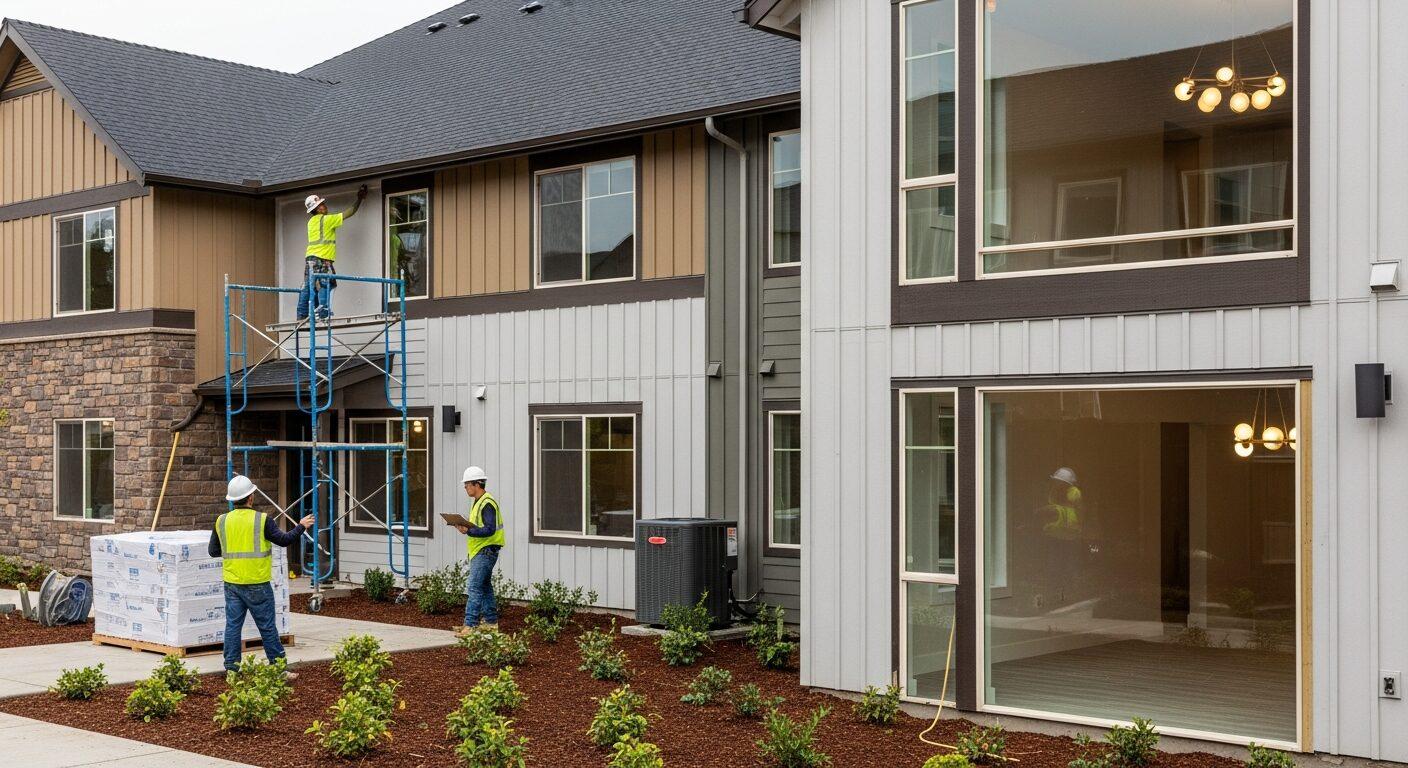
Multi-family property owners face a constant challenge: how do you upgrade aging units and common areas without disrupting daily operations or draining your budget? Capital improvements are one of the most effective ways to boost property value, reduce vacancy, and increase tenant satisfaction, but planning and executing them requires expertise, clear communication, and proven execution.
Whether you’re managing apartment complexes in Fort Worth, Texas, or overseeing senior living communities, the difference between a renovation project that pays for itself and one that becomes a costly headache comes down to proper planning, professional execution, and transparent project management.
What Are Capital Improvements and Why They Matter for Multi-Family Properties
Capital improvements are upgrades that extend the life of a property, increase its functionality, or add new features that enhance value. Unlike routine maintenance, capital improvements represent significant investments that boost both immediate appeal and long-term property performance.
For multi-family properties, capital improvements might include:
- Roofing and structural repairs that protect your asset and reduce insurance costs
- HVAC system upgrades that improve energy efficiency and tenant comfort
- Plumbing modernization to prevent costly emergency repairs
- Flooring and finish updates that transform unit appeal and justify higher rents
- Energy-efficient upgrades like LED lighting and smart thermostats
- Common area renovations that improve curb appeal and resident satisfaction
The impact is measurable: properties with modern units and updated amenities command 5–15% higher rents and experience significantly lower turnover. A strategic capital improvements plan turns aging properties into competitive assets.
The Challenge: Managing Renovations in Occupied Properties
Executing capital improvements in a multi-family complex where residents are living is fundamentally different from building new construction. You’re balancing:
- Tenant disruption minimization — no one wants construction noise at 8 a.m.
- Phased project execution — spreading work across quarters or years to maintain occupancy
- Budget predictability — avoiding surprise costs that exceed projections
- Quality assurance — ensuring work meets professional standards on the first pass
Many property managers have experienced the frustration of contractors who underestimated timelines, exceeded budgets, or left work incomplete. When you’re managing occupied units, these failures directly impact your bottom line through lost rent, tenant complaints, and reputation damage.
This is why professional construction management and third-party oversight matter. A dedicated team that specializes in occupied environment renovations brings discipline, transparency, and accountability to every phase of work.
Creating a Strategic Capital Improvements Plan
Successful renovations start with a clear assessment and a realistic plan. Here’s how professional teams approach multi-family capital improvements:
Step 1: Comprehensive Property Assessment
Before ordering materials or hiring contractors, you need to understand exactly what your property needs. A thorough Property Condition Assessment (PCA) or Capital Needs Assessment (CNA) identifies:
- Current condition of all major systems (roof, HVAC, plumbing, electrical)
- Remaining useful life of key components
- Priority repairs vs. optional upgrades
- Estimated costs and timeline for each improvement
This foundation prevents costly guesswork and helps you prioritize investments that deliver the highest ROI.
Step 2: Strategic Planning and Sequencing
Not all improvements should happen at once. A phased approach allows you to:
- Maintain occupancy while work progresses
- Spread capital expenses across fiscal years
- Adjust plans based on market conditions and funding availability
- Execute work in logical order (e.g., exterior/structural before interior finishes)
Professional construction managers excel at creating timelines that balance your operational needs with project efficiency.
Step 3: Contractor Vetting and Bid Management
A competitive bidding process isn’t just about finding the lowest price. You need contractors who:
- Have verified experience with multi-family projects
- Can work in occupied environments without disrupting residents
- Maintain transparent communication and progress tracking
- Stand behind their work with warranties and follow-up service
Independent bid reviews and contractor audits protect you from overpriced proposals and unreliable contractors. Experienced teams can spot red flags in estimates that inexperienced property managers might miss.
Step 4: Project Execution with Built-In Quality Control
The execution phase is where planning meets reality. This requires:
- Daily site supervision and progress tracking
- Real-time problem-solving when issues arise
- Clear communication with residents about schedules and access
- Quality inspections before work is accepted and paid for
- Budget tracking to prevent cost overruns
A dedicated construction management team acts as your advocate, ensuring contractors deliver exactly what was promised, on schedule, and on budget.
Room Turns and Unit Refreshes: Quick Wins for Occupancy
Not every capital improvement requires a multi-month overhaul. Strategic room turns and unit refresh services allow property managers to modernize units quickly between tenants, maximizing occupancy rates and rental income.
A professional room turn might include:
- Paint, flooring refresh, or carpet replacement
- Updated lighting fixtures and hardware
- Plumbing fixture upgrades (faucets, showerheads)
- Appliance replacement or refurbishment
- Cosmetic upgrades that add visual appeal
When executed efficiently, a complete unit refresh can be completed in 1–2 weeks, allowing the property to re-list and attract new tenants faster. The investment typically pays for itself through higher rents and reduced vacancy within 6–12 months.
Capital Improvements for Specialized Sectors
Different property types have unique renovation needs and priorities:
Senior Living Communities
Senior housing requires specialized upgrades like:
- Accessibility modifications (grab bars, wider doorways, accessible bathrooms)
- Fall prevention features and safety enhancements
- Lighting and visibility improvements for aging residents
- Common area updates that encourage community engagement
Senior living communities that invest in thoughtful renovations see improved resident retention and stronger occupancy rates.
Hospitality Properties
Guest-facing properties need frequent refreshes to maintain competitive appeal. Capital improvements for hospitality include:
- Guest room modernization (beds, furniture, technology)
- Bathroom fixture and tile updates
- Common area enhancements (lobbies, dining areas, recreation spaces)
- Exterior improvements that boost curb appeal
Regular capital improvements help hospitality properties command higher nightly rates and maintain booking momentum.
Commercial Spaces and Tenant Finishes
Commercial property owners benefit from customized tenant improvement packages that:
- Attract quality tenants with modern, efficient spaces
- Support diverse business needs through flexible buildouts
- Improve energy efficiency and reduce operational costs
- Enhance property value and attractiveness to investors
The Numbers: ROI of Strategic Capital Improvements
Data consistently shows that strategic capital improvements deliver measurable financial returns:
- Rent increases: 5–15% higher rents for modernized units vs. dated units
- Occupancy rates: Properties with updated amenities experience 2–5% higher occupancy
- Turnover reduction: Tenant retention improves, reducing turnover costs
- Property valuation: Properties with capital improvement plans sell at higher multiples
- Energy savings: Modern systems reduce utility costs by 10–30%
For example, investing $50,000 in a 20-unit building improvement project that increases occupancy by 2 units and justifies a $50/month rent increase generates approximately $12,000 in additional annual revenue—a 24% annual return on investment.
The key is strategic selection: focus on improvements that align with market demands and deliver measurable returns, rather than cosmetic upgrades that don’t affect rents or occupancy.
Finding the Right Construction Partner
Not all construction companies are equally equipped to handle multi-family capital improvements. The best partners bring:
- Proven experience with complex, occupied-environment projects
- Transparency and clear communication from start to finish
- Specialist expertise in the property type you operate (senior living, hospitality, multi-family, commercial)
- Quality assurance processes that ensure work is done right the first time
- On-time and on-budget delivery backed by track records and testimonials
- Professional certifications and industry recognition
In Fort Worth, Texas, property managers can access local construction management teams with deep expertise in multi-family renovations, capital improvements, and strategic project planning. Working with local partners who understand regional building codes, contractor availability, and market conditions eliminates unnecessary delays and cost surprises.
Common Capital Improvement Mistakes to Avoid
Learning from others’ experiences can save you significant time and money:
- Skipping the assessment phase — Guessing at what needs improvement leads to wasted money
- Underestimating timelines — Unrealistic schedules cause rushed work and poor quality
- Accepting the lowest bid without vetting — Budget-focused contractors often cut corners
- Poor communication with residents — Surprises create complaints and reputation damage
- Ignoring long-term maintenance costs — Choose durable, maintainable materials, not just cheap ones
- Not planning for disruption — Failing to sequence work properly increases tenant friction
- Paying contractors before verifying work quality — This removes your leverage for corrections
A professional construction partner helps you navigate these pitfalls and protects your investment from start to finish.
Next Steps: Planning Your Property’s Capital Improvements
If your multi-family property is approaching the point where capital improvements are necessary, or if you’re ready to execute a strategic upgrade plan, start with these steps:
- Schedule a property assessment to identify what needs improvement and prioritize by ROI
- Develop a 3–5 year capital improvement plan that aligns with your financial capacity and market goals
- Gather competitive bids from qualified contractors with multi-family experience
- Review and audit proposals to ensure accuracy and fair pricing
- Establish clear timelines and communication protocols with your chosen construction team
- Phase execution strategically to minimize disruption and maintain occupancy
Capital improvements aren’t just maintenance—they’re strategic investments in your property’s future. Done right, they increase value, improve occupancy, boost tenant satisfaction, and generate measurable financial returns for years to come. The question isn’t whether to invest in capital improvements; it’s how to execute them efficiently, transparently, and with minimal disruption to your operations and residents.