
I need to retrieve the previous step outputs to access the article details, internet search data, and other information needed to write the blog post.
Capital Improvements and Unit Turns: Essential Services for Fort Worth and Waco Property Managers
Property managers and real estate investors across the Fort Worth and Waco corridors face constant pressure to maximize occupancy rates, maintain property value, and keep tenants satisfied. One of the most effective ways to achieve these goals is through strategic capital improvements and fast unit turns—services that directly impact your bottom line and competitive position in an increasingly crowded multifamily and hospitality market.
The North–Central Texas construction landscape is experiencing rapid growth, with mixed-use developments, residential communities, and commercial projects expanding from Waco through Fort Worth and beyond. This momentum creates both opportunity and urgency: properties that undergo timely renovations and professional unit refreshes command higher rents, retain tenants longer, and attract quality residents and guests.
What Are Capital Improvements and Unit Turns?
Capital improvements are significant upgrades to your property that extend its useful life, improve functionality, or add value. These include roofing replacements, HVAC system upgrades, plumbing modernization, energy-efficient installations, and interior refreshes that elevate the overall property condition.
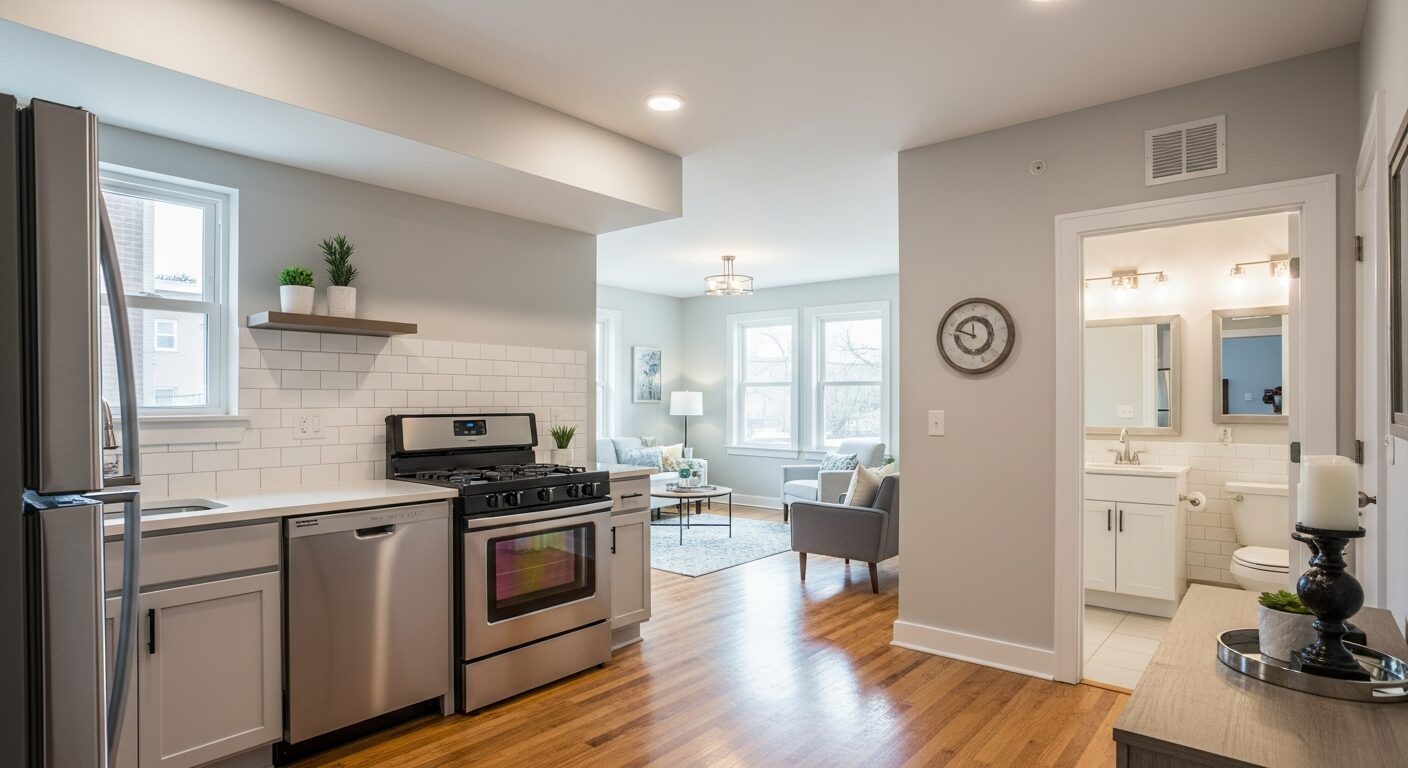
Unit turns—or room turns—are the rapid turnaround of individual apartments, hotel rooms, or multifamily units between tenant departures and new occupancies. Fast, professional unit turns minimize vacancy periods and lost rental income while presenting a polished, move-in-ready space to prospective residents.
Both services share a common goal: preserving and enhancing property value while maintaining operational continuity. For senior living facilities, hospitality properties, and multifamily complexes, these services are not optional—they’re essential to staying competitive.
Why Capital Improvements Matter in Today’s Market
Recent construction activity across the Fort Worth–Waco corridor demonstrates sustained demand for property upgrades. Mixed-use communities, affordable housing initiatives, and infrastructure projects signal that tenants and investors increasingly expect modernized facilities with quality finishes.
Property owners who invest in capital improvements see measurable returns:
- Increased rental rates: Updated units and modernized systems justify higher monthly rents.
- Improved occupancy: Well-maintained, upgraded properties attract and retain quality residents.
- Reduced maintenance costs: New HVAC, roofing, and plumbing systems lower ongoing repair expenses.
- Enhanced property value: Capital improvements translate directly to assessed valuations and resale appeal.
- Tenant satisfaction: Residents stay longer in properties that feel fresh and well-maintained.
For properties considering energy-efficient upgrades—HVAC replacements, roofing, or envelope improvements—the Texas PACE Authority financing option can make these projects more accessible by spreading costs across property tax assessments.
The Strategic Advantage of Fast, Professional Unit Turns
Vacancy is the enemy of profitability. A 30-day vacancy in a single unit costs property managers thousands in lost rental income. Fast unit turns directly address this challenge by minimizing the time between tenant departure and new move-in.
Professional unit turn services include deep cleaning, minor repairs, cosmetic updates, and fixture replacements—all completed on schedule and within budget. Properties across Fort Worth and Waco that execute rapid unit turns see measurable benefits:
- Reduced vacancy periods: Turn units in days rather than weeks.
- Consistent occupancy revenue: Every day a unit sits empty is lost income.
- Competitive positioning: Properties with available, move-in-ready units outcompete those with extended turnover times.
- Higher resident quality: The ability to rapidly refresh and re-lease units allows you to be selective about tenant placement.
Senior living facilities particularly benefit from streamlined room-turn services. When a resident departs, a quick refresh—new paint, updated flooring, refreshed bathroom fixtures—makes the space immediately attractive to new families evaluating the community.
Capital Improvements for Specific Property Types
Senior Living Communities
Senior living facilities face unique pressures. Prospective residents and their families expect modern, well-maintained spaces. Capital improvements in senior housing often focus on accessibility upgrades, safety enhancements (grab bars, non-slip surfaces), updated HVAC and plumbing systems, and contemporary interior finishes.
Facilities that prioritize renovations attract more inquiries, maintain higher occupancy rates, and build stronger community reputations. The Clearfork and similar high-end senior living projects in Fort Worth showcase the quality standard expected in the market.
Hospitality Properties
Hotel and inn owners understand that guest perception starts the moment someone enters a room. Capital improvements in hospitality settings include updated bedding, modern bathroom fixtures, contemporary flooring, fresh paint, and reliable climate control. Professional unit turns between guests ensure consistent quality and positive reviews.
Multifamily Complexes
Apartment and townhome communities compete intensely for residents. Strategic capital improvements—updated kitchens with modern appliances, refreshed flooring, energy-efficient windows, and contemporary lighting—allow property managers to increase rents and attract quality tenants. Fast unit turns minimize vacancy losses and create a steady stream of move-in-ready homes.
The Construction Management Advantage
Many property managers and owners attempt unit turns and capital improvements in-house or with a patchwork of subcontractors. This approach often leads to budget overruns, schedule delays, quality issues, and operational disruptions.
Professional construction management services provide a structured, transparent approach:
- Transparent budgeting: No surprises—detailed cost estimates and clear invoicing.
- Schedule reliability: Projects complete on time, minimizing operational disruption.
- Quality control: Certified professionals ensure work meets industry standards and exceeds expectations.
- Unified project oversight: One point of contact manages all aspects of the project, from planning through final delivery.
- Occupied-environment expertise: Construction teams skilled in working in active properties minimize tenant disruption and maintain safety protocols.
Local Expertise Across Fort Worth and Waco
The Fort Worth–Waco corridor is experiencing robust growth, and construction demand continues to expand from Waxahachie through the DFW metroplex. Property managers in this region benefit from working with construction partners who understand local market conditions, supplier relationships, permit processes, and regional standards.
Veteran-led construction firms bring military discipline and proven teamwork to complex projects. These teams excel at transparent communication, punctual delivery, and construction done right the first time—qualities that translate to reduced rework, cost savings, and stronger partnerships with property owners.
How to Evaluate Capital Improvement ROI
Before committing to capital improvements, property managers should understand the return on investment. Consider these factors:
- Current property condition: What upgrades are necessary to remain competitive?
- Market rent rates: Will improvements justify higher rents in your local market?
- Tenant demographics: What amenities and finishes matter most to your target resident profile?
- Financing options: Are PACE, traditional loans, or cash reserves your best option?
- Timeline: How quickly do you need improvements to impact occupancy and revenue?
A property condition assessment or capital needs assessment from certified professionals can provide data-driven insights into which improvements will deliver the strongest return.
Streamlining Unit Turns Without Operational Disruption
Successfully executing unit turns in occupied properties requires coordination and discipline. Professional contractors familiar with working in multifamily, senior living, and hospitality environments understand how to:
- Schedule work to minimize tenant impact
- Maintain safety protocols and regulatory compliance
- Coordinate access and communicate clearly with residents and staff
- Execute work efficiently to meet tight turnaround deadlines
- Maintain cleanliness and professionalism throughout the process
For hospitality properties operating around the clock, professional unit turns allow management to refresh guest rooms between check-outs and check-ins without disrupting operations or losing revenue.
The Bottom Line
Capital improvements and professional unit turns are not expenses—they are strategic investments in your property’s competitiveness, occupancy rates, and long-term value. In a rapidly growing market like the Fort Worth–Waco corridor, properties that prioritize renovation and refresh services outperform those that delay or underinvest.
Whether you manage senior living communities, hospitality properties, multifamily complexes, or commercial spaces, partnering with experienced construction professionals ensures your projects deliver results on time, on budget, and with transparency. The difference between DIY approaches and professional construction management often comes down to final quality, cost control, and the ability to keep your property operational while improvements happen around you.
In today’s competitive Texas real estate market, the question is not whether to invest in capital improvements and unit turns—it’s how quickly you can get started to maximize your occupancy rates, tenant satisfaction, and property value.
0 Comments