
DFW Construction Trends 2025: Senior Living Renovations & Strategic Upgrades
Explore Dallas-Fort Worth’s booming 2025 construction market focusing on senior living renovations.
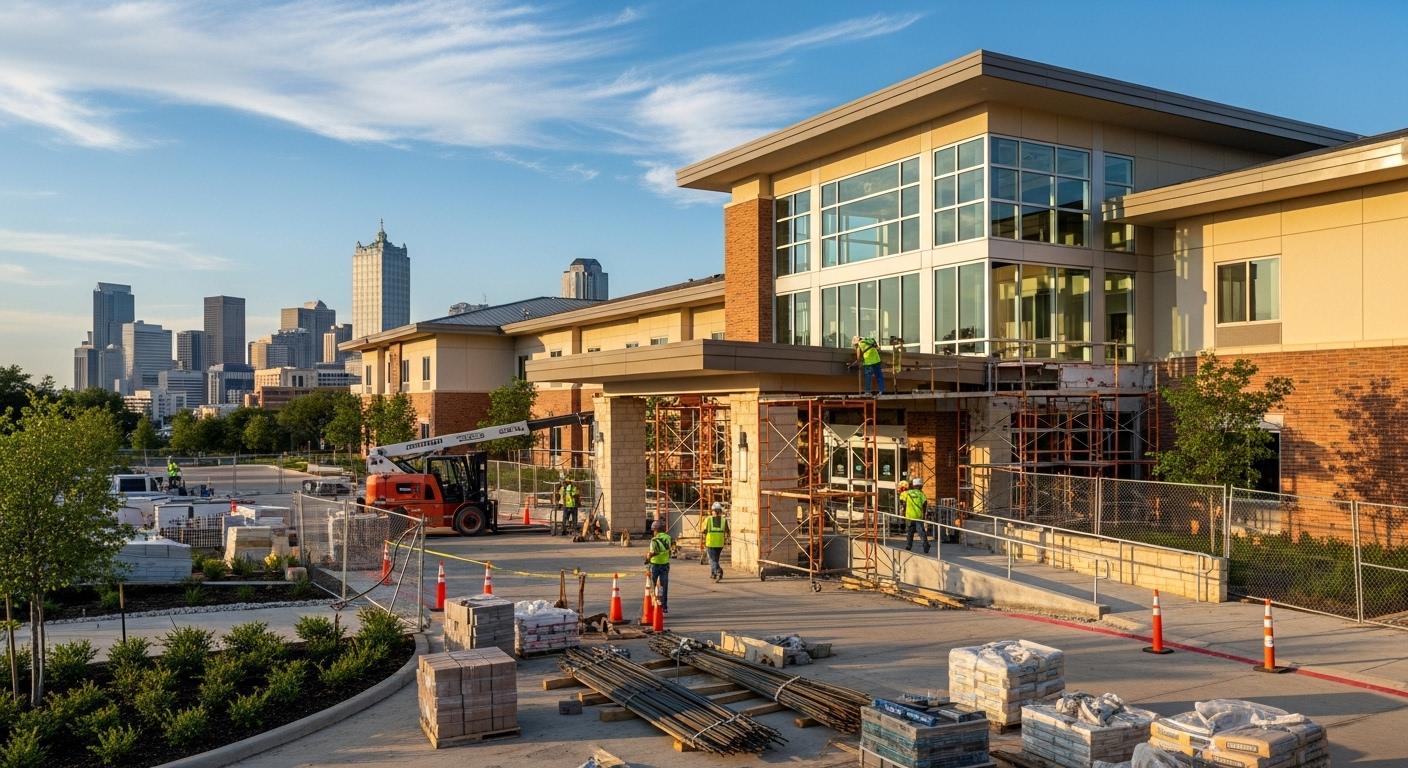
The construction industry in Fort Worth, Texas is experiencing unprecedented growth in 2025, with senior living renovations leading the charge in high-demand sectors. As property owners and managers across North Texas navigate the evolving landscape of resident expectations and regulatory requirements, strategic renovation approaches have become essential for maintaining competitive advantage and operational excellence.
Fort Worth’s Construction Boom Creates Opportunities for Senior Living Upgrades
Recent industry reports reveal that 92% of Texas contractors are experiencing difficulty finding skilled workers, yet demand for construction services continues to surge across the Dallas-Fort Worth metroplex. This unique market dynamic has created both challenges and opportunities for senior living facility operators looking to enhance their properties.
The Texas construction industry forecast for 2025 indicates continued vitality, with particular strength in specialized renovation services. Fort Worth’s strategic location and ongoing infrastructure investments have positioned the city as a hotspot for property development and improvement projects, making it an ideal environment for senior living communities to undertake strategic upgrades.
The Growing Demand for Senior Living Renovations in North Texas
Market Drivers Fueling Renovation Needs
Several key factors are driving the surge in senior living construction projects across Fort Worth:
- Population Growth: Continued migration to North Texas is increasing demand for quality senior housing options
- Regulatory Updates: Evolving health and safety standards require facility improvements
- Resident Expectations: Modern seniors expect hotel-quality amenities and contemporary living spaces
- Competitive Pressure: The “flight to quality” trend is pushing operators to invest in premium finishes and upgrades
Current Construction Trends Impacting Senior Living
The latest DFW quarterly construction data highlights robust activity in tenant finishes, facility rebuilds, and multi-family upgrades. For senior living operators, this translates to:
- Fast-turn renovation projects gaining priority to minimize operational disruption
- High-impact capital improvements focusing on common areas and resident units
- Energy efficiency upgrades becoming standard practice for cost savings
- Accessibility enhancements meeting evolving ADA compliance requirements
Strategic Renovation Planning for Occupied Senior Living Facilities
The Challenge of Construction in Occupied Environments
Operating senior living communities face unique construction challenges that require specialized expertise. Construction in occupied environments demands:
- Minimal disruption to daily operations and resident routines
- Enhanced safety protocols to protect vulnerable populations
- Flexible scheduling around meal times, activities, and care schedules
- Clear communication with residents, families, and staff throughout the project
Four-Step Approach to Successful Senior Living Renovations
Industry experts recommend a systematic approach to senior living renovation projects:
1. Comprehensive Assessment
- Property condition evaluations
- Capital needs assessments
- Regulatory compliance reviews
- Resident satisfaction surveys
2. Strategic Planning
- Phased construction timelines
- Budget transparency and controls
- Vendor selection and management
- Risk mitigation strategies
3. Expert Execution
- Specialized construction teams
- Quality control measures
- Safety protocol implementation
- Progress monitoring and reporting
4. Project Delivery
- Final inspections and approvals
- Resident move-in coordination
- Warranty and maintenance planning
- Performance evaluation
High-Impact Renovation Areas for Senior Living Communities
Common Area Transformations
Lobby and Reception Areas: First impressions matter significantly in senior living. Modern lobby renovations featuring contemporary finishes, comfortable seating areas, and improved lighting create welcoming environments that appeal to prospective residents and their families.
Dining Facilities: Restaurant-quality dining spaces with updated kitchens, flexible seating arrangements, and enhanced acoustics improve the dining experience and support community building among residents.
Activity and Wellness Centers: Dedicated spaces for fitness, therapy, and social activities require specialized flooring, lighting, and equipment installation to support active aging programs.
Resident Unit Upgrades
Kitchen and Bath Renovations: Updated kitchens with senior-friendly appliances and accessible bathrooms with walk-in showers and grab bars enhance safety and independence for residents.
Flooring and Finishes: Slip-resistant flooring options, improved lighting fixtures, and modern paint colors create more attractive and safer living environments.
Technology Integration: Smart home features, emergency call systems, and high-speed internet infrastructure meet modern connectivity expectations.
Capital Improvements That Maximize ROI for Senior Living Operators
Infrastructure Upgrades
HVAC System Modernization: Energy-efficient heating and cooling systems reduce operational costs while improving indoor air quality and comfort for residents.
Roofing and Exterior Improvements: Weather-resistant roofing systems and updated exteriors protect the facility while enhancing curb appeal and property values.
Electrical and Plumbing Updates: Modern electrical systems and plumbing infrastructure support current technology needs while ensuring safety and reliability.
Accessibility and Safety Enhancements
ADA Compliance Improvements: Ramps, doorway widening, and accessible bathroom installations ensure compliance with current regulations and improve resident mobility.
Security System Upgrades: Modern access control, surveillance, and emergency response systems enhance resident safety and provide peace of mind for families.
Fire Safety Improvements: Updated sprinkler systems, fire-rated materials, and improved evacuation routes meet current safety standards.
Navigating Construction Management Challenges
Contractor Selection and Management
Choosing the right construction partner is crucial for senior living renovation success. Key considerations include:
- Experience with occupied facilities and senior living environments
- Proven track record in healthcare and residential construction
- Comprehensive insurance coverage and bonding capabilities
- Clear communication protocols and project management systems
Budget Management and Cost Control
Transparent pricing and detailed project estimates help operators make informed decisions about renovation investments. Professional bid reviews and contractor audits ensure competitive pricing and prevent cost overruns.
Phased construction approaches allow for budget flexibility and minimize operational disruption by spreading costs across multiple budget cycles.
The Role of Third-Party Inspections in Senior Living Projects
Property Condition Assessments
Independent property evaluations provide objective assessments of facility conditions and help prioritize renovation investments. These assessments identify:
- Immediate safety concerns requiring urgent attention
- Capital improvement needs within 5-10 year timeframes
- Energy efficiency opportunities for operational savings
- Compliance gaps requiring remediation
Quality Assurance and Project Oversight
Third-party inspections throughout renovation projects ensure work quality meets specifications and industry standards. Regular inspections help identify potential issues early, preventing costly corrections later.
Fort Worth’s Veteran-Owned Construction Advantage
The Fort Worth construction market benefits from a strong presence of veteran-owned construction companies that bring military discipline and precision to complex renovation projects. These firms offer distinct advantages:
- Mission-driven approaches focusing on integrity and purpose
- Proven teamwork and communication skills developed through military service
- Attention to detail and quality control processes
- Commitment to deadlines and budget compliance
Companies like Alder Designs exemplify this veteran advantage, combining over 70 years of construction expertise with military discipline to deliver strategic construction services across Fort Worth and surrounding areas.
Market Outlook and Opportunities for 2025
Continued Growth Projections
Industry forecasts indicate sustained growth in North Texas construction throughout 2025, despite workforce challenges. For senior living operators, this means:
- Increased competition for qualified contractors
- Premium pricing for specialized renovation services
- Extended project timelines due to labor shortages
- Greater emphasis on project efficiency and management
Emerging Trends and Technologies
Sustainable construction practices and energy-efficient systems are becoming standard expectations rather than premium options. Senior living facilities investing in green technologies often see significant operational savings and enhanced marketability.
Smart building technologies including automated systems, health monitoring capabilities, and enhanced connectivity options are increasingly important for attracting and retaining residents.
Strategic Partnership Benefits for Senior Living Operators
Comprehensive Service Integration
Working with full-service construction management companies provides senior living operators with streamlined project coordination and accountability. Integrated services typically include:
- Design-build capabilities for seamless project development
- Project management and timeline coordination
- Vendor management and quality control oversight
- Regulatory compliance guidance and documentation
Long-Term Relationship Value
Establishing ongoing relationships with trusted construction partners provides senior living operators with:
- Consistent quality standards across multiple projects
- Preferential scheduling during high-demand periods
- Volume pricing advantages for larger renovation programs
- Facility knowledge that improves future project efficiency
Conclusion: Positioning for Success in Fort Worth’s Growing Market
The robust construction market in Fort Worth presents significant opportunities for senior living community operators ready to invest in strategic renovations and upgrades. With proper planning, experienced contractors, and a focus on resident-centered improvements, these projects can enhance property values, improve operational efficiency, and create competitive advantages in the growing North Texas senior living market.
Success in this environment requires careful contractor selection, comprehensive project planning, and a commitment to quality execution. Operators who partner with experienced, veteran-owned construction companies benefit from the discipline, expertise, and reliability needed to navigate complex renovation projects while maintaining exceptional resident care and satisfaction.
The investment in quality renovations today positions Fort Worth senior living communities for sustained success as the market continues to evolve and grow throughout 2025 and beyond.