
I need to retrieve the detailed information from the previous workflow steps to create your blog post. Let me gather that data now.
Capital Improvements for Multifamily Properties: How Fort Worth Renovation Experts Maximize ROI
Multifamily property owners across Fort Worth, Arlington, and the Dallas-Fort Worth Metroplex face a relentless challenge: aging buildings, rising tenant expectations, and the need to maintain occupancy while improving asset value. A single delayed room turn, overlooked capital repair, or poorly executed renovation can cost thousands in lost revenue—and damage your reputation with residents who demand modern, move-in-ready spaces.
The path forward is clear for savvy property managers: capital improvements paired with strategic renovation planning. But success demands more than a contractor with a truck and crew. You need a construction partner with deep expertise in occupied-environment work, transparent project management, and the discipline to deliver on time and on budget.
This is where veteran-owned firms like Alder Designs excel in Fort Worth. Their 70+ years of combined construction expertise, mission-driven approach, and specialization in multifamily capital improvements help property owners unlock real ROI while keeping residents satisfied.
Why Multifamily Capital Improvements Matter More Than Ever
The data tells a compelling story. Arlington’s 2025-2029 Housing Needs Assessment identifies significant demand for preservation of aging multifamily properties and targeted capital upgrades. Across Fort Worth and the Metroplex, REITs and institutional investors are channeling billions into large-scale renovations and tenant improvements—signaling that the market rewards properties that invest strategically in their infrastructure.
Capital improvements serve a dual purpose: they reduce long-term maintenance costs and increase net operating income (NOI). A strategic roof replacement, energy-efficient HVAC system, or modernized common areas can position your property to command higher rents and attract quality tenants who stay longer.
But here’s the reality most property managers don’t anticipate: poorly planned or executed capital work creates operational disruption, tenant friction, and cost overruns. The difference between a smooth renovation and a chaotic one often comes down to contractor expertise and project management discipline.
The Multifamily Challenge: Room Turns, Occupied-Space Construction, and Hidden Costs
Room turns—the process of refreshing a unit between tenants—represent one of the highest-value, highest-risk activities in multifamily operations. A slow room turn extends vacancy and erodes revenue. A poorly executed one forces future repairs and disappoints incoming residents.
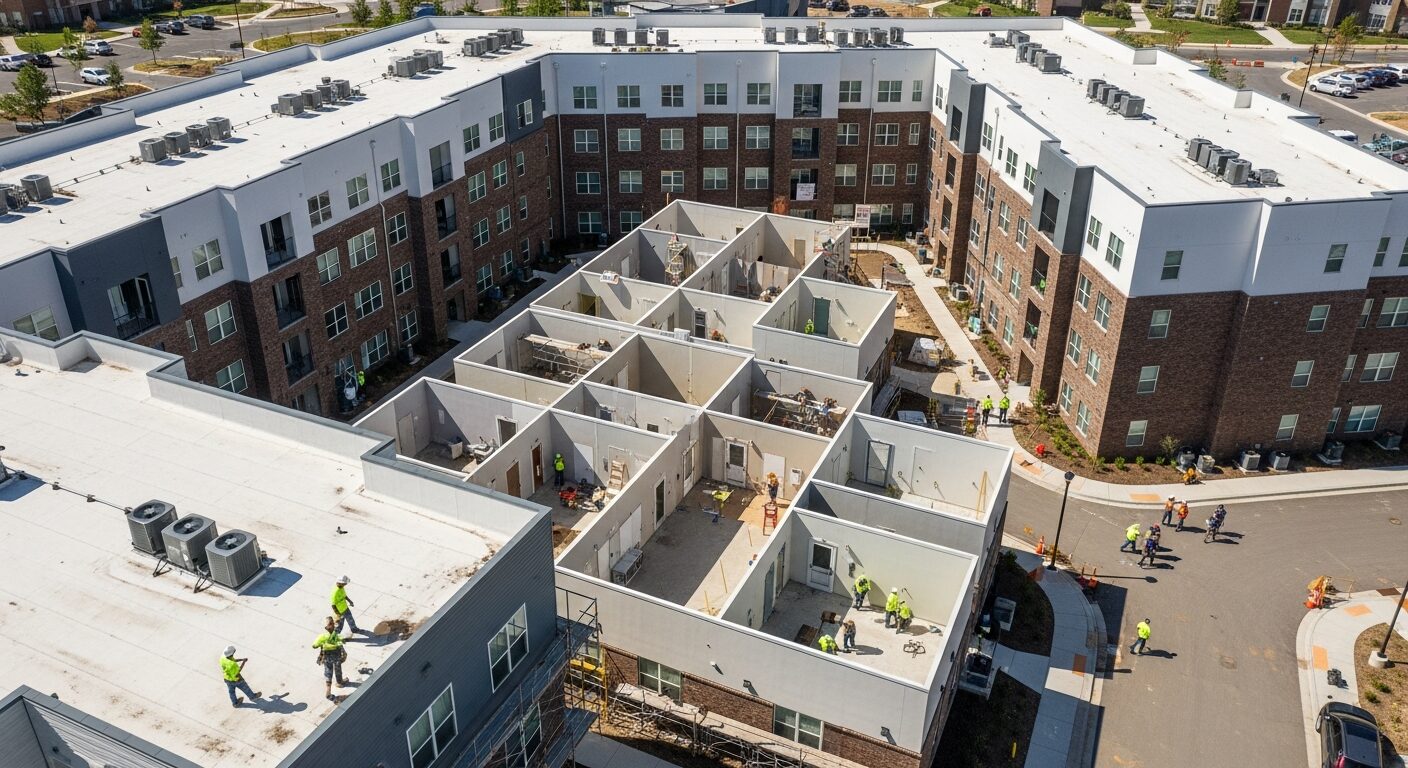
The stakes climb further when you’re managing capital improvements in occupied buildings. Your contractor must:
- Minimize noise and disruption to working tenants
- Maintain building security and access control without compromising service flow
- Coordinate timing with lease expirations and move-outs
- Navigate compliance with building codes, local ordinances (like Arlington’s updated Unified Development Code), and safety standards
- Manage multiple trades working in tight spaces while residents conduct their daily lives
Most general contractors treat occupied construction as just another job. Fort Worth’s specialized firms—particularly veteran-owned companies—bring military-grade discipline to these complex logistics.
Strategic Capital Improvements: From Assessment to Execution
Alder Designs and similar best-in-class construction firms follow a proven four-step process that minimizes surprises and maximizes outcomes:
Step 1: Comprehensive Property Assessment
Begin with a third-party, independent assessment of your property’s capital needs. This isn’t just a visual walk-through; it’s a detailed evaluation of systems (roofing, HVAC, plumbing), structural condition, deferred maintenance, and code compliance gaps.
A professional Property Condition Assessment (PCA) or Capital Needs Assessment (CNA) answers critical questions:
- What fails first if left unaddressed?
- Which improvements generate the highest ROI?
- What hidden liabilities lurk in walls, foundations, or mechanical systems?
For multifamily properties in Fort Worth and Arlington, environmental factors matter too. Understanding local soil conditions, drainage patterns, and climate impacts helps contractors recommend durable solutions.
Step 2: Prioritized Planning and Bid Review
With assessment data in hand, work with your construction partner to:
- Prioritize improvements by urgency, regulatory requirement, and revenue impact
- Bundle projects to reduce disruption and improve contractor efficiency
- Review contractor bids for quality, scope alignment, and realistic timelines
- Evaluate material choices that balance cost, durability, and tenant appeal
This planning phase is where veteran-owned construction firms add tremendous value. Their experience managing complex, phased projects means they spot potential conflicts, code issues, and cost traps before work begins.
Step 3: Execution with Transparent Communication
Once construction starts, daily communication keeps stakeholders aligned:
- Progress updates to owners, property managers, and affected tenants
- Change order transparency when scope or conditions shift (as they often do in older buildings)
- Quality checkpoints before moving to the next phase
- Schedule adherence with built-in buffers for weather or supply delays
Firms operating in occupied environments use staging, noise reduction, and coordinated access strategies to keep tenant satisfaction high and operational disruption low.
Step 4: Final Delivery and Warranty
Professional capital improvement work includes:
- Final inspections against code and project specifications
- Documentation of all work completed and materials installed
- Warranty coverage on labor and materials
- Follow-up maintenance guidance to extend asset life
Real-World Application: Capital Improvements That Work
Consider a 150-unit multifamily property in Arlington facing aging HVAC systems, worn roofing, and dated common areas. A reactive approach—addressing problems as they fail—typically costs 40% more than strategic capital planning.
A proactive alternative:
-
Conduct a PCA identifying the HVAC systems failing within 2–3 years, roof reaching end-of-life in 18 months, and common area finishes driving resident turnover.
-
Bundle the HVAC and roof into a 12-month phased project, sequencing work to avoid simultaneous disruption.
-
Refresh common areas (lobbies, fitness centers, pool areas) during the construction schedule to align marketing with new amenities.
-
Monitor unit turn metrics monthly; modern HVAC systems reduce service calls and improve move-in appeal, typically reducing vacancy by 2–4 percentage points.
Result: Faster rent growth, reduced emergency repairs, improved resident retention, and a property positioned to attract institutional buyers or refinancing at better terms.
How Local Market Dynamics Shape Your Strategy
Fort Worth and Arlington face specific opportunities and constraints that influence capital improvement planning:
Arlington’s Home Improvement Incentive Program offers eligible property owners up to $5,000 in rebates for energy-efficiency upgrades, exterior improvements, and accessibility enhancements. Veteran-owned, local construction firms can help you navigate these programs and bundle improvements with incentive eligibility.
Healthcare Facility Expansion across Arlington (evidenced by Medical City Arlington’s $144 million expansion and Texas Health Resources’ $343 million growth initiatives) signals strong market tailwinds. Senior-living properties in particular benefit from proximity to expanding medical services, making capital improvements a strategic advantage in competitive leasing markets.
Frisco’s development boom and institutional investor appetite are reshaping nearby submarkets—including Arlington. The same capital sources flowing into Frisco are seeking value-add multifamily assets across the Metroplex. Properties that demonstrate modern systems, strong operations, and deferred maintenance reduction become acquisition targets.
Selecting the Right Construction Partner for Capital Improvements
Not all contractors are equipped to manage large-scale capital work while keeping occupied properties operational. Look for:
- Relevant experience in multifamily projects of similar size and complexity in your region
- Certifications and credentials (LEED, energy audits, specialized trade licenses)
- Occupied-space expertise with documented protocols for tenant communication and disruption management
- Transparent communication and responsiveness (24-hour email response standards matter)
- Proven financial stability so the firm completes projects despite market shifts
- Local market knowledge of Fort Worth-Arlington building codes, permit processes, and contractor availability
Veteran-owned firms often bring additional value: military discipline in project management, integrity-driven culture, and team cohesion that translates to fewer disputes and smoother execution.
The Long-Term ROI: Beyond the Renovation Budget
Capital improvements aren’t just expense items—they’re investments with measurable returns:
| Improvement Type | Typical Payback Period | ROI Impact |
|---|---|---|
| Roof replacement (15–20 year lifespan) | 10–12 years | Reduces emergency repairs; improves insurance ratings |
| HVAC system replacement | 5–7 years | Lower utility costs; reduced service calls; tenant satisfaction |
| Exterior/facade refresh | 3–5 years | Faster leasing velocity; higher rent-up rates |
| Common area modernization | 2–4 years | Improved retention; stronger marketing appeal; occupancy gains |
| Energy efficiency upgrades | 4–8 years | Lower operating costs; utility rebates; ESG investor appeal |
For Fort Worth and Arlington multifamily owners, these timelines accelerate when projects align with local market tailwinds—like Arlington’s incentive programs or the region’s growing healthcare infrastructure.
Taking Action: Start with Assessment, Move to Strategic Planning
If you manage multifamily properties in Fort Worth or Arlington, the time to evaluate capital needs is now. Here’s your practical roadmap:
-
Conduct a third-party PCA/CNA if you haven’t in the past three years. Hidden deferred maintenance compounds quickly.
-
Identify your top 5–7 capital priorities by urgency, compliance risk, and revenue impact.
-
Engage a construction partner with proven multifamily experience, transparency standards, and occupied-space expertise for pre-development consulting.
-
Build a 2–3 year capital improvement roadmap that sequences work, minimizes disruption, and captures available incentives (like Arlington’s rebate program).
-
Establish communication protocols before construction starts—weekly updates, change order processes, and issue resolution paths.
Capital improvements done right transform properties into assets that attract quality tenants, retain institutional investor interest, and command premium positioning in competitive Fort Worth and Arlington markets. The firms that understand occupied-space construction, have deep local market knowledge, and combine military-grade discipline with construction expertise become trusted long-term partners—not just contractors.
Your multifamily property’s future isn’t built on reacting to failures. It’s built on strategic planning, transparent partnerships, and the courage to invest in systems and spaces that serve your residents well and generate lasting returns.
0 Comments