
Strategic Phased Renovations for Multi-Family Properties in Austin’s Booming Market
Austin’s multi-family property market is rapidly growing, demanding smart renovation strategies.
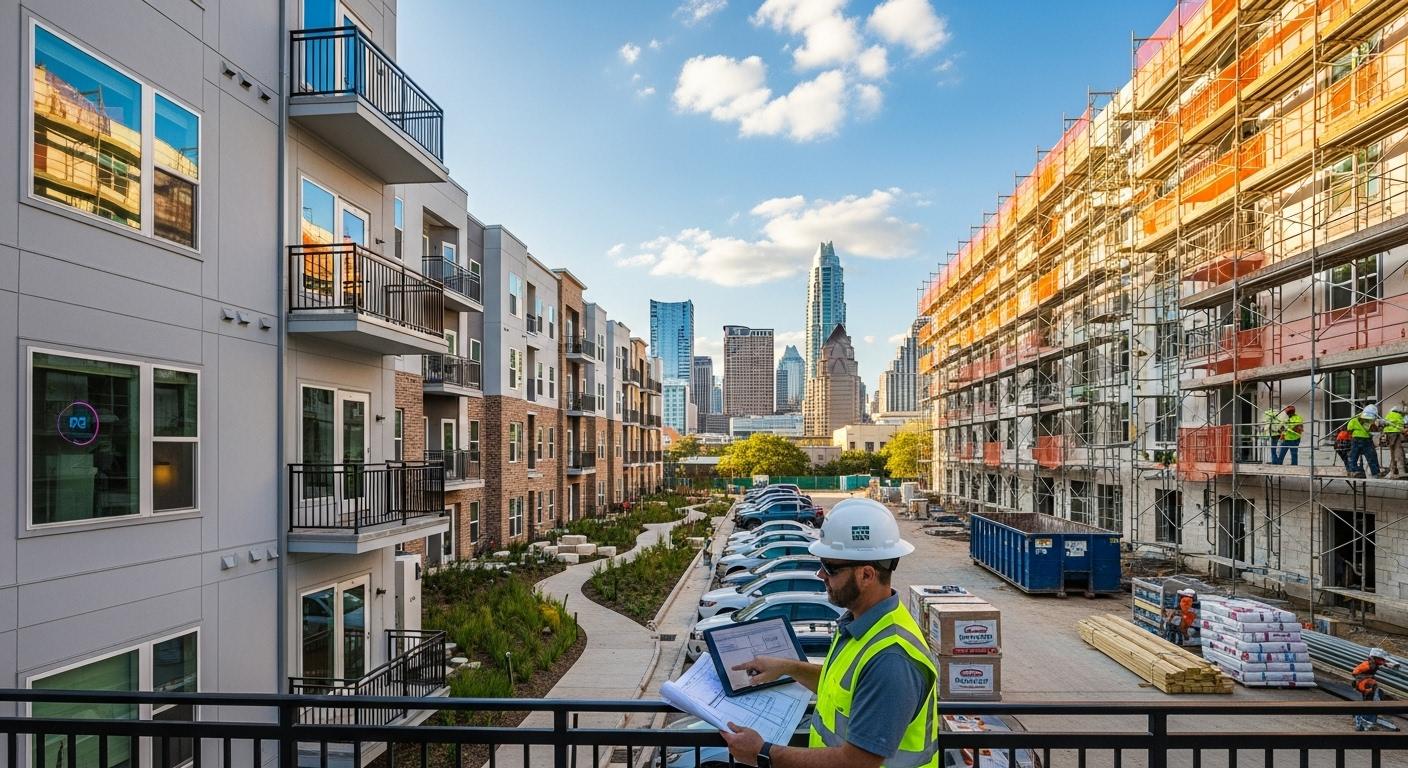
Austin’s multi-family property market is experiencing unprecedented growth, with over $10 billion in construction activity transforming the downtown landscape and surrounding areas. For property owners managing established multi-family complexes, this boom presents both opportunities and challenges. The key lies in executing strategic, phased upgrade projects that enhance property value while maintaining operational continuity and tenant satisfaction.
The Austin Multi-Family Market Boom: Why Now Is the Time to Upgrade
Austin’s construction industry has reached new heights in 2025, with over 7 million square feet of mixed-use development under construction as of March 2025. This surge reflects the city’s continued population and economic growth, driven primarily by the tech sector and substantial investment inflows. For multi-family property owners, this environment creates both competitive pressure and opportunity.
The rapid development of new, amenity-rich properties means older multi-family complexes must evolve to remain competitive. However, unlike new construction, existing properties require a more nuanced approach—one that balances renovation needs with ongoing operations and tenant comfort.
Understanding Phased Renovation: The Smart Approach to Multi-Family Upgrades
Phased renovation strategies allow multi-family property owners to systematically upgrade their properties while maintaining cash flow and minimizing tenant disruption. This approach is particularly crucial in Austin’s competitive rental market, where vacancy rates directly impact revenue potential.
Key Benefits of Phased Multi-Family Upgrades:
- Continuous revenue generation during renovation periods
- Reduced tenant displacement and turnover costs
- Improved cash flow management through staged investments
- Enhanced property value without operational shutdown
- Strategic planning that aligns with lease renewal cycles
Critical Upgrade Areas for Austin Multi-Family Properties
Based on current market trends and tenant expectations in Austin, several upgrade categories deliver the highest return on investment:
Energy Efficiency and HVAC Modernization
Austin’s growing emphasis on sustainability and green building practices makes energy-efficient upgrades a priority. Modern HVAC systems, improved insulation, and energy-efficient appliances not only reduce operating costs but also appeal to environmentally conscious tenants—a significant demographic in Austin’s tech-forward market.
Unit Refresh and Interior Modernization
The rise of smart home technologies and contemporary design expectations requires systematic interior upgrades. This includes updated flooring, modern fixtures, smart thermostats, and improved lighting systems that create the modern living experience today’s renters demand.
Common Area Enhancements
Austin’s community-oriented culture emphasizes shared spaces. Upgrading fitness centers, co-working areas, outdoor spaces, and social amenities helps properties compete with newer developments offering extensive amenity packages.
Structural and Infrastructure Improvements
While less visible, roofing, plumbing, and electrical system upgrades ensure long-term property integrity and prevent costly emergency repairs that can disrupt operations and tenant satisfaction.
Navigating Construction in Occupied Environments
One of the most challenging aspects of multi-family renovations is maintaining operations while construction occurs. This requires specialized expertise in project scheduling, tenant communication, and dust/noise control measures.
Best Practices for Occupied Property Renovations:
- Strategic scheduling around lease cycles and seasonal patterns
- Clear communication protocols with tenants throughout the process
- Dust containment systems to protect occupied units
- Flexible work hours to minimize disruption during peak living hours
- Emergency response plans for unexpected issues
Design-Build Advantages for Multi-Family Projects
Austin’s construction market is increasingly embracing design-build methodologies, particularly for multi-family renovations. This integrated approach offers several advantages for property owners managing phased upgrade projects:
Faster Project Delivery: Design-build teams can overlap design and construction phases, reducing overall project timelines—critical when minimizing tenant disruption.
Improved Cost Management: Single-source responsibility eliminates communication gaps and reduces change order costs that often plague traditional design-bid-build projects.
Enhanced Collaboration: Integrated planning ensures renovation designs account for operational realities and tenant needs from the project’s inception.
Financial Planning for Phased Multi-Family Upgrades
Successful phased renovation requires careful financial planning that balances upgrade costs with revenue maintenance. Property owners should consider several financial factors:
Capital Allocation Strategies
- Priority-based phasing that addresses critical infrastructure first
- Revenue-generating upgrades that justify rent increases
- Seasonal scheduling to maximize occupancy during peak leasing periods
- Financing options that align with cash flow patterns
Return on Investment Considerations
Austin’s strong rental market supports strategic rent increases following quality upgrades. However, these increases must be carefully timed and justified by tangible improvements in tenant experience and property functionality.
The Veteran-Owned Advantage in Multi-Family Construction
Working with veteran-owned construction companies brings unique advantages to multi-family renovation projects. Military-trained professionals understand the importance of precision, discipline, and mission completion—qualities essential for managing complex, occupied property renovations.
Veterans bring proven experience in:
- Complex project coordination under challenging conditions
- Clear communication protocols essential for tenant relations
- Problem-solving skills developed through military service
- Commitment to completion regardless of project complexity
Companies like Alder Designs, operating from the Fort Worth area, exemplify how veteran-owned construction firms apply military discipline and extensive construction expertise to deliver reliable, high-quality results for multi-family property owners throughout Texas.
Technology Integration in Modern Multi-Family Upgrades
Austin’s tech-savvy demographic expects modern technology integration in their living spaces. Phased renovations should incorporate:
Smart Building Systems
- Automated lighting and climate control
- Smart locks and security systems
- High-speed internet infrastructure
- Energy monitoring systems
Building Information Modeling (BIM)
Advanced BIM workflows, increasingly adopted in Austin’s construction industry, help visualize renovation impacts and coordinate complex multi-phase projects while properties remain occupied.
Compliance and Code Considerations for Austin Properties
Austin’s building codes and regulations continue evolving, particularly regarding accessibility, energy efficiency, and safety requirements. Phased renovation projects must ensure compliance with current standards while planning for future regulatory changes.
Key compliance areas include:
- ADA accessibility requirements
- Fire safety system upgrades
- Energy efficiency standards
- Historic preservation guidelines (for older properties)
Workforce and Labor Market Considerations
Austin’s construction industry faces ongoing skilled labor shortages, impacting project scheduling and costs. Property owners planning phased renovations should work with contractors who have established relationships with skilled tradespeople and can guarantee workforce availability throughout multi-phase projects.
Maximizing Tenant Retention During Upgrades
Successful phased renovations require strategies to maintain tenant satisfaction and minimize turnover:
Communication Excellence
- Regular project updates through multiple channels
- Clear timelines for construction activities affecting specific units
- Responsive customer service for construction-related concerns
Incentive Programs
- Temporary rent reductions during particularly disruptive phases
- Priority upgrade scheduling for long-term tenants
- Amenity access alternatives during common area renovations
Seasonal Considerations for Austin Multi-Family Upgrades
Austin’s climate and seasonal rental patterns influence optimal renovation timing:
Spring/Summer: Peak leasing season requires minimal disruption to maximize occupancy
Fall/Winter: Lower tenant turnover periods ideal for more intensive renovations
Weather Considerations: Plan exterior work around Austin’s occasional severe weather patterns
Future-Proofing Multi-Family Properties
Successful phased renovations should anticipate future market trends and tenant expectations:
Sustainability Features
Growing environmental consciousness makes green building features increasingly valuable for property differentiation and operating cost reduction.
Flexible Space Design
Post-pandemic preferences for adaptable living spaces influence renovation planning, emphasizing flexible room configurations and home office capabilities.
Community-Focused Amenities
Austin’s community-oriented culture continues driving demand for shared spaces that foster resident interaction and neighborhood connection.
Choosing the Right Construction Partner
Multi-family phased renovations require construction partners with specific expertise in occupied property management, complex project coordination, and tenant relations. Key selection criteria include:
- Proven experience with multi-family renovations
- Strong communication systems for tenant interaction
- Flexible scheduling capabilities to accommodate operational needs
- Quality craftsmanship that justifies rent increases
- Financial stability to complete multi-phase projects
Conclusion: Strategic Investment in Austin’s Growing Market
Austin’s dynamic multi-family market rewards property owners who strategically invest in phased upgrade projects. By working with experienced construction partners who understand the complexities of occupied property renovations, owners can enhance their properties’ competitive position while maintaining operational continuity and tenant satisfaction.
The key lies in comprehensive planning that balances immediate upgrade needs with long-term market positioning. In Austin’s rapidly evolving real estate landscape, well-executed phased renovations don’t just maintain property value—they create competitive advantages that drive sustained profitability and tenant loyalty.
For multi-family property owners ready to capitalize on Austin’s continued growth, the time for strategic phased upgrades is now. The combination of strong market fundamentals, tenant demand for modern amenities, and available construction expertise creates an ideal environment for value-enhancing renovation investments.