
I need to retrieve the specific information from the previous workflow steps to generate your blog post. Let me gather the details now.
Senior Living Renovations: How Property Managers in Frisco Are Upgrading Facilities for Better Resident Care
The senior living industry across the Frisco area is experiencing unprecedented growth, with property managers tasked with keeping communities modern, safe, and appealing to residents and families alike. If you manage a senior living facility—whether independent or assisted living—you know that renovations in occupied environments require precision, respect for your residents’ daily routines, and partners who understand the complexities of construction in healthcare settings.
Across North Texas, from Frisco to the surrounding DFW suburbs, senior living facilities are undergoing significant upgrades and capital improvements. The demand for these renovations reflects a fundamental shift: residents and their families expect modern amenities, energy-efficient systems, and spaces that feel fresh and inviting. Yet achieving these upgrades while maintaining occupancy and operational continuity remains one of the biggest challenges facility managers face.
Understanding the Senior Living Renovation Boom in North Texas
The DFW region, particularly areas like Frisco and Fort Worth, has become a hotbed for senior living modernization. Recent activity among contractors showcases a clear trend: senior communities throughout Texas are leading the way on upgrades, from refreshed common areas to improved accessibility and energy-efficient systems. This isn’t a trend that’s slowing down—it’s accelerating.
Why now? Several factors drive this wave:
- Increased competition among senior living communities means facility upgrades directly impact occupancy rates and resident satisfaction
- Building codes and accessibility standards continue to evolve, requiring compliance renovations
- Family expectations have shifted; today’s residents and their adult children expect modern, well-maintained spaces
- Operational efficiency improvements in HVAC, plumbing, and roofing systems reduce long-term maintenance costs
- Capital improvement cycles mean many facilities built 15-20 years ago are now due for significant refreshes
For property managers in Frisco and surrounding areas, the question isn’t whether you need renovations—it’s how to execute them without disrupting resident life and operations.
The Challenge of Renovations in Occupied Environments
Construction in senior living facilities is fundamentally different from ground-up builds or standard commercial projects. Your residents aren’t temporary inconveniences; they’re people with daily routines, medical needs, and legitimate expectations of safety and quiet.
The core challenges include:
- Minimizing disruption to resident schedules, meal times, and activities
- Maintaining health and safety standards during active construction
- Managing noise and dust in sensitive healthcare environments
- Coordinating phased work so renovation happens room-by-room or building-by-building while keeping the facility operational
- Ensuring clear communication with residents and families about timelines and impacts
- Keeping projects on budget despite the complexity of occupied-space construction
Many facility managers attempt to juggle these challenges themselves, hiring contractors who specialize in speed rather than sensitivity. The result? Disrupted residents, over-budget projects, and facilities that don’t fully realize their potential.
What a Professional Approach to Senior Living Renovations Looks Like
A contractor experienced in senior living renovations brings more than just tools and crews. They bring structure, discipline, and an understanding of healthcare environments.
A professional team will:
1. Conduct a thorough property assessment before work begins. This isn’t just a walk-through. A Capital Needs Assessment (CNA) or Property Condition Assessment (PCA) identifies all deferred maintenance, code compliance issues, and safety concerns. You get a prioritized roadmap of what needs fixing, in what order, and why.
2. Build a realistic project plan that acknowledges occupancy constraints. This means identifying which areas can be worked on simultaneously without impacting operations, how to protect residents from noise and dust, and where temporary relocations might be necessary.
3. Commit to transparent communication. Residents and their families should know what’s happening, when, and how it affects them. A good contractor keeps everyone informed and responds to concerns professionally.
4. Execute with military discipline. Construction in occupied environments demands precision—showing up on time, keeping sites organized, managing waste properly, and sticking to agreed-upon working hours. Veteran-owned construction firms often bring this operational rigor naturally.
5. Focus on quality without compromise. Fast construction and quality construction rarely go together. Your residents will live with the results for years. Shortcuts in materials, installation, or craftsmanship create long-term problems.
Common Senior Living Renovation Projects in Frisco and North Texas
Facility managers typically prioritize renovations in these areas:
Room Turns and Unit Refreshes. When a resident leaves, quick turnarounds maximize occupancy and minimize revenue loss. This includes painting, flooring, fixture updates, and appliance replacement.
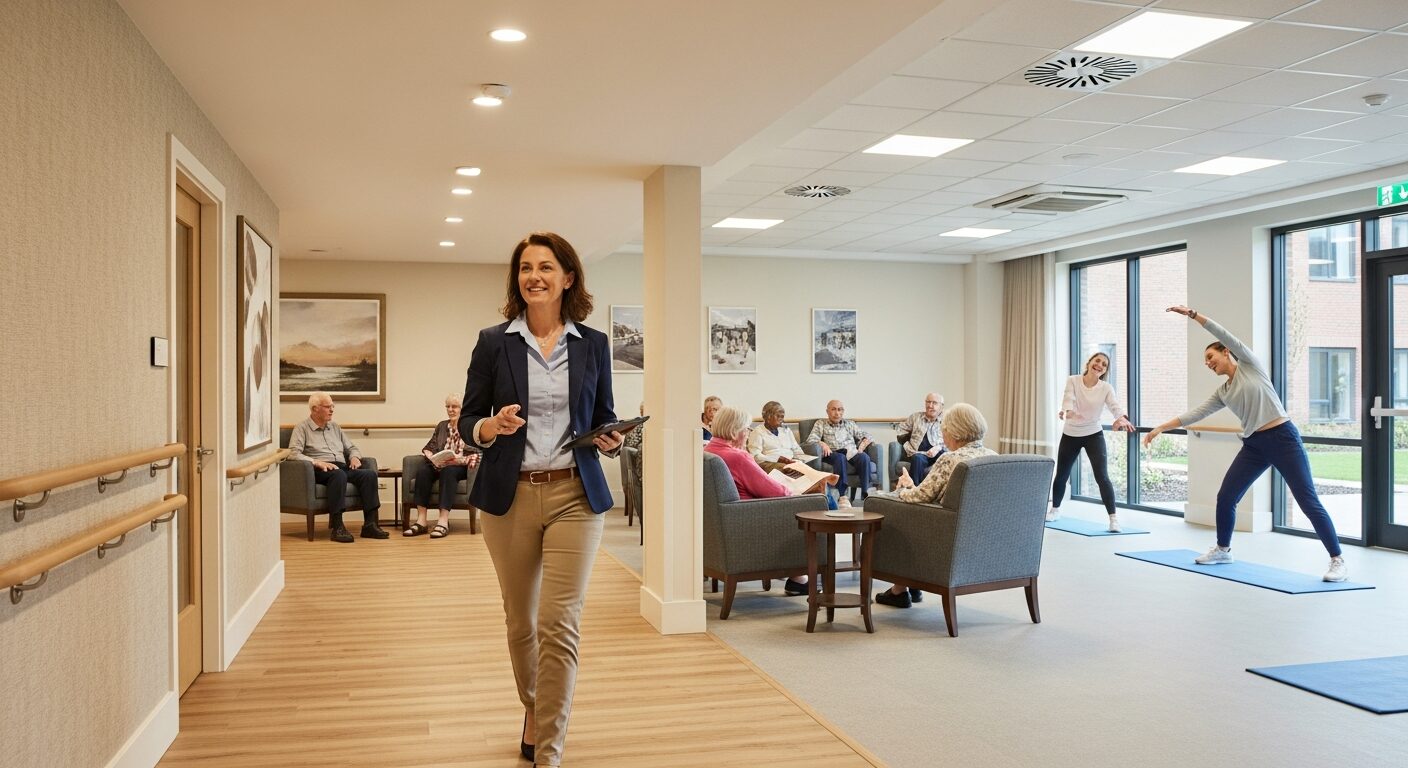
Common Areas and Amenity Spaces. Dining areas, activity rooms, lounges, and outdoor spaces set the tone for resident satisfaction. Modern, accessible, well-lit common areas improve quality of life and facility appeal.
Accessibility Upgrades. Grab bars, widened doorways, accessible bathrooms, and emergency call systems ensure aging residents can move safely through the facility.
HVAC and Mechanical Systems. Aging HVAC systems fail at the worst times. Upgrades improve resident comfort, reduce energy costs, and prevent emergency shutdowns.
Roofing and Weatherproofing. Leaks don’t announce themselves politely. Proactive roof replacement and waterproofing prevent catastrophic water damage during Texas storms.
Plumbing and Water Systems. Aging plumbing corrodes, water pressure drops, and leaks develop. Modern plumbing ensures reliable systems and reduces emergency maintenance costs.
Electrical and Safety System Upgrades. Code-compliant electrical work, updated fire suppression systems, and modern emergency lighting protect residents and keep your facility compliant.
How Independent Assessments Strengthen Your Decision-Making
One practice that sets exceptional facility managers apart is commissioning third-party assessments before major renovation projects. These independent evaluations—conducted by professionals with no financial stake in the project—provide objective findings and recommendations.
An independent Property Condition Assessment gives you:
- Detailed documentation of current facility condition
- Professional prioritization of renovation needs
- Objective evidence for board discussions and budget planning
- Leverage when negotiating contractor bids (contractors can see exactly what you know)
- Protection against overlooking critical issues
When you can show contractors a comprehensive, third-party assessment, you’re no longer relying on their recommendations alone. You’re negotiating from a position of knowledge, which leads to better bids, better scope clarity, and fewer surprises mid-project.
Building Partnerships With Renovation Contractors Who Get Senior Living
Not all construction firms understand senior living. Some think of it as just another job site. The best ones recognize that senior living renovations require:
- Respect for residents as stakeholders, not obstacles
- Experience working in occupied, sensitive environments
- Clear processes for assessment, planning, execution, and delivery
- Proven ability to deliver on time and within budget
- Transparency about what will and won’t be done, and why
- Follow-up to ensure long-term quality and durability
When you’re evaluating contractors, ask about their experience with senior living specifically. Request references from facility managers in Frisco and the DFW area who’ve used them. Understand their process for managing occupied-space construction. Verify they carry appropriate insurance and licensing.
A quality contractor will welcome these questions because they’re confident in their track record.
The Strategic Advantage of Phased Renovations
Rather than attempting massive, disruptive facility-wide renovations, smart property managers use a phased approach. This might mean:
- Year 1: Common areas, dining, and activity spaces
- Year 2: One wing of resident rooms and mechanical upgrades
- Year 3: Another section, plus HVAC or roofing work
- Ongoing: Room turns and targeted maintenance
A phased approach:
- Spreads capital costs across budgets and fiscal years
- Maintains full occupancy by limiting disruption
- Allows you to evaluate results and adjust priorities based on what you learn
- Keeps operations smooth without facility-wide disruption
- Reduces contractor coordination complexity by breaking work into manageable pieces
Contractors experienced in this approach can help you sequence work strategically, ensuring maximum impact with minimum disruption.
Evaluating Contractor Bids for Senior Living Projects
When you receive contractor bids for senior living renovations, look beyond price. Cheap isn’t valuable if the work is sloppy or delayed. Instead, evaluate:
Scope Clarity. Does the bid clearly define what will and won’t be included? Are materials specified? Are timelines realistic?
Occupied-Space Experience. How many senior living projects have they completed? Can they explain their process for managing resident disruption?
Insurance and Licensing. Are they properly licensed in Texas? Do they carry general liability, workers’ compensation, and appropriate coverage limits?
Communication Plan. How will they keep you and residents informed? What’s their response time for questions or issues?
Quality Standards. What warranties do they offer? How do they ensure craftsmanship meets standards?
Timeline Realism. Aggressive timelines often mean shortcuts. Does their schedule feel achievable given the occupied-space constraints?
A contractor willing to invest time in understanding your facility, your residents, and your specific needs is more likely to deliver a successful project than one offering a quick bid and faster timeline.
The Bottom Line: Your Residents Deserve Better Than Standard Construction
Senior living renovations in Frisco and North Texas aren’t a commodity service. They’re a reflection of your commitment to resident care, safety, and satisfaction. A facility with modern, well-maintained spaces and updated systems is more attractive to residents and their families, easier to staff, and more enjoyable to manage.
The contractors who understand this bring expertise, respect, and discipline to every project. They recognize that renovations in occupied senior living environments require different skills than standard commercial construction. They communicate clearly, execute professionally, and deliver results that improve resident life.
If your senior living facility is overdue for renovations, start with an independent assessment. Let objective professionals document your facility’s condition and needs. Then partner with experienced contractors who’ve proven their ability to manage construction in occupied healthcare environments. Your residents will notice the difference, and so will your bottom line.
0 Comments