
I need to retrieve the specific details from the previous steps to create your blog post. Let me gather that information now.
Senior Living Community Renovations: Phased Upgrades Without Losing Occupancy
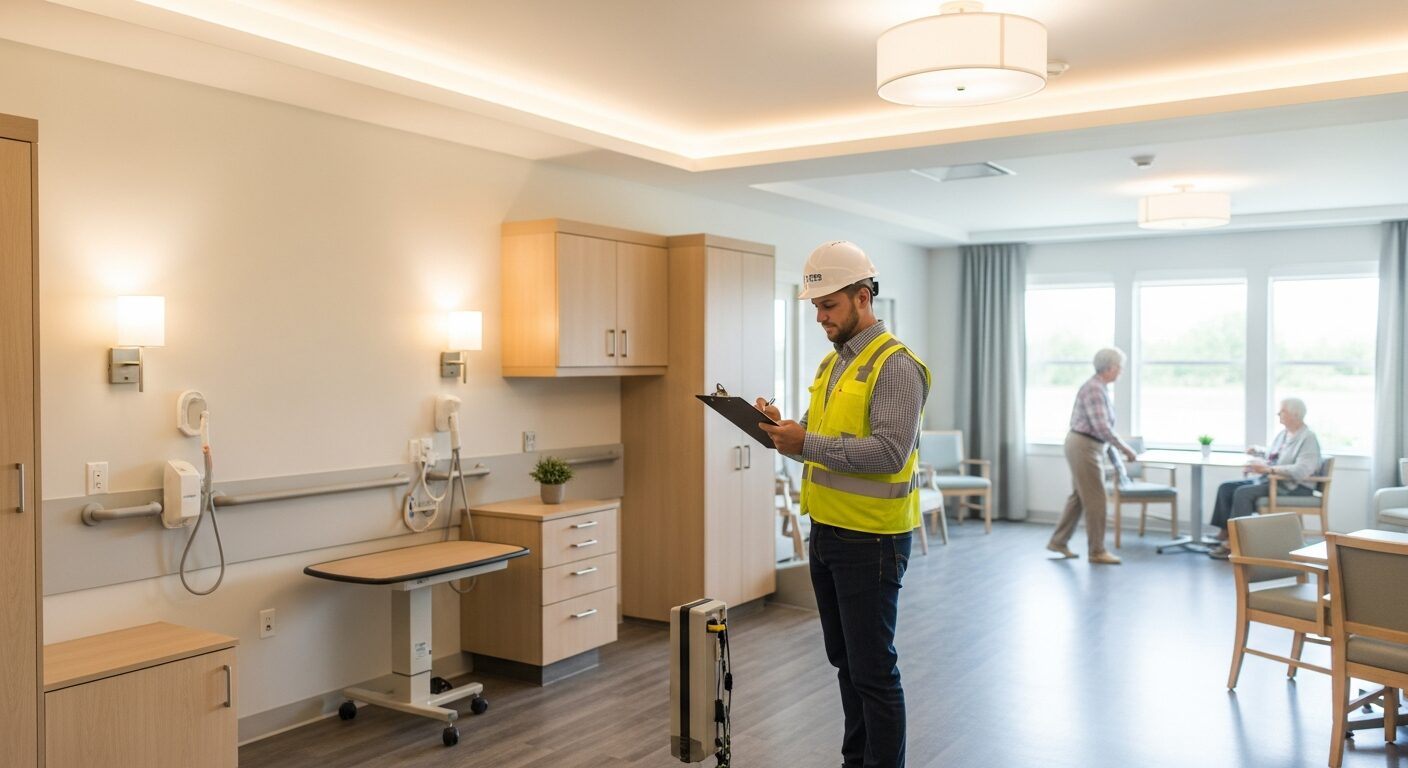
Senior living facilities face a unique challenge: how to modernize aging infrastructure and upgrade resident spaces without disrupting daily operations or forcing move-outs. A recent surge in renovation activity across the DFW region shows that the best operators are choosing a strategic, phased approach to capital improvements—one that keeps residents in place while systematically upgrading everything from HVAC systems to common areas.
If you manage a senior living community in Frisco or the greater Dallas-Fort Worth area, the question isn’t whether to renovate—it’s how to do it smartly.
Why Senior Living Communities Need Strategic Renovations Now
The senior living industry is facing mounting pressure to upgrade. Aging building systems fail unexpectedly. Competition for residents intensifies. Regulatory requirements around ADA compliance, safety codes, and emergency systems keep evolving. At the same time, prospective residents and their families increasingly expect modern amenities and reliable infrastructure.
The cost of not renovating often exceeds the cost of doing it right. Deferred maintenance compounds. Move-out rates climb as communities fall behind competitors. Insurance claims spike. Emergency repairs balloon budgets and create operational chaos.
The real opportunity lies in positioning renovations as a strategic advantage—a way to attract and retain residents, reduce long-term costs, and meet safety standards all at once.
The Four-Step Renovation Process That Keeps Communities Running
Phased, low-disruption renovations require a disciplined framework. Here’s the proven approach that experienced construction partners use in occupied senior living environments:
1. Assessment: Know What You Have
Before spending a dollar, conduct a thorough Property Condition Assessment (PCA) and Capital Needs Assessment (CNA). These certified evaluations identify:
- Structural and safety concerns that demand priority
- Systems nearing end-of-life (HVAC, plumbing, electrical)
- ADA compliance gaps and accessibility improvements
- Energy efficiency opportunities
- Code violations that could trigger citations
This phase takes 2–4 weeks and costs far less than emergency repairs or regulatory fines. It also gives you a clear roadmap for phasing—what must happen first, what can wait, and where you’ll gain the biggest returns.
2. Planning: Design for Occupancy
The difference between a renovation that works and one that doesn’t is in the planning. Your design and construction team must:
- Sequence work so residents stay in their rooms or communities remain operational
- Identify temporary utility reroutes and isolation strategies
- Plan weekend or evening work windows where feasible
- Communicate clearly with residents and families about timelines
- Build in contingency for occupied-building unknowns
This isn’t standard commercial construction. It requires builders and architects who understand healthcare environments and the real constraints of keeping seniors safe and comfortable during work.
3. Execution: Disciplined Phased Work
Phased execution typically rolls out in quarters or zones:
- Room Turns: Upgrade resident suites one at a time or by wing, with portable HVAC and temporary utilities where needed
- Common Area Upgrades: Renovate dining, activity, and lounging spaces during hours when residents can be safely relocated to other areas
- Infrastructure Work: Replace HVAC, plumbing, and electrical in phases, ensuring redundancy and 24/7 operation
- Exterior & Structural: Address roofing, siding, parking, and walkways with minimal impact on interior operations
The key is transparent communication with residents and staff. Weekly updates, predictable schedules, and responsive crews build trust and reduce anxiety.
4. Delivery & Verification
Once construction finishes, third-party inspections verify that work meets code, specifications, and quality standards. Your construction partner should provide:
- Certified inspections at key milestones
- Final compliance documentation
- Warranty details and ongoing support
- Lessons learned and as-built records for future maintenance
This final step protects you from punch-list surprises and ensures occupants inherit a properly built, documented asset.
What Renovations Should Prioritize in Senior Living Communities
Not all upgrades are equal. Here’s where communities are seeing the best returns:
Room Renovations
Modern, safe, accessible suites with updated flooring, lighting, plumbing, and emergency call systems. Residents notice the difference immediately, and families compare room quality when choosing communities.
HVAC & Temperature Control
Aging systems fail without warning. Modern, zone-controlled HVAC keeps residents comfortable and reduces energy waste. Phased replacement—one area or building at a time—keeps the community comfortable year-round.
ADA Compliance & Accessibility
Grab bars, accessible bathrooms, wider doorways, and accessible common areas aren’t optional. They’re both a regulatory requirement and a competitive advantage as the population ages.
Common Area Upgrades
Dining spaces, activity centers, lounges, and outdoor gathering areas influence how residents experience community. Refreshed spaces signal care and investment.
Emergency & Safety Systems
Updated fire systems, emergency lighting, medical gas lines, and communication systems ensure compliance and protect lives.
Energy Efficiency
LED lighting, insulation upgrades, and efficient HVAC reduce operating costs over time—savings that compound year after year.
How to Minimize Disruption While Maximizing Results
The hallmark of a professional renovation in an occupied senior living community is low disruption. Here’s how experienced operators do it:
Schedule Strategically: Work nights, weekends, or during times when residents are occupied elsewhere. Avoid peak meal times or activity schedules.
Isolate Work Zones: Use temporary barriers, portable HVAC, and separate utilities to contain noise, dust, and odors to limited areas.
Communicate Proactively: Send weekly updates. Host resident meetings. Listen to concerns. A resident who understands the timeline feels respected, not disrupted.
Use Local, Experienced Partners: Construction teams who specialize in occupied senior environments know how to work safely around residents with mobility limitations, cognitive changes, and health vulnerabilities.
Plan for the Unexpected: Occupied buildings always have surprises—hidden structural issues, outdated utilities, asbestos, or unknown conditions behind walls. Build contingency into timelines and budgets.
Monitor Quality in Real Time: Don’t wait for final inspection to discover problems. Weekly walk-throughs and third-party inspections catch issues while they’re still fixable.
Real-World Example: A Phased HVAC & Room Renovation
Consider a 120-bed senior living community in Frisco with 20-year-old HVAC and tired resident suites. A rush renovation would displace residents and cost far more. Instead:
Phase 1 (Q1): Replace HVAC in Building A (30 units) and update 10 resident suites in Building B. Portable units keep temperature stable. Work happens 7 a.m.–3 p.m. Monday–Friday.
Phase 2 (Q2): Complete Building B suite upgrades and begin Building C HVAC work. Economies of scale reduce per-unit costs.
Phase 3 (Q3): Finish Building C, update common areas, and address exterior parking lot.
Phase 4 (Q4): Final inspections, punch-list work, documentation, and resident celebration of the new community.
Over 12 months, residents never leave. Staff never loses continuity. And the community emerges with 21st-century systems and spaces.
Partnering With the Right Construction Team
Not all construction firms understand senior living. Many approach it like commercial office work—fast, loud, and disruptive. That’s a recipe for resident anxiety, health risks, and reputation damage.
Look for a partner who:
- Has proven experience in occupied senior living, hospitality, and healthcare environments
- Provides certified assessments (PCA, CNA) to guide your strategy
- Offers transparent, flat-fee quotes with no hidden change orders
- Works on budget and on schedule, even in complex, phased scenarios
- Communicates clearly and responds quickly to questions
- Has deep roots in your market and understands local contractors, material availability, and codes
- Stands behind their work with warranties and post-project support
A veteran-owned construction firm serving Fort Worth and the DFW region with 70+ years of combined expertise can manage the complexity of occupied-environment renovations while your leadership focuses on resident care and community operations.
The Long-Term Math: Why Phased Renovation Pays Off
Phased renovations cost slightly more upfront than lump-sum projects (due to extended management and coordination), but the payoff is enormous:
- Zero resident displacement means zero lost revenue from move-outs
- Maintained occupancy protects cash flow during construction
- Predictable budgets prevent surprise costs
- Quality catches issues early rather than discovering problems after move-in
- Resident satisfaction increases (and bad reviews don’t happen)
- Regulatory compliance is built in, not patched later
- Energy savings compound for years
- Competitive positioning improves as the community becomes more desirable
For a 120-bed community with $5,000 average monthly rent, maintaining occupancy during a year-long renovation protects roughly $7.2 million in revenue. That single factor justifies the phased approach.
Getting Started: Your Action Plan
If you operate a senior living community in Frisco or the DFW area and know your systems are aging, here’s how to move forward:
- Request a free Property Condition Assessment from a firm experienced in senior living. It costs nothing and gives you clarity.
- Build a prioritized improvement list based on the PCA findings. Know what’s urgent, what’s important, and what’s optional.
- Interview construction partners who specialize in phased work in occupied environments. Ask for references from other senior living operators.
- Define success metrics: occupancy maintained, timeline met, budget controlled, quality verified, residents happy.
- Plan the first phase conservatively. Build confidence. Then scale up.
Senior living communities that embrace strategic, phased renovation don’t just extend asset life—they enhance the resident experience, reduce long-term costs, and strengthen competitive position. The question isn’t whether to renovate. It’s whether to do it with a partner who understands your mission and your constraints.
0 Comments