
Dallas Construction Boom 2025: Strategic Multi-Family Property Upgrades to Maximize ROI
Dallas ranks #2 nationally in new construction home builder permits for 2025, fueling a vibrant multi-family market.
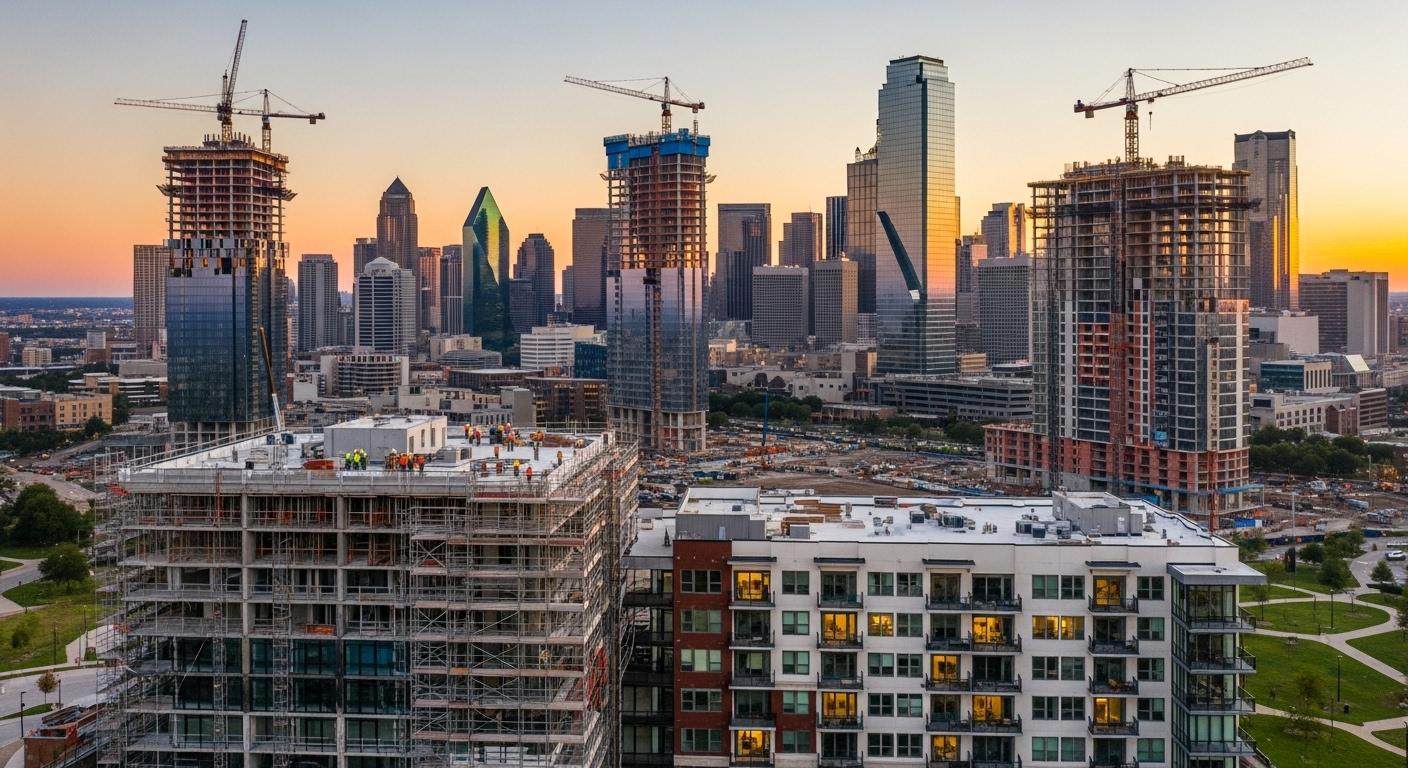
The Dallas-Fort Worth metroplex is experiencing unprecedented growth in construction activity, with Dallas ranking #2 nationally for new construction home builder permits in 2025. For multi-family property owners, this construction surge presents both opportunities and challenges—particularly when it comes to strategic property upgrades that can maximize value while minimizing tenant disruption.
The Dallas Multi-Family Market Landscape
Dallas continues to lead Texas in residential construction growth, with a remarkable 20% year-over-year increase in building permits. This robust activity reflects the city’s economic vitality and growing population, creating increased demand for quality multi-family housing options. However, with new construction setting higher standards, existing property owners must consider strategic upgrades to remain competitive.
The current market conditions favor property owners who can execute phased upgrade projects effectively. Unlike new construction, renovation work in occupied environments requires specialized expertise to maintain operational continuity while delivering meaningful improvements.
Why Phased Upgrades Make Financial Sense
Maximizing Occupancy During Improvements
Traditional large-scale renovations often require displacing tenants, leading to significant revenue loss. However, phased upgrade approaches allow property owners to:
- Maintain rental income from unaffected units
- Reduce tenant turnover and associated costs
- Minimize marketing expenses for vacant units
- Spread capital expenditures over manageable timeframes
Meeting Rising Tenant Expectations
With Dallas’s construction boom raising the bar for housing quality, tenants increasingly expect modern amenities and updated finishes. Strategic upgrades in areas like kitchens, bathrooms, and common spaces can justify higher rents while improving tenant satisfaction and retention.
Current Construction Trends Impacting Multi-Family Properties
Infrastructure and Technology Upgrades
The AI boom driving hyperscale data center construction in Dallas-Fort Worth is creating ripple effects throughout the real estate market. Tenants increasingly expect high-speed internet infrastructure and smart home features, making technology upgrades essential for competitive positioning.
Energy Efficiency and Sustainability
Rising construction material costs—which have accelerated again in 2025—are making energy-efficient upgrades more attractive. HVAC improvements, upgraded insulation, and efficient lighting systems not only reduce operating costs but also appeal to environmentally conscious tenants.
Enhanced Safety and Accessibility Features
Recent regulatory changes and tenant preferences are driving demand for improved safety features and accessibility upgrades. These improvements often require careful planning to implement without disrupting daily operations.
Strategic Phased Upgrade Planning
Assessment and Planning Phase
Successful multi-family upgrades begin with comprehensive property condition assessments. Understanding current conditions, identifying priority areas, and developing realistic timelines ensures projects stay on budget and schedule while minimizing tenant disruption.
Unit-by-Unit Renovations
The most effective approach for occupied multi-family properties involves renovating units during natural turnover periods. This strategy allows for:
- Complete kitchen and bathroom updates
- Flooring replacement and fresh paint
- Fixture and appliance upgrades
- Electrical and plumbing improvements
Common Area Enhancements
While individual units generate rental income, common areas create lasting impressions and influence tenant satisfaction. Phased approaches to lobby renovations, fitness center updates, and outdoor space improvements can significantly impact property appeal.
Infrastructure Improvements
Critical systems like roofing, HVAC, and plumbing often require phased approaches to avoid disrupting multiple units simultaneously. Professional project management ensures these essential upgrades occur with minimal impact on residents.
Navigating Dallas Construction Market Challenges
Material Cost Management
With nonresidential construction material costs continuing to accelerate in Dallas, property owners need partners who maintain strong supplier relationships and can provide transparent budgeting throughout project phases.
Workforce and Scheduling
The Dallas construction market’s strength means qualified contractors are in high demand. Military veteran-led construction teams often bring the discipline and reliability needed for complex phased projects in occupied environments.
Permit and Compliance Navigation
Dallas’s growing construction activity means permitting processes require careful navigation. Experienced local contractors understand current requirements and can expedite approvals for renovation work.
Maximizing Return on Investment
Targeted Improvements with Highest Impact
Strategic upgrades focus on areas that provide the greatest return on investment:
- Kitchen updates that modernize layouts and appliances
- Bathroom renovations with contemporary fixtures and finishes
- Energy-efficient improvements that reduce operating costs
- Technology infrastructure supporting modern connectivity needs
Timing Considerations
The current Dallas construction boom creates both urgency and opportunity. Property owners who act now can complete upgrades before competition intensifies further, while also taking advantage of established contractor relationships before demand peaks.
Professional Project Management for Multi-Family Upgrades
Construction in Occupied Environments
Successfully managing construction work while maintaining tenant satisfaction requires specialized expertise. Professional construction management teams understand how to:
- Minimize noise and disruption during business hours
- Coordinate with property management teams
- Maintain clear communication with residents
- Ensure safety protocols in shared spaces
Transparent Communication and Budgeting
Multi-family property owners need partners who provide clear project timelines, regular progress updates, and transparent budgeting. This approach helps maintain positive tenant relationships while ensuring projects stay on track financially.
The Fort Worth Advantage for Dallas Property Owners
While Dallas leads in construction permit activity, the broader DFW region offers advantages for property owners seeking construction services. Fort Worth-based construction teams often provide more personalized service while maintaining easy access to Dallas properties. This proximity allows for better project oversight and faster response times when issues arise.
Future-Proofing Your Multi-Family Investment
Anticipating Market Trends
Dallas’s continued growth means property owners should consider upgrades that position their buildings for long-term success. This includes infrastructure capable of supporting future technology needs and flexible spaces that can adapt to changing tenant preferences.
Building Maintenance and Capital Planning
Successful multi-family property owners view upgrades as part of ongoing capital improvement strategies rather than reactive maintenance. This approach helps prevent major system failures while maintaining competitive positioning in Dallas’s dynamic rental market.
Conclusion
Dallas’s construction boom creates both opportunities and challenges for multi-family property owners. Those who embrace strategic phased upgrade approaches can maintain competitive properties while minimizing disruption to operations and tenant satisfaction.
The key to success lies in partnering with experienced construction management teams who understand the unique challenges of working in occupied environments. With Dallas continuing to lead Texas in construction growth and population expansion, property owners who invest in strategic upgrades now will be best positioned to capitalize on the region’s continued prosperity.
For multi-family property owners considering upgrades, the current market conditions favor those who can execute projects professionally, transparently, and with minimal disruption to daily operations. The combination of growing tenant expectations, rising construction standards, and continued Dallas market growth makes strategic property improvements not just advisable—but essential for long-term success.