
McKinney’s Construction Boom: Renovation Opportunities for Senior Living Communities
McKinney, Texas is undergoing major infrastructure growth, offering senior living communities prime opportunities for renovations.
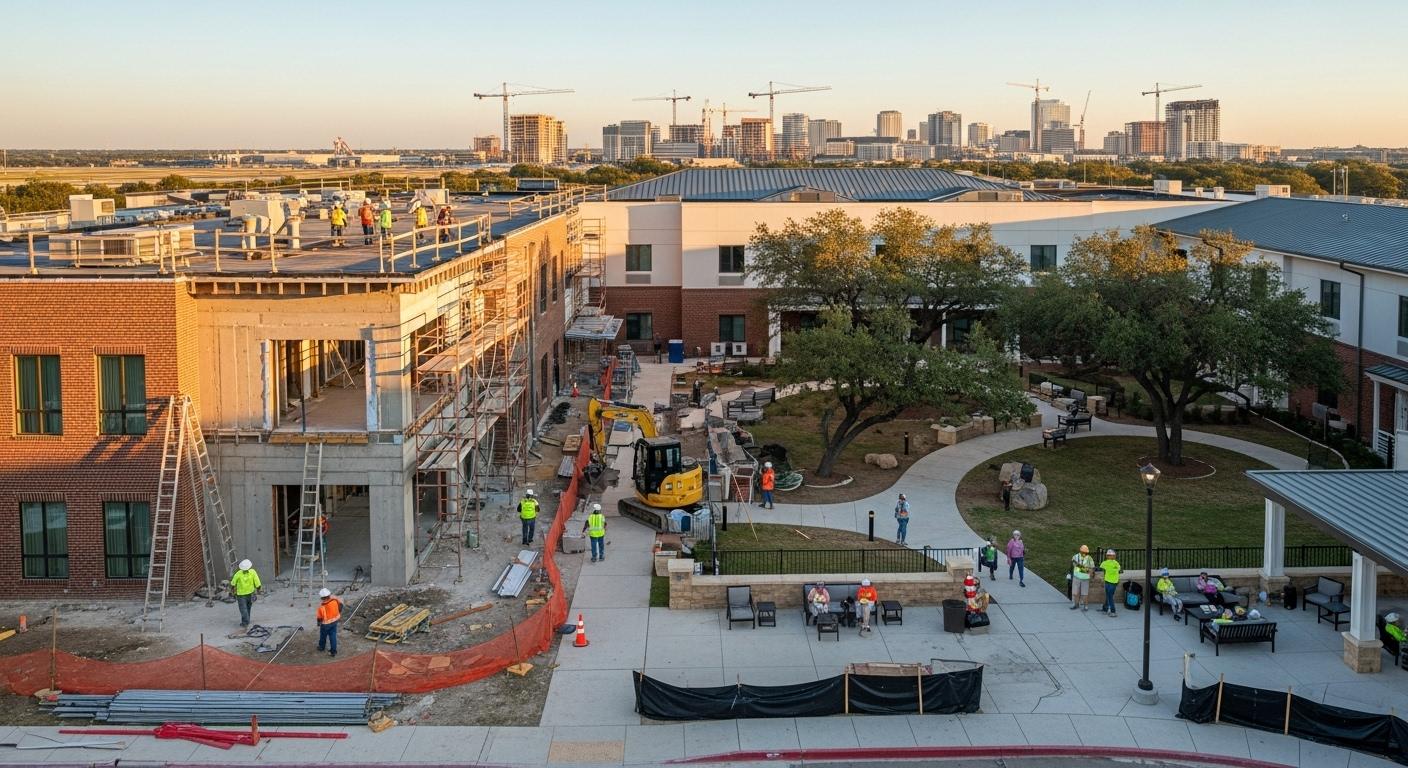
McKinney, Texas is experiencing unprecedented growth, with major infrastructure projects and development initiatives transforming the city into one of North Texas’s premier destinations. For senior living community operators, this surge in construction activity presents unique opportunities to renovate and upgrade facilities while leveraging the expertise of experienced contractors who understand the complexities of operating in occupied environments.
McKinney’s Infrastructure Revolution Creates Construction Opportunities
The groundbreaking of McKinney National Airport’s new $79 million passenger terminal marks a pivotal moment for the city’s development trajectory. This 46,000-square-foot facility, designed to serve over 200,000 passengers annually by late 2026, signals McKinney’s commitment to becoming a major regional hub. The project, undertaken by Swinerton and Garver, demonstrates the caliber of construction expertise now operating in the area.
This infrastructure boom extends beyond aviation. The Texas Department of Transportation’s Spur 399 project, part of the broader US 380 corridor improvements, will enhance mobility and reduce congestion throughout McKinney and Collin County. These developments create an environment where skilled construction professionals are readily available and competition drives innovation in project delivery.
Why Senior Living Communities Should Act Now
The 2025 Texas construction industry forecast indicates continuing vitality across the Dallas-Fort Worth market, with McKinney specifically noted for high activity in commercial and residential projects. For senior living operators, this presents both opportunities and challenges:
Advantages of the Current Market:
- Access to experienced contractors familiar with complex, occupied environment projects
- Competitive pricing as contractors seek diverse project portfolios
- Availability of specialized trades and materials due to increased regional activity
- Enhanced infrastructure supporting material delivery and worker access
Market Timing Considerations:
- Construction costs may increase as demand peaks
- Scheduling windows may become more competitive
- Quality contractors are securing longer-term commitments
Navigating Renovations in Occupied Senior Living Environments
Senior living facility renovations require specialized expertise that goes far beyond traditional construction. Successful projects demand contractors who understand the unique challenges of working around vulnerable populations while maintaining operational continuity.
Critical Success Factors for Senior Living Renovations
Infection Control and Safety Protocols: Every aspect of construction must consider resident health and safety. This includes dust containment systems, noise management during sensitive hours, and coordination with facility medical staff.
Phased Construction Approaches: Rather than wholesale facility shutdowns, experienced contractors implement strategic phasing that allows communities to maintain occupancy levels while systematically upgrading different areas.
Compliance and Regulatory Expertise: Senior living facilities must meet stringent state and federal regulations. Renovation contractors must understand these requirements and ensure all work maintains or enhances compliance status.
Resident Communication and Comfort: Successful projects include comprehensive resident communication plans and temporary accommodation strategies that minimize disruption to daily routines and social activities.
Strategic Renovation Priorities for 2025
Based on current market conditions and regulatory trends, senior living communities should prioritize renovations that enhance both resident experience and operational efficiency:
Infrastructure Modernization
McKinney’s development boom demonstrates the importance of robust infrastructure. Senior living communities can benefit from:
- HVAC system upgrades for improved air quality and energy efficiency
- Electrical system modernization to support technology integration and safety systems
- Plumbing infrastructure improvements to prevent disruptions and reduce maintenance costs
Capital Improvements with Immediate Impact
- Room refresh and unit upgrade programs that can be completed quickly with minimal resident displacement
- Common area renovations that enhance the community’s appeal and functionality
- Accessibility improvements that future-proof facilities against changing regulations
Technology Integration Projects
Modern senior living requires seamless technology integration:
- Smart building systems for enhanced security and environmental control
- Communication infrastructure upgrades to support telehealth and family connectivity
- Emergency response system modernization for improved resident safety
Selecting the Right Construction Partner in McKinney’s Competitive Market
The influx of major construction projects in McKinney means senior living operators have access to a broader pool of qualified contractors. However, not all construction companies possess the specialized knowledge required for occupied senior living renovations.
Essential Contractor Qualifications
Occupied Environment Experience: Look for contractors with proven track records in hospitals, senior living facilities, or other occupied environments where operations cannot cease during construction.
Regulatory Knowledge: Your construction partner should demonstrate familiarity with senior living regulations, licensing requirements, and inspection processes.
Project Management Expertise: Complex senior living renovations require sophisticated project management, including coordination with facility operations, resident services, and regulatory bodies.
Quality Assurance Programs: Given the vulnerable population served, quality control processes must exceed standard construction practices.
Due Diligence in Contractor Selection
Reference Verification: Request and contact references from similar senior living projects, focusing on how contractors handled occupied environment challenges.
Certification Review: Verify relevant industry certifications and ensure the contractor maintains appropriate insurance coverage for senior living work.
Project Portfolio Assessment: Review completed projects that demonstrate capability in complex, phased renovations while maintaining operational continuity.
Maximizing ROI Through Strategic Planning
McKinney’s growth trajectory suggests property values and operational costs will continue rising. Senior living communities that invest in strategic renovations now can capture multiple benefits:
Financial Advantages
- Increased property values aligned with McKinney’s overall development growth
- Enhanced competitive positioning as the market becomes more sophisticated
- Operational efficiency gains through modern systems and infrastructure
- Reduced long-term maintenance costs through quality upgrades
Operational Benefits
- Improved resident satisfaction leading to better retention rates
- Enhanced marketability for attracting new residents
- Regulatory compliance assurance reducing risk of violations or penalties
- Staff productivity improvements through better working environments
Timing Your Project for Success
With McKinney National Airport’s terminal completion scheduled for late 2026 and ongoing infrastructure improvements, construction activity will remain high throughout the period. Senior living operators should consider project timing carefully:
Immediate Advantages (2025-Early 2026):
- Current contractor availability before major projects reach peak activity
- Established material supply chains before potential disruptions
- Opportunity to complete projects before increased regional competition
Planning Considerations:
- Schedule major renovations during traditionally slower occupancy periods
- Coordinate with facility licensing renewal timelines
- Plan for potential material or labor cost increases
Conclusion: Positioning for Success in McKinney’s Growing Market
McKinney’s transformation from a smaller Texas city to a regional hub creates unprecedented opportunities for senior living communities willing to invest in strategic renovations. The key to success lies in selecting construction partners who combine the technical expertise available in this growing market with the specialized knowledge required for senior living environments.
The current construction boom in McKinney, exemplified by the airport terminal project and regional infrastructure improvements, demonstrates the city’s commitment to growth and development. Senior living operators who act decisively to upgrade their facilities can leverage this momentum to enhance their competitive position while the market offers optimal conditions for complex renovation projects.
By focusing on strategic improvements that enhance resident experience, improve operational efficiency, and ensure regulatory compliance, senior living communities can capitalize on McKinney’s growth trajectory while providing exceptional care environments for their residents.