
Irving, TX Construction Boom: Capital Improvements for Property Managers
Irving’s construction boom is forcing multi‑family property managers to upgrade aging assets or risk falling behind.
I need to retrieve the information from the previous steps to create your blog post. Let me gather that data now.
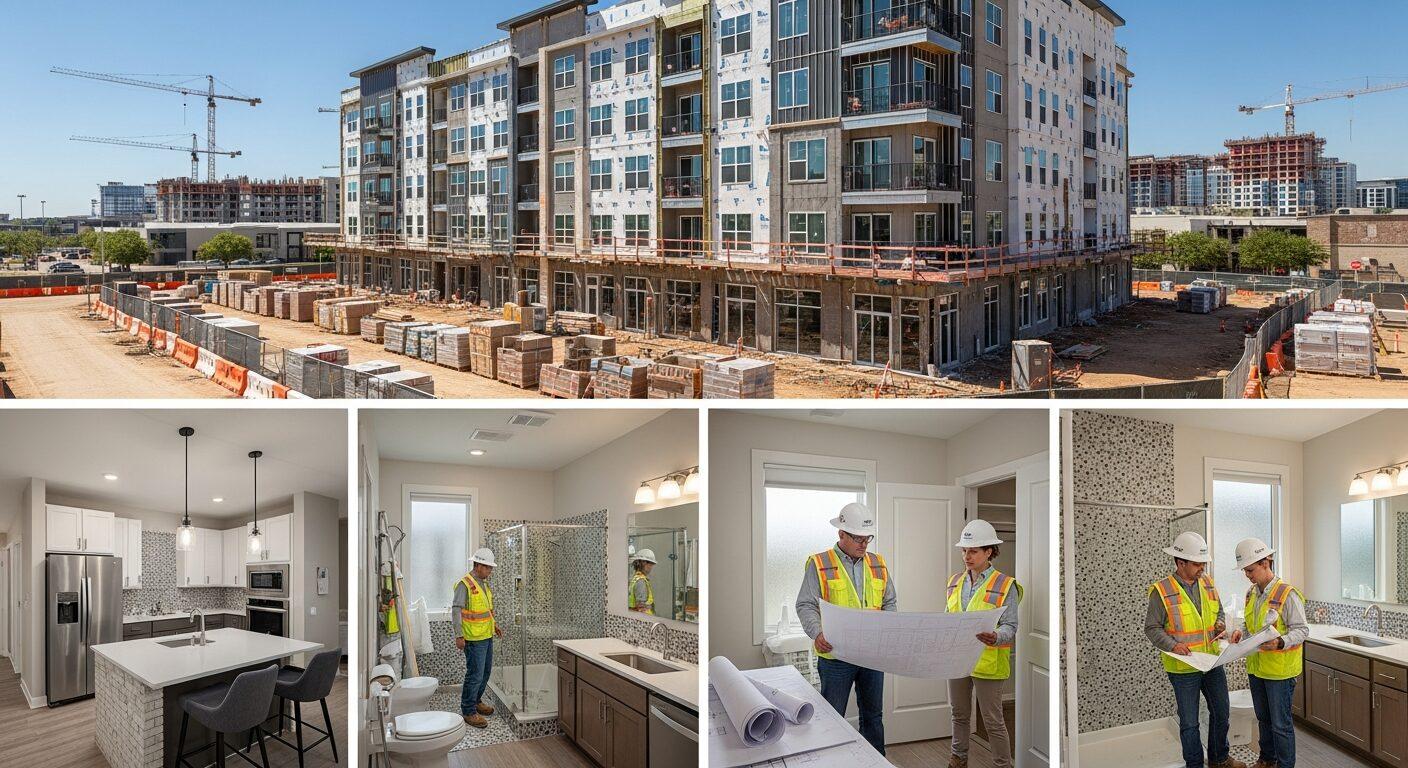
Irving, Texas is experiencing a construction boom driven by population growth, corporate relocations, and aging building stock. For multi-family property owners managing phased upgrade projects, staying competitive means investing in capital improvements that enhance tenant satisfaction, increase occupancy rates, and maximize property value. The question is no longer whether to upgrade—it’s how to execute renovations efficiently while keeping residents happy and operations running smoothly.
Why Irving’s Multi-Family Market Demands Capital Improvements Now
The Dallas–Fort Worth metroplex is booming. Irving specifically has become a magnet for investment and development. Two major transactions highlight this momentum: the City of Irving’s purchase of a mid-rise office property in Las Colinas for emergency departments (requiring significant renovations and systems upgrades), and an investment group’s acquisition of State Farm’s former Las Colinas campus for commercial redevelopment. Meanwhile, two unnamed companies are considering $1 billion in capital investment for expansion projects in Fort Worth—all within 100 miles of Irving.
This activity creates pressure on existing multi-family assets. Aging building stock needs competitive upgrades to attract and retain quality tenants. Capital improvement projects aren’t optional extras—they’re essential investments in property competitiveness.
Property managers face a real challenge: How do you execute phased renovations in occupied environments without disrupting residents or jeopardizing occupancy rates?
Understanding Your Capital Improvement Options
Capital improvements for multi-family properties typically include:
- Mechanical systems upgrades (HVAC, plumbing, electrical)
- Energy efficiency improvements (insulation, lighting, appliance upgrades)
- Interior renovations (kitchens, bathrooms, flooring, fixtures)
- Exterior work (roofing, siding, landscaping, parking lot resurfacing)
- Common area enhancements (lobbies, fitness centers, outdoor spaces)
- Technology infrastructure (security systems, internet upgrades, smart building features)
Each project type presents different challenges when executed in occupied buildings. The right contractor understands this complexity and can navigate the logistics without compromising quality or resident satisfaction.
Phased Execution: The Key to Seamless Renovations
Successful capital improvement projects in occupied multi-family properties rely on strategic phasing. Rather than shutting down the entire building, phased approaches allow you to:
- Rotate unit renovations by floor or section, keeping most units occupied during the project
- Schedule work during off-peak hours to minimize resident disruption
- Maintain ongoing operations in common areas while completing construction
- Spread financial impact across multiple fiscal periods
- Reduce operational downtime and vacancy loss
A construction partner with experience in occupied environments understands tenant communication, scheduling coordination, and quality control under these challenging conditions. They know how to maintain site cleanliness, manage noise and dust, and handle unexpected issues without derailing the timeline.
The Role of Third-Party Inspections and Property Condition Assessments
Before launching any capital improvement program, property owners and managers should invest in a comprehensive Property Condition Assessment (PCA) or Capital Needs Assessment (CNA). These independent evaluations identify:
- Current condition of building systems and components
- Life expectancy of major building elements
- Priority ranking of needed improvements
- Budget estimates for phased work
- Risk factors requiring immediate attention
Third-party inspections provide objective data for capital planning, helping you prioritize spending and avoid costly surprises. They also strengthen investor confidence and support financing conversations with lenders or partners.
Renovation Strategies to Maximize Tenant Retention
Smart capital improvements focus on tenant-facing amenities and functional reliability:
High-Impact Unit Upgrades:
- Modern kitchen and bathroom finishes appeal to quality tenants and support rental rate increases
- Updated appliances reduce maintenance calls and improve tenant satisfaction
- Energy-efficient features lower utility costs, benefiting both owner and resident
Common Area Enhancements:
- Upgraded fitness centers, lounges, and outdoor spaces increase property appeal
- Improved lighting and security systems enhance resident safety and comfort
- WiFi and technology infrastructure address modern tenant expectations
Building System Reliability:
- HVAC and mechanical upgrades ensure consistent comfort and reduce emergency repairs
- Plumbing upgrades prevent water damage and disruption
- Electrical system improvements support modern appliance usage and reliability
Tenants notice quality improvements and respond with higher satisfaction, longer lease renewals, and positive word-of-mouth referrals.
Budgeting and Timeline Considerations
Multi-family property owners managing phased projects must plan carefully:
Budget Planning:
- Reserve capital improvement funds annually to spread costs
- Prioritize work by criticality and tenant impact
- Use PCA data to forecast 5–10 year capital needs
- Build contingency reserves for unexpected discoveries during construction
Timeline Management:
- Phased projects typically extend over 2–5 years depending on property size and budget
- Unit renovations can happen continuously while exterior work follows a separate schedule
- Seasonal factors (weather, holiday periods) influence scheduling
- Transparent timelines help residents adjust expectations and plan lease renewals
Clear communication with residents about project scope, timeline, and expected disruption reduces friction and maintains satisfaction during construction.
Construction Management and Quality Control in Occupied Buildings
The difference between a smooth capital improvement program and a nightmare often comes down to construction management. Your contractor must:
- Maintain clear communication with property management, residents, and all trades
- Protect resident privacy and security while contractors are in units
- Manage daily logistics like material delivery, tool storage, and site cleanup
- Handle changes and challenges that arise during construction without derailing schedules
- Ensure quality workmanship that meets building standards and manufacturer specifications
- Coordinate inspections and approvals with local code officials and building departments
A construction partner with proven experience managing complex projects in occupied environments brings discipline, systems, and professional accountability to every phase.
Irving’s Market Advantage for Capital Investment
Irving’s position within the Dallas–Fort Worth metroplex creates ongoing capital improvement opportunities. Corporate relocations and population growth mean:
- Demand for quality housing remains strong
- Tenant quality expectations continue rising
- Property values support higher-quality finishes and systems
- Competition among properties drives investment in upgrades
- Regional construction activity creates experienced contractor networks
Property owners who invest in capital improvements today position their assets competitively for the next decade of growth.
Making the Decision: When to Launch Capital Improvements
Property owners and managers should consider capital improvements when:
- A property condition assessment identifies aging systems needing replacement or upgrade
- Tenant satisfaction surveys show concerns about unit features or building amenities
- Occupancy rates decline relative to competitive properties in the area
- Lease renewal rates drop, indicating resident dissatisfaction
- Maintenance costs spike, signaling that preventive improvement is needed
- Ownership changes occur, bringing new capital for strategic upgrades
- The market shows strong demand, making rate increases supportable by investors
Irving’s booming market creates favorable conditions for capital improvement investment right now.
Working with Experienced Construction Partners
Your choice of contractor makes or breaks a capital improvement program. Look for partners who:
- Bring proven experience with phased, occupied-building projects
- Demonstrate transparent communication and clear project management
- Provide detailed assessments, budgeting, and timeline planning
- Hold necessary licenses, certifications, and insurance
- Can manage coordination with inspectors, lenders, and residents
- Deliver quality craftsmanship backed by warranties and accountability
- Understand multi-family property operations and resident management
In Fort Worth and Irving, construction partners like Alder Designs combine extensive expertise with a mission-driven approach to delivering results that property owners can trust. With over 70 years of combined construction experience and a proven track record in multi-family, hospitality, and commercial properties, Alder Designs specializes in exactly this type of complex work: capital improvements in occupied environments, phased execution, transparent communication, and quality without compromise.
Your Next Step: Assessment and Planning
The path forward begins with honest assessment. A comprehensive property condition assessment identifies opportunities, quantifies costs, and creates a roadmap for phased improvements. This data-driven approach helps you make confident decisions about which improvements to prioritize, how to sequence the work, and how to budget for success.
Multi-family property owners in Irving, Texas have never had a better market opportunity to invest in capital improvements. The demand for quality housing is strong, the market supports higher rental rates for upgraded units, and experienced construction partners stand ready to help you execute complex projects professionally and efficiently. The only question is whether your property will lead the market or fall behind.