
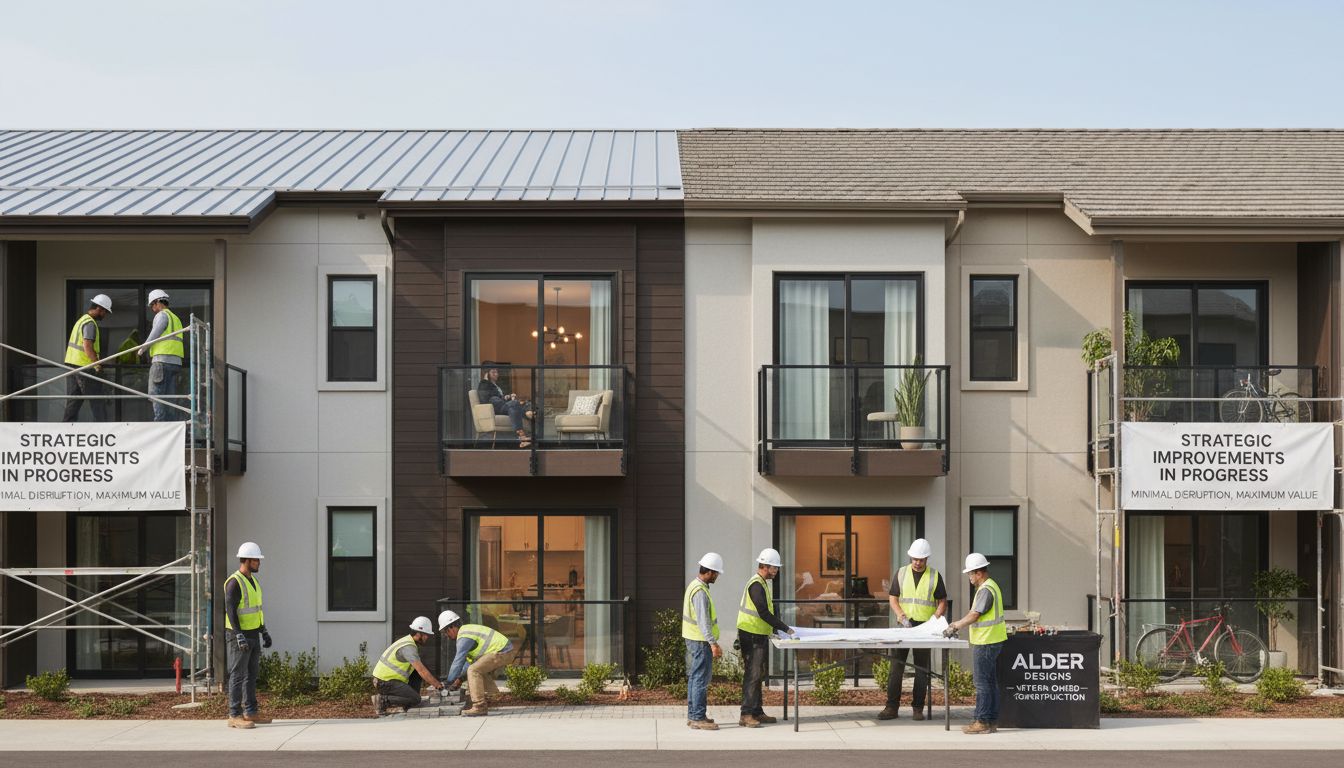
Strategic Capital Improvements for Multi-Family Properties: A Complete Guide to Phased Renovation Success
Multi-family property owners and managers face one of the most challenging construction decisions: how to execute capital improvements and renovations without disrupting occupancy, operations, or tenant satisfaction. Whether you’re managing apartments in Fort Worth, Texas, or overseeing a larger portfolio, phased upgrade projects require careful planning, expert execution, and transparent communication. This guide walks you through everything you need to know about successful capital improvements for multi-family properties.
Why Capital Improvements Matter for Multi-Family Properties
Capital improvements directly impact property value, occupancy rates, and long-term profitability. Unlike routine maintenance, capital improvements add tangible value to your property and extend asset life. Studies show that well-executed renovations can increase property valuations by 15–25% and improve tenant retention significantly.
For multi-family properties specifically, strategic upgrades address critical pain points: aging HVAC systems, deteriorating roofing, outdated plumbing, and energy inefficiencies. These aren’t minor cosmetic touches—they’re infrastructure investments that determine whether your property remains competitive in today’s market.
The challenge is executing these improvements while maintaining occupancy. Empty units generate no revenue. Disrupted tenants leave bad reviews. Budget overruns threaten profitability. This is where strategic planning and experienced construction management make all the difference.
Understanding Your Capital Improvement Options
Multi-family properties typically require one or more of these core capital improvements:
Room Turns and Unit Refreshes are phased renovations of individual units between tenants. This approach minimizes disruption and allows you to spread costs across multiple lease cycles. Updates might include flooring, paint, fixtures, appliances, and hardware replacements.
Infrastructure and Systems Upgrades address building-wide needs: roofing replacements, HVAC system overhauls, plumbing infrastructure improvements, and electrical upgrades. These require more coordination but deliver broader impact across the entire property.
Energy Efficiency Improvements reduce operational costs and increase property appeal. LED lighting, smart thermostats, water-efficient fixtures, and insulation upgrades benefit both your bottom line and environmental goals.
Common Area Renovations refresh lobbies, hallways, fitness centers, and outdoor spaces. Enhanced common areas increase perceived value, improve tenant satisfaction, and command higher rental rates.
Commercial Space and Tenant Finishes apply when your multi-family property includes ground-floor retail or commercial offices. Custom finishes attract quality tenants and maximize lease revenue.
The Four-Step Process for Successful Phased Renovations
Experienced construction firms approach multi-family renovations with a proven four-step methodology: assessment, planning, execution, and delivery.
Step 1: Comprehensive Property Assessment
Begin with an honest evaluation of your property’s condition. A professional third-party property condition assessment (PCA) identifies which systems are approaching end-of-life, which upgrades will deliver the strongest return on investment, and which improvements will most appeal to current and prospective tenants.
This assessment should include:
- Structural integrity review
- Systems evaluation (HVAC, plumbing, electrical)
- Roof condition and remaining useful life
- Exterior envelope condition
- Unit-by-unit condition documentation
- Energy efficiency analysis
An independent assessment removes bias and provides a clear roadmap for prioritization.
Step 2: Strategic Planning and Phasing
Not every property needs—or can afford—all improvements simultaneously. Strategic planning determines which improvements to tackle first, how to phase them across multiple lease cycles, and how to sequence work to minimize disruption.
Key planning questions include:
- What’s your timeline? Do market conditions, financing, or lease cycles require acceleration?
- What’s your budget? How will you allocate capital across multiple fiscal years?
- What’s the occupancy impact? Which improvements can proceed with units occupied, and which require vacancy?
- Which improvements offer the strongest ROI? Prioritize work that increases rent potential and tenant retention.
- Can improvements be bundled efficiently? Grouping related work (such as HVAC and electrical) reduces contractor mobilization costs.
A construction professional can help you build a phased timeline that spreads costs, manages cash flow, and maximizes the strategic benefit of each investment.
Step 3: Quality Execution in Occupied Environments
Executing construction in occupied multi-family properties demands specialized skills. Tenants are still living there. Operational systems must continue running. Noise, dust, and access disruptions must be minimized.
Professional construction management ensures:
- Detailed scheduling that coordinates work around tenant occupancy
- Robust safety protocols protecting residents and workers
- Quality oversight maintaining standards despite operational complexity
- Clear tenant communication managing expectations and resolving issues
- Contingency planning addressing unexpected conditions discovered during renovation
- Budget control preventing cost overruns that erode your investment returns
Veteran-owned construction firms often bring military-grade discipline to project execution—precision, accountability, and transparency at every stage.
Step 4: Delivery and Occupancy Readiness
The final step ensures completed work meets specifications, all permits are closed, and units or common areas are ready for immediate occupancy or use. This includes:
- Final inspections and punch-list completion
- Systems testing and commissioning
- Tenant move-in coordination (for unit renovations)
- Landlord training on new systems and maintenance requirements
- Final documentation and warranties
How to Choose a Construction Partner for Multi-Family Renovations
Not all construction firms have the expertise to manage multi-family renovations effectively. Look for these critical qualifications:
Specialized Experience in multi-family construction and occupied environment renovation. Managing occupied buildings is fundamentally different from new construction—it requires different skills, protocols, and mindsets.
Proven Track Record with senior living facilities, hospitality properties, and multi-family complexes. References and case studies should demonstrate successful completion of similar projects.
Industry Certifications and Expertise. Look for firms with certified professionals in construction management, inspection, and relevant trades.
Transparent Communication practices. You should receive regular updates, clear reporting, and honest conversations about challenges before they become crises.
Veterans-Owned Operations often bring military discipline and integrity to construction processes. The background of trust and accountability translates into reliable execution.
On-Time and On-Budget Delivery track record. Ask specifically about schedule adherence and cost control on previous projects.
Third-Party Assessment Capabilities. The best construction partners can also provide independent property evaluations, capital needs assessments, and bid reviews—helping you make informed decisions beyond just execution.
Capital Improvements That Deliver ROI for Multi-Family Properties
Research and market trends show which improvements consistently attract tenants and justify investment:
HVAC System Upgrades top the list. Reliable, efficient climate control is non-negotiable for tenant satisfaction. Modern HVAC systems reduce energy costs by 15–30% and command rent premiums.
Roofing Replacement prevents catastrophic failures, eliminates water damage risk, and extends the life of structural components underneath. Proper roofing is invisible but essential.
Bathroom and Kitchen Updates consistently rank highest in tenant satisfaction surveys. Modern fixtures, updated cabinetry, and fresh finishes make units feel current and valuable.
Flooring Upgrades from worn carpet or tile to quality materials refresh spaces and improve durability for high-traffic areas.
Exterior and Curb Appeal Improvements including fresh paint, landscaping, and signage create positive first impressions that drive leasing velocity.
Energy-Efficient Appliances and Fixtures reduce utility costs for both the property and tenants, making units more attractive and more profitable to operate.
Avoiding Common Pitfalls in Multi-Family Renovation Projects
Understanding what goes wrong helps you prevent costly mistakes:
Inadequate Upfront Assessment leads to surprise conditions discovered mid-project, scope creep, and budget overruns. Invest in thorough property evaluation first.
Unclear Phasing and Timeline creates confusion, disrupts tenant communication, and allows projects to expand without boundaries. Clear phasing prevents cost and schedule creep.
Ignoring Occupied Environment Complexity causes disruptions, tenant complaints, and morale issues. Specialized renovation management is worth the investment.
Underestimating Coordination Requirements when managing multiple contractors across a large property leads to delays and quality issues. A single construction management entity coordinating all trades prevents this.
Failing to Communicate with Tenants creates resistance, complaint volume, and early lease terminations. Transparent, proactive communication prevents many problems.
Accepting Lowest Bids Without Evaluating Capability frequently results in poor quality, delays, and disputes. Bid reviews by experienced professionals prevent this false economy.
Questions to Ask Before Committing to a Construction Partner
Before selecting a construction firm for your multi-family renovation, ask these qualifying questions:
- How many multi-family projects have you completed in the past five years, and what were the sizes?
- Can you provide references from senior living facilities, hospitality properties, or other multi-family operators?
- How do you manage construction in occupied environments while maintaining tenant satisfaction?
- What’s your process for handling unexpected conditions discovered during renovation?
- How do you communicate project status and manage issues with property management teams?
- Can you provide fixed-price quotes with transparent scope definition, or do you require cost-plus contracts?
- Do you handle third-party inspections, assessments, and bid reviews, or just execution?
- What certifications and professional affiliations do your team members hold?
- How do you ensure on-time, on-budget delivery across multi-unit projects?
Getting Started With Your Capital Improvement Plan
Begin with a professional property condition assessment from an independent, certified firm. This assessment
0 Comments