
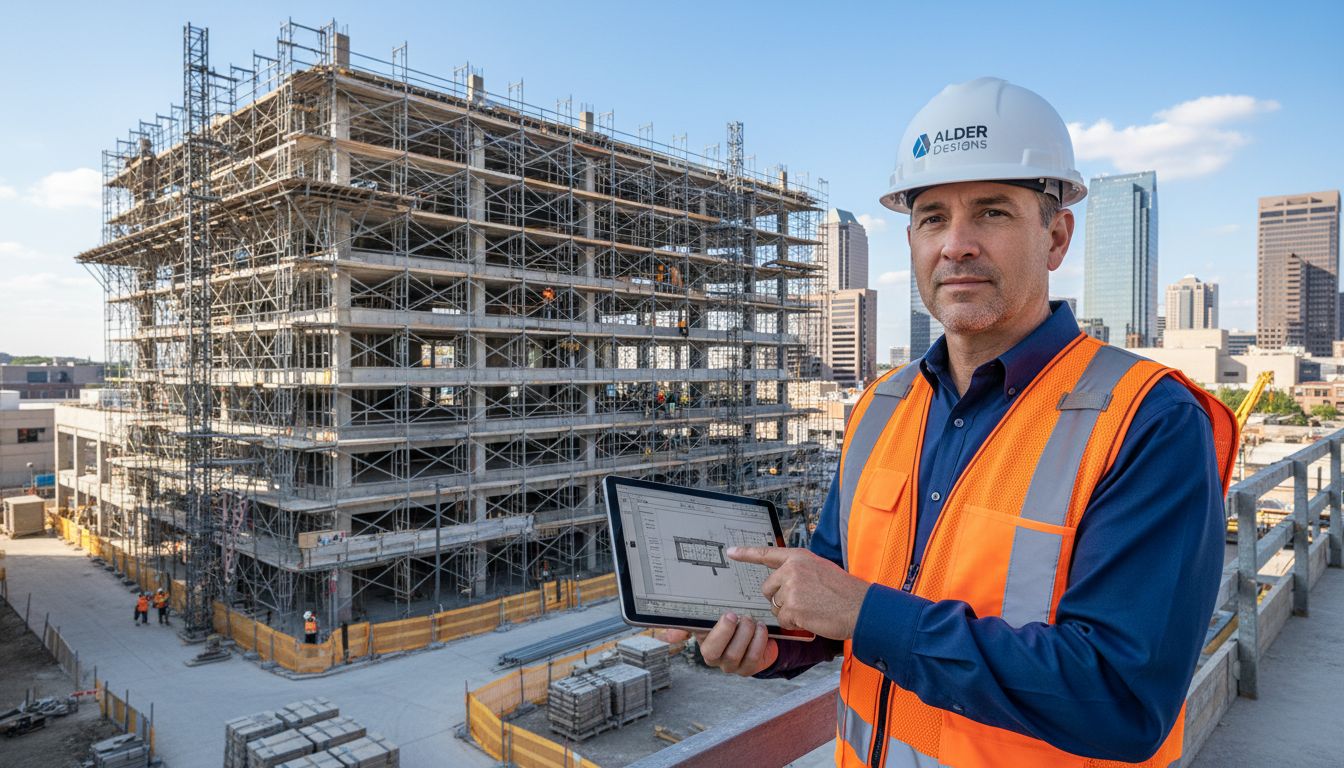
Strategic Construction Management in Fort Worth: How to Navigate Major Building Projects Responsibly
Fort Worth is in the middle of a construction boom. Over $1 billion in development is reshaping downtown, with the Westside Village project alone representing a $1.7 billion mixed-use investment. The North City urban village, Historic Southside redevelopment, and countless infrastructure upgrades are creating unprecedented demand for renovation, capital improvement, and construction management services across the city.
Yet amid this growth lies a critical challenge: How do you manage complex construction projects without compromising quality, budget, or timelines?
For property managers, senior living operators, hospitality leaders, multi-family developers, and commercial property owners, the answer lies in partnering with experienced construction professionals who understand Fort Worth’s unique market demands and can deliver transparency, expertise, and results—even in occupied environments.
Why Fort Worth’s Construction Market Is Busier Than Ever
Fort Worth’s explosive development pipeline reflects decades of opportunity compressed into months of urgent action. The $1.7 billion Westside Village development at University Drive and White Settlement Road will break ground in early 2026 with a six-story office building, ground-floor retail, and 308 new apartments—just Phase I of a 15-year buildout. Meanwhile, North City’s $1.1 billion urban village between I-35W and US 287 is adding the 464-unit Resia complex, a music venue, high-end grocer, and multiple retail anchors to an already bustling mixed-use hub.
Downtown hasn’t been left behind. The Texas A&M–Fort Worth campus, a major Convention Center renovation, and future Calhoun apartments represent over $1 billion in activity. Add the $61 million Evans and Rosedale Urban Village bringing 181 affordable residential units to the Historic Southside, and you have a city racing to accommodate growth while upgrading aging infrastructure.
This boom translates into real complexity for building owners and managers. Project timelines compress. Capital budgets tighten. Occupancy can’t stop. Traditional construction approaches—ones that disrupt operations, miss deadlines, or exceed budgets—are no longer acceptable.
The Hidden Cost of Construction Without Strategic Planning
Many property owners and managers underestimate the true cost of poorly planned renovation and capital improvement projects. The expenses go far beyond the final invoice:
Occupancy disruption in senior living facilities means relocated residents, increased staffing strain, and dissatisfied families. In hospitality, every day a room is out of service costs revenue. In multi-family properties, construction noise and dust trigger tenant complaints, damage retention, and delay move-ins in newly renovated units.
Scope creep and change orders eat budgets alive. A roofing project reveals hidden structural damage. HVAC upgrades uncover electrical code violations. Without an experienced third-party assessment and detailed planning, contractors discover problems mid-project—when fixing them is expensive and disruptive.
Quality corners cut under time pressure lead to callbacks, warranty issues, and deferred maintenance that compounds for years. Rushed finishes on capital improvements mean systems that fail prematurely, surfaces that wear quickly, and rooms that don’t rent as well.
Contractor coordination failures leave gaps in accountability. When multiple trades work on the same project without clear oversight, inspections fall behind, safety issues emerge, and finger-pointing replaces responsibility.
Strategic construction management eliminates these hidden costs by frontloading planning, ensuring quality oversight, and maintaining transparency at every stage.
What Strategic Construction Management Really Means
Strategic construction management isn’t just hiring someone to watch the work. It’s a four-step process that begins before a single tool is picked up:
Assessment
Before any construction happens, an experienced team evaluates the property holistically. For capital improvement projects, this means identifying not just what needs replacing, but why—and what else might be at risk. Property Condition Assessments (PCA) and Capital Needs Assessments (CNA) provide investors and property managers with independent, certified evaluations that inform budget forecasting, prioritization, and sequencing.
For senior living facilities considering room turns or hospitality properties planning renovations, assessment also means understanding the occupied environment. Which areas can be worked on without disrupting operations? What temporary accommodations or services need adjusting? How can construction phasing minimize guest and resident impact?
Planning
Assessment data feeds into detailed project planning. This is where experienced construction teams develop realistic timelines, identify the right contractors for each scope, and establish clear communication protocols. For property managers dealing with multiple concurrent projects across a portfolio, planning creates a master schedule that balances competing demands.
Bid reviews and contractor audits by third-party professionals ensure you’re comparing apples to apples and catching potential problems before they’re contracted into place. An expert eye spots contractors overestimating labor, underestimating materials, or proposing methods that sacrifice quality for speed.
Execution
With planning locked in, execution becomes predictable. Regular site inspections, progress meetings, and transparent communication keep everyone aligned. Quality control checkpoints verify work meets specifications before the next trade moves in. For projects in occupied environments, coordination with property operations ensures minimal disruption and rapid restoration of normal use.
Delivery
Final inspections, punch list management, and formal project closeout ensure nothing falls through cracks. Property managers receive comprehensive documentation, warranty information, and commissioning records—not just a bill.
Why Property Managers in Fort Worth Choose Strategic Oversight
Property management companies in the Fort Worth market increasingly recognize that construction management is asset management. Every project represents an opportunity to improve operations, extend asset life, and enhance resident or guest satisfaction—or to waste money and damage relationships.
For senior living operators managing capital improvements, strategic construction services reduce operational disruption and ensure room turns happen on schedule. For hospitality properties, professional project management means renovations finish faster and rooms are back in service generating revenue sooner.
Multi-family developers and property managers benefit from third-party oversight that catches quality issues before they become warranty claims. Commercial property owners preparing for tenant finishes or major upgrades need confidence that timelines and budgets stay locked.
Fort Worth’s growth—with $1.7 billion in Westside Village development alone—means skilled contractors are booked months ahead. Early planning and realistic scheduling aren’t optional; they’re essential to project success.
The Difference Between Construction and Construction Done Right
Not all construction companies approach projects the same way. Some focus narrowly on the lowest bid and fastest completion. Others bring military discipline, extensive expertise, and a commitment to transparency that turns projects into success stories rather than headaches.
The difference shows in how construction teams:
- Communicate clearly with all stakeholders before, during, and after the project
- Plan meticulously to avoid surprises, scope creep, and budget overruns
- Inspect rigorously to catch issues early when they’re cheap to fix
- Prioritize quality and long-term durability over cutting corners
- Respect your property and operations by minimizing disruption in occupied environments
- Deliver on time and on budget without sacrificing craftsmanship
For property management companies in Fort Worth seeking capital improvement solutions, these differentiators matter. The construction boom means your contractor is busy—but not too busy to do the job right. Professional construction teams know that lasting partnerships come from exceeding expectations, not just meeting the minimum.
Capital Improvements That Strengthen Your Portfolio
Fort Worth’s infrastructure upgrades—$14.5 million in water, sewer, and street work across Arlington Heights, Greater Como, and Rosemont neighborhoods—show that the city is modernizing systematically. Property owners who stay ahead of these upgrades position themselves better than those who react after problems surface.
Strategic capital improvements include:
- Roofing and HVAC upgrades that improve energy efficiency and reduce long-term maintenance
- Plumbing and electrical modernization that ensures code compliance and system reliability
- Room turns and unit refreshes that maximize occupancy and tenant satisfaction
- Commercial space and tenant finishes that attract and retain quality tenants
- Infrastructure strengthening that addresses flooding risks, structural concerns, or aging systems
The key is approaching these improvements as investments in asset durability and operational efficiency—not as necessary evils to be rushed through. Companies with deep construction expertise can identify which improvements deliver the highest return on investment and sequence them to minimize operational disruption.
How to Partner With Construction Professionals You Can Trust
Finding the right construction partner starts with asking the right questions:
Do they understand your specific market? A firm experienced in senior living renovations approaches occupied environments differently than one primarily focused on ground-up commercial development. Companies serving Fort Worth’s diverse property types—from hospitality to multi-family to commercial—bring insights into local code compliance, supplier relationships, and realistic timelines for your property type.
Do they prioritize planning and transparency? Red flags include contractors eager to start immediately without detailed assessment and planning. Green flags include free consultations, no-obligation quotes, and willingness to spend time understanding your goals and constraints.
Can they provide independent assessments? Third-party evaluations and certified professional reviews add credibility and protect your interests. If a construction firm uses subcontractors for assessment or planning, those relationships should be transparent.
Do they have certifications and a proven track record? Certified professionals, industry recognitions, and client testimonials matter. Referrals from other property managers or developers you respect carry significant weight.
What’s their communication style? Construction projects are complex, and questions inevitably arise. Does the firm respond to emails within 24 hours? Are progress updates regular and detailed? Do they proactively communicate problems and solutions?
Taking Action: Your Next Steps
Fort Worth’
0 Comments