
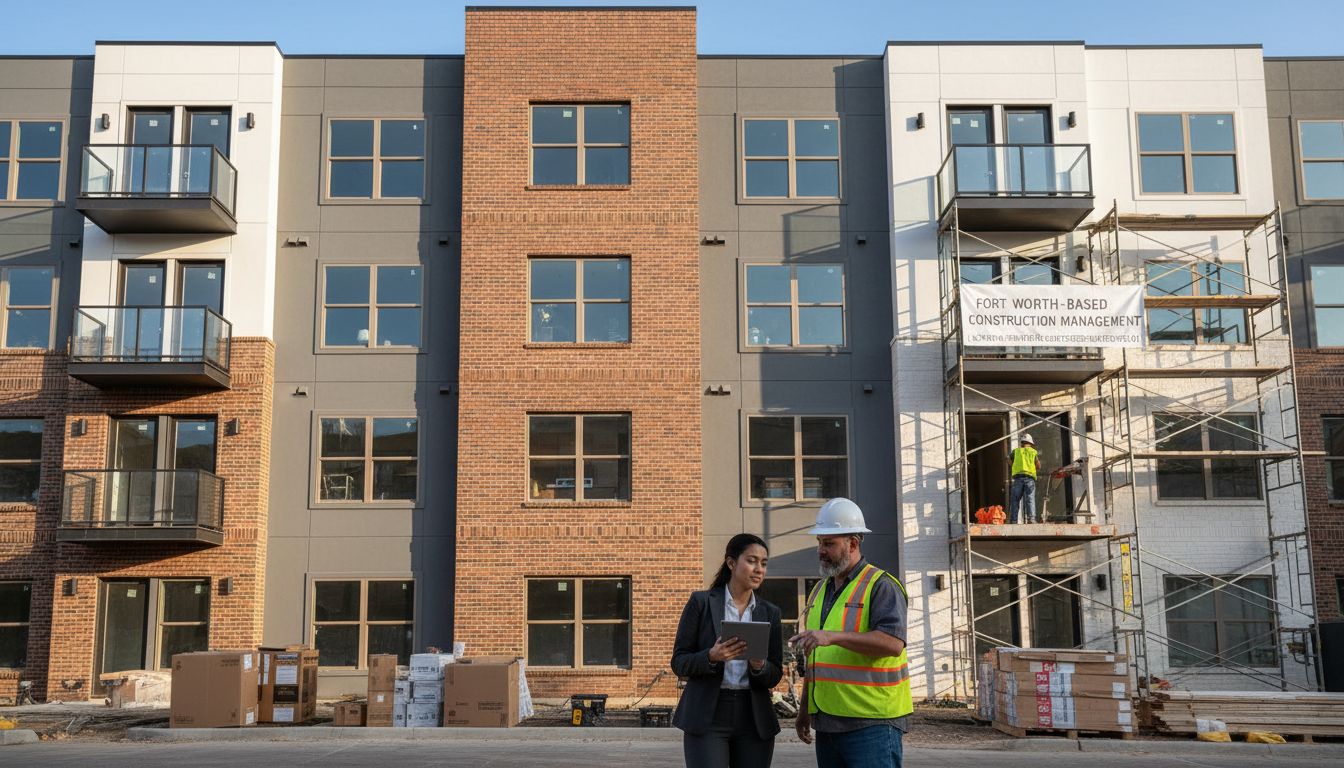
Maximize Property Value with Strategic Multifamily Renovations in Austin
The multifamily investment market in Austin is booming, and savvy property owners are capitalizing on value-add opportunities that transform buildings into competitive assets. If you’re managing or investing in multi-family properties, you know that strategic renovations—from unit interiors to amenity spaces—directly impact rent growth and investor returns. The challenge isn’t deciding whether to renovate; it’s executing the renovation correctly while maintaining operational continuity.
That’s where comprehensive capital improvement planning and professional construction management make all the difference.
Why Multifamily Renovations Matter in Austin’s Market
Austin’s multifamily sector is experiencing unprecedented growth, driven by population expansion and investor activity. According to recent market data from the Austin Business Journal, multifamily value-add transactions are at an all-time high, with investors funneling capital into extensive renovation programs designed to justify rent increases and attract quality tenants.
The strategy is straightforward: identify properties with deferred maintenance or outdated interiors, execute targeted improvements, and position the asset for higher occupancy and revenue. But execution is where most property owners struggle. Quick unit turns, phased work in occupied environments, and transparent reporting require expertise that goes beyond standard contracting.
This is especially true for multi-family property owners pursuing phased upgrades across large portfolios. The margin for error is thin, and downtime costs money.
The Three Critical Steps Before You Break Ground
Before your renovation begins, three assessments determine the difference between a profitable upgrade and a costly mistake.
Property Condition Assessments (PCA) provide a comprehensive snapshot of your building’s current state. Trained professionals inspect structural integrity, mechanical systems, roof condition, and compliance issues—giving you a clear picture of what needs attention and what can wait. For investors acquiring new assets, a PCA is non-negotiable; it prevents costly surprises and informs your investment decision.
Capital Needs Assessments (CNA) take the PCA further by prioritizing improvements and estimating costs across a multi-year horizon. A CNA tells you not just what’s broken, but what to fix first, second, and third—allowing you to spread investment strategically and maximize returns over time.
Third-party inspections and bid reviews protect your budget. When you’re planning a multifamily renovation involving roofing, HVAC upgrades, plumbing, or energy-efficient systems, independent contractor audits catch cost overruns and ensure competitive pricing. A bid review process saves thousands by preventing inflated quotes and scope creep.
These three steps—assessment, analysis, and validation—form the foundation of a successful renovation strategy.
Strategic Planning: From Feasibility to Execution
A well-executed multifamily renovation isn’t spontaneous. It flows from a clear strategic plan that balances tenant needs, market conditions, budget realities, and timeline constraints.
The planning process typically includes:
- Feasibility studies that test renovation concepts against market demand and financial projections
- Unit turn protocols that standardize refresh procedures and reduce turnaround time
- Phased schedules that allow occupied units to remain operational during renovations
- Budget transparency with fixed pricing and change-order protocols to prevent surprises
- Compliance verification ensuring all work meets local code and accessibility standards
For multi-family properties in Fort Worth and surrounding Texas areas, phased approaches are essential. You can’t shut down an entire building for renovation—tenants still need to live there, and vacancies cost revenue. Professional construction management ensures work progresses in defined phases, minimizing disruption while maintaining schedule momentum.
High-Impact Renovations That Drive Revenue Growth
The renovations that generate the highest ROI target three areas: unit interiors, amenity spaces, and building systems.
Unit interior upgrades include flooring, cabinetry, appliances, lighting, and finishes. Modern, move-in-ready units command premium rents. Investors consistently report that quality unit refreshes justify 5-10% rent increases, offsetting renovation costs within 2-3 years.
Amenity space enhancements create competitive advantage. Common areas, fitness facilities, leasing offices, and outdoor spaces influence tenant decisions and retention. A remodeled pool area, upgraded gym, or renovated clubhouse distinguishes your property in a crowded market.
Building system improvements—HVAC, roofing, plumbing, and energy upgrades—reduce operating costs and prevent major failures. Modern HVAC systems improve tenant comfort and reduce utility expenses. New roofing extends asset life and lowers insurance premiums. These “invisible” improvements may not generate direct rent increases, but they improve net operating income and property valuation.
The key is balancing cosmetic appeal with infrastructure reliability. A beautiful unit with failing HVAC disappoints tenants; a mechanically sound unit without modern finishes won’t command premium rent.
Quick Room Turns: Speed Without Sacrifice
In multifamily renovations, turnover speed directly affects revenue. Every vacant day is lost rent. Professional room-turn services address this pressure by standardizing procedures and reducing turnaround from weeks to days.
Effective room-turn protocols include:
- Pre-established finishes and material lists that eliminate ordering delays
- Trained crews that work in parallel (electrical, plumbing, flooring) rather than sequentially
- Quality checkpoints at each stage to prevent rework and delays
- Same-day remediation of any defects discovered during final inspection
Contractors experienced in high-volume unit turns—particularly those serving senior living, hospitality, and multifamily sectors—understand this pressure intimately. They bring systems that work, not ad-hoc approaches that create bottlenecks.
Construction Management for Occupied Environments
The defining challenge of multifamily renovations is executing work while tenants remain in the building. This isn’t a standard commercial renovation where you can clear the space and work freely.
Effective construction management in occupied environments requires:
- Detailed scheduling that aligns work with tenant occupancy and minimizes noise and disruption
- Continuous communication with property management and tenants about work schedules, access restrictions, and expected timelines
- Protective measures (dust barriers, temporary utilities) that prevent construction impact on occupied units
- Flexible problem-solving to adapt if unexpected conditions arise or tenants need accommodation
- Quality control that maintains standards even within the constraints of occupied-building work
Crews accustomed to hospitality, senior living, and healthcare environments often excel here—they’ve built their reputation on delivering quality while minimizing guest or resident impact.
Investor-Focused Reporting and Transparency
Property investors need data. When you’ve committed capital to a renovation, you need confidence that the work is progressing on schedule and on budget.
Professional construction documentation includes:
- Weekly progress reports showing completed work, remaining tasks, and any schedule adjustments
- Transparent billing with itemized invoices tied to completed phases
- Photo documentation of before, during, and after work for your files and future sales documentation
- Budget tracking showing actual costs against estimates with clear explanation of any variances
- Completion certifications and warranties for systems and materials installed
This level of reporting isn’t courtesy—it’s professional standard. A contractor who resists transparent reporting, delays payment processing, or avoids documentation is a risk.
Finding the Right Partner for Your Multifamily Renovation
Not all construction firms understand multifamily renovation. Many specialize in ground-up construction, which is fundamentally different from renovation in occupied environments.
When evaluating contractors, prioritize:
- Proven experience in multifamily value-add projects with case studies and references from similar properties
- Certification and credentials in relevant building systems (roofing, HVAC, plumbing, electrical)
- Capability in phased, occupied-building work not just new construction
- Clear communication and transparent processes including detailed quotes, documented change orders, and regular progress reporting
- Vendor relationships that enable competitive pricing on materials and subcontractors
- Insurance and bonding appropriate to project scope and complexity
In the Fort Worth area and throughout Texas, veteran-owned construction firms often bring discipline, accountability, and clear communication to complex projects—traits that align naturally with investor expectations.
Your Next Step: Assessment Before Commitment
The best renovations begin with assessment. Before committing to a scope and budget, you need clarity about your property’s current condition, the prioritized improvements that will deliver ROI, and realistic timelines and costs.
A professional property condition assessment, followed by a capital needs assessment and independent bid review, provides that clarity. It transforms renovation planning from guesswork into strategy.
The multifamily market in Austin rewards owners who renovate strategically—but only those who execute with precision, transparency, and respect for tenant needs. Identify contractors who demonstrate these standards, prioritize assessment before design, and maintain communication throughout the project.
Your property’s competitive position depends on it.
0 Comments