
Strategic Construction Services for Capital Improvements in Fort Worth
Fort Worth owners and managers: maximize ROI and minimize disruption with strategic construction services for capital improvements.
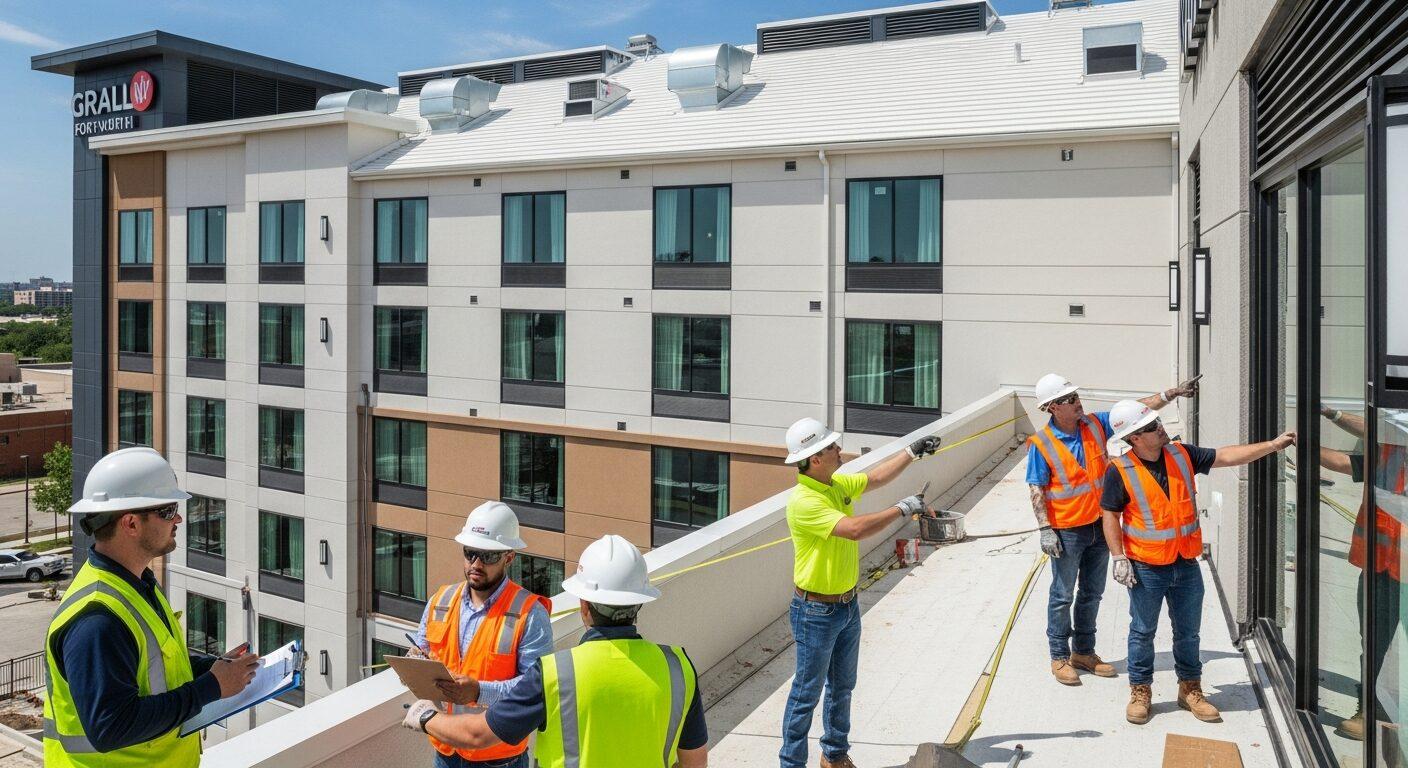
I need to retrieve the specific information from the previous steps in this workflow. Let me gather the article details, industry context, and search data.
The hospitality industry in Fort Worth and Irving, Texas is booming. With the DFW region seeing $5.72 billion in commercial building projects last year and infrastructure permits rising 25.7%, property owners are reinvesting in their assets like never before. But not every renovation delivers results. The difference between a renovation that drives occupancy and revenue—and one that just drains your budget—lies in a strategic approach to capital improvements.
Hospitality owners and operators in Fort Worth face a unique challenge: how do you modernize your property, improve guest experience, and increase ROI while keeping the hotel operational and your doors open? The answer starts with understanding which systems matter most, planning your upgrades carefully, and partnering with a construction team that gets the hospitality industry.
Why Capital Improvements Matter in Today’s Hospitality Market
Guest expectations have shifted dramatically. Modern travelers expect updated amenities, reliable systems, and seamless experiences. A property with outdated HVAC, aging plumbing, or tired roofing won’t just disappoint guests—it’ll lose them to competitors down the street.
Capital improvements go beyond cosmetics. They address the infrastructure that keeps your property running reliably. When you invest strategically in roofing, HVAC, plumbing, and energy-efficient upgrades, you accomplish three goals at once:
- Reduce operating costs by upgrading to high-efficiency systems
- Increase guest satisfaction through reliable comfort and modern amenities
- Protect your asset by addressing problems before they become emergencies
The challenge is knowing where to start and how to execute without disrupting daily operations. That’s where a property condition assessment becomes critical.
Start With a Professional Property Condition Assessment
Before you spend a dollar on renovations, you need to know exactly what your property needs. A third-party property condition assessment (PCA) is a certified, independent evaluation of your building’s major systems, structural integrity, and long-term capital needs.
Here’s why this matters for hospitality properties:
You get clarity on priorities. A PCA identifies which systems are critical, which are aging but stable, and which can wait. For a hotel owner, this means you can focus your budget on renovations that impact guest experience and operational efficiency first.
Lenders and investors expect it. If you’re refinancing, seeking investment, or planning future expansion, PCAs are often required. Having one completed positions you ahead of the game and speeds up financing decisions.
You avoid surprises. Discovering a roof leak after a guest complaint or a plumbing disaster mid-season costs far more than proactive assessment and planning. PCAs catch issues early.
A professional assessment typically evaluates:
- Roof condition and remaining useful life
- HVAC systems and efficiency ratings
- Plumbing, electrical, and fire safety systems
- Building envelope and weatherization
- Guest-facing amenities and finishes
- Safety compliance and accessibility features
In Fort Worth and Irving, hospitality properties often need attention to roofing and HVAC systems due to Texas weather extremes—intense heat in summer and occasional ice storms in winter. A good PCA will prioritize these critical systems and guide your capital planning.
The Four-Step Strategic Approach to Capital Improvements
Once you understand your property’s needs, execution is everything. A proven framework ensures your renovations stay on schedule, within budget, and keep guests happy throughout the process.
Step 1: Assessment and Planning
You’ve done your PCA. Now it’s time to develop your capital plan. This phase involves:
- Identifying which improvements will drive the highest ROI
- Prioritizing guest-facing upgrades (rooms, lobbies, bathrooms) alongside critical systems
- Creating a phased timeline to minimize disruption
For hospitality, timing is everything. Some properties phase major work during slower seasons. Others use a floor-by-floor or wing-by-wing approach to keep occupancy high. Your construction partner should help you develop a schedule that protects your revenue while getting the work done right.
Step 2: Design and Budgeting
A design-build approach streamlines this phase. Rather than separate architects and contractors, you work with one team that handles design and execution. This reduces change orders, cuts costs, and ensures the final product matches your vision.
During budgeting, transparency is non-negotiable. You should understand:
- Materials and labor costs
- Timeline and contingencies
- How the project will stay within occupied buildings
- Communication protocols so you’re always informed
Step 3: Execution With Operational Continuity
This is where most renovations go wrong. Poor planning leads to:
- Guest complaints about noise, dust, or restricted access
- Unexpected delays that balloon budgets
- Substandard workmanship that you discover after the contractor leaves
The solution is partnering with a construction team experienced in occupied-environment work. Your contractor should:
- Schedule work during low-traffic hours (early mornings, late evenings, slower seasons)
- Use dust and noise control measures to minimize guest impact
- Provide clear communication to your staff and guests about project phases
- Maintain strict quality standards to avoid rework
For hospitality specifically, this means protecting the guest experience while crews work on roofing, HVAC systems, guest room upgrades, or public space renovations.
Step 4: Delivery and Long-Term Value
Successful capital improvements don’t end at handoff. A strong contractor provides:
- Thorough final inspections and quality verification
- Warranty documentation and system manuals for ongoing maintenance
- Training for your maintenance team on upgraded systems
- Follow-up support during the warranty period
This foundation protects your investment and ensures your new systems operate efficiently for years to come.
High-Impact Capital Improvements for Hospitality in Fort Worth
Not all capital improvements are equal. In the Fort Worth and Irving market, certain upgrades consistently deliver strong ROI for hospitality properties:
Roofing Upgrades — A quality roof is your building’s first line of defense. Texas weather is tough on roofs, and a failing roof leads to water damage, guest complaints, and emergency repairs. Modern roofing materials offer better durability and reflectivity, which also reduces cooling costs.
HVAC System Replacements — Guest comfort depends on reliable climate control. Aging HVAC systems work harder, cost more to operate, and fail at the worst times. Modern, high-efficiency systems reduce energy costs by 20-30% and keep guests comfortable year-round.
Plumbing and Water System Upgrades — Modern guests expect reliable hot water, good water pressure, and no surprises. Upgraded plumbing reduces maintenance calls and improves guest satisfaction. Water-efficient fixtures also lower utility costs.
Energy-Efficient Lighting and Controls — LED lighting, smart thermostats, and occupancy-based controls reduce energy consumption without sacrificing comfort. These upgrades often pay for themselves within 3-5 years.
Guest Room Renovations — Updated bathrooms, fresh finishes, and modern amenities drive positive reviews and justify higher nightly rates. Room updates often see the fastest return on investment.
Lobby and Public Space Upgrades — First impressions matter. Updated lobbies, modern furniture, and refreshed décor improve perceived value and guest satisfaction.
Managing Costs and Timeline in a Competitive Market
Hospitality owners in Fort Worth know the pressure to keep revenue flowing while investing in improvements. Here’s how to manage costs without cutting corners:
Prioritize strategically. A PCA tells you which systems are critical now versus which can wait. Focus your initial capital on high-impact, health-and-safety items first.
Plan for phasing. Breaking projects into phases lets you spread costs, manage disruption, and maintain occupancy. A 150-room hotel might renovate 50 rooms at a time, keeping the property operating.
Get independent bid reviews. Before committing to a contractor, have a third-party expert review bids and contractor qualifications. This catches overpriced proposals and ensures you’re getting competitive pricing for quality work.
Negotiate fixed pricing. Rather than time-and-materials contracts that balloon costs, fixed-price agreements protect your budget and motivate contractors to work efficiently.
Leverage energy incentives. Many utility companies and state programs offer rebates for energy-efficient upgrades. These can significantly reduce your net cost.
Why Veteran-Owned Construction Matters for Hospitality
In Fort Worth and Irving, hospitality property owners increasingly partner with veteran-owned construction firms. Why? Veterans bring:
- Military discipline and accountability. Projects run on schedule and within budget.
- Team-oriented mindset. Veterans understand how to manage crews, communicate clearly, and solve problems on the fly.
- Integrity and transparency. Veteran-owned firms prioritize honest communication and delivering what they promise.
- Proven construction expertise. Many veteran-owned construction companies bring decades of experience in commercial and hospitality work.
When you’re managing a hotel with dozens of guests and staff depending on smooth operations, you need a construction partner you can trust.
Getting Started: Your First Steps
If you own or manage a hospitality property in Fort Worth or Irving, here’s how to begin your capital improvement journey:
-
Schedule a property condition assessment. A third-party PCA costs far less than reactive repairs and gives you a strategic roadmap for the next 3-5 years.
-
Develop a capital plan. Prioritize improvements that address immediate needs, compliance issues, and guest experience simultaneously.
-
Find the right construction partner. Look for teams with hospitality experience, proven track records in occupied-environment work, and transparent communication about timeline and costs.
-
Plan your phasing. Decide which improvements happen first, which phases follow, and how to minimize guest impact during construction.
-
Secure financing or budget allocation. Many owners refinance to fund strategic capital improvements. Others phase work over multiple years. Discuss options with your lender or investment partners.
Capital improvements aren’t just about fixing problems—they’re about positioning your hospitality property for growth, guest satisfaction, and long-term profitability. In a competitive market like Fort Worth and Irving, strategic investments in your building’s systems and amenities separate thriving properties from those struggling to attract and retain guests. Start with a solid assessment, plan thoughtfully, and partner with a construction team that understands the hospitality industry’s unique demands. Your guests—and your bottom line—will thank you.