
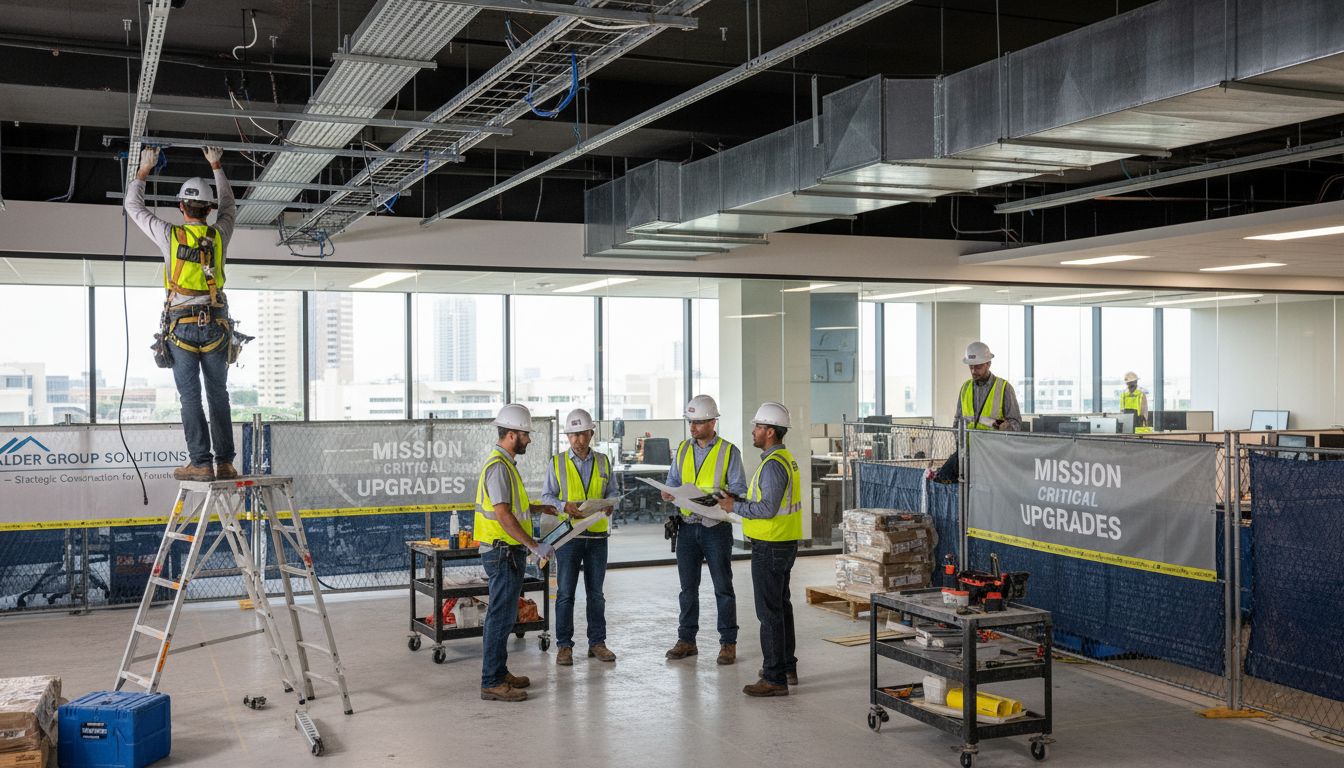
Commercial Capital Improvements: Strategic Construction for Fort Worth Property Owners
Capital improvements are non-negotiable for property owners and investors seeking to maintain competitiveness, maximize asset value, and ensure long-term operational success. Whether you’re managing a senior living community, running a hospitality property, overseeing a multifamily complex, or operating commercial real estate, the ability to plan, execute, and monitor capital improvement projects directly impacts your bottom line. In Fort Worth, Texas, where the construction sector is experiencing sustained growth driven by the region’s expanding population and aging building stock, strategic capital improvements have become essential for staying ahead.
What Are Capital Improvements and Why They Matter
Capital improvements are upgrades, renovations, or replacements of building components or systems that extend the life of a property, increase its value, or improve functionality. Unlike maintenance (which keeps systems running), capital improvements make lasting structural or operational enhancements—think new HVAC systems, roof replacements, electrical infrastructure upgrades, or comprehensive room renovations.
For commercial property owners in Fort Worth, capital improvements serve three critical purposes: they address immediate operational needs, enhance tenant or guest satisfaction, and strengthen the property’s market position. When managed strategically, they also preserve and grow equity in your real estate portfolio.
The Fort Worth Construction Market Context
The Fort Worth area is currently experiencing a construction boom driven by several factors. The city recently approved nearly $1 billion in capital projects, signaling strong infrastructure investment and sustained demand for quality construction services. Commercial developers continue advancing mixed-use projects, industrial facilities, and retail redevelopments throughout the region.
This environment creates both opportunities and challenges for property managers. With competition for quality contractors at historic levels, the window to plan and execute capital improvements efficiently is narrower than ever. Properties that invest strategically in capital improvements gain competitive advantages in occupancy rates, tenant retention, and asset valuation.
Key Capital Improvement Categories for Commercial Properties
Infrastructure and Systems Upgrades
The backbone of any property lies in its mechanical systems. HVAC replacements, plumbing upgrades, and electrical infrastructure improvements keep properties compliant, safe, and efficient. In Fort Worth’s growing market, energy-efficient upgrades have become increasingly important—both for operational cost savings and for meeting tenant expectations around sustainability.
Roofing and Structural Work
Roof condition directly impacts a property’s marketability and long-term integrity. A capital roofing project isn’t just about preventing leaks; it’s about extending the building’s lifespan, improving energy performance, and maintaining curb appeal. For multifamily and commercial properties, roofing work must be coordinated carefully to minimize tenant disruption.
Room Turns and Unit Refresh Services
For hospitality and multifamily properties, guest and tenant perception drives occupancy and rates. Strategic room turns—modernized finishes, updated fixtures, refreshed furnishings—directly impact your ability to command premium rates and reduce vacancy. Speed and quality in room renovations are equally critical; every day a unit sits vacant is lost revenue.
Tenant Improvements and Commercial Space Finishes
Commercial tenants increasingly expect move-ready spaces that reflect modern design and functionality standards. Strategic tenant finish work not only attracts and retains high-quality tenants but also justifies higher lease rates and longer lease terms. Custom finishes demonstrate that ownership is committed to property excellence.
Building a Capital Improvement Strategy
Step 1: Comprehensive Property Assessment
Before committing budget to improvements, you need clarity on actual conditions and priorities. A professional property condition assessment (PCA) or capital needs assessment (CNA) identifies what’s truly urgent, what can be phased, and what timeline makes sense. Third-party inspections provide objective data that protects your planning process and helps you avoid costly surprises mid-project.
Step 2: Accurate Capital Planning and Budgeting
Fort Worth property owners who succeed at capital improvements invest time in rigorous planning. What’s the scope? What’s the timeline? What’s the realistic budget, and what contingencies do you need? Properties managed without discipline often face budget overruns, schedule delays, and operational disruptions that outweigh the benefits of the improvements themselves.
Step 3: Design-Build and Transparent Execution
The best capital improvement projects combine strategic design vision with disciplined construction management. Design-build approaches align design intent with construction feasibility and budget from the start, reducing costly changes and rework mid-project. Transparent communication—clear timelines, regular updates, honest budget tracking—keeps stakeholders aligned and projects on track.
Step 4: Quality Delivery Without Compromise
Quality in capital improvements isn’t about premium finishes; it’s about work done right the first time. Shoddy workmanship on a roofing project, rushed electrical upgrades, or cut corners on HVAC installation create long-term liabilities. For properties in occupied environments (most commercial and multifamily properties), minimizing disruption while maintaining quality standards requires both expertise and discipline.
Managing Capital Improvements in Occupied Environments
Most commercial properties can’t simply close for renovation. Tenants are still paying rent, guests are still expecting services, and operations must continue. This reality adds significant complexity to capital improvement projects.
Successful execution in occupied environments demands:
- Phased work schedules that complete improvements in priority sequence without halting operations
- Clear coordination protocols between construction teams and property staff
- Rigorous safety standards that protect tenants, guests, and staff
- Honest timelines that account for the realities of working around occupants
- Communication transparency that keeps tenants or guests informed and minimizes frustration
Contractors with experience in occupied-environment work understand these nuances. They plan around operational rhythms, coordinate trades to minimize overlaps, and maintain the property’s operational continuity while delivering results.
Strategic Contractor Selection
Not all construction firms are equipped to handle strategic capital improvements effectively. You need partners who combine technical expertise with project management discipline and a commitment to transparency.
Key qualities to evaluate:
- Relevant experience in your property type (senior living, hospitality, multifamily, or commercial)
- Track record on similar projects—ask for references and case studies
- Certification and expertise in third-party assessment and inspection
- Transparent bidding and communication processes that eliminate surprises
- Ability to work in occupied environments without disrupting operations
- Clear timelines and budget accountability with documented change management
In Fort Worth, where the construction market is competitive, working with a contractor who brings discipline, integrity, and transparent communication can be the difference between a project that strengthens your asset and one that drains resources and creates operational headaches.
The ROI of Strategic Capital Improvements
When executed strategically, capital improvements deliver measurable returns. Senior living properties that refresh common areas and modernize rooms see improved occupancy and reduced turnover. Hospitality properties with updated rooms command higher daily rates and generate stronger guest reviews. Multifamily complexes that invest in community amenities and unit finishes attract premium tenants and reduce vacancy.
Commercial space that’s been modernized and professionally finished leases faster and at higher rates. Energy-efficient systems reduce operating costs year over year. Properties in good condition generate stronger appraisals and support better financing terms.
The key is ensuring that your improvements are strategic—aligned with your market position, tenant expectations, and long-term asset value goals—rather than reactive or driven by crisis management alone.
Getting Started with Capital Improvements in Fort Worth
If you’re managing commercial property in Fort Worth and considering capital improvements, begin with a clear assessment. What’s the current condition of your building systems, finishes, and infrastructure? What improvements would most directly impact your operational goals—whether that’s tenant retention, occupancy rates, guest satisfaction, or energy efficiency?
From there, engage a qualified partner who can help you evaluate options, develop a realistic timeline and budget, and execute work with discipline and transparency. In Fort Worth’s active construction market, strategic capital improvements are an investment not just in your building, but in your competitive position and long-term success as a property owner.
0 Comments