
How Senior Living Communities Can Master Renovation Planning Without Disrupting Resident Care
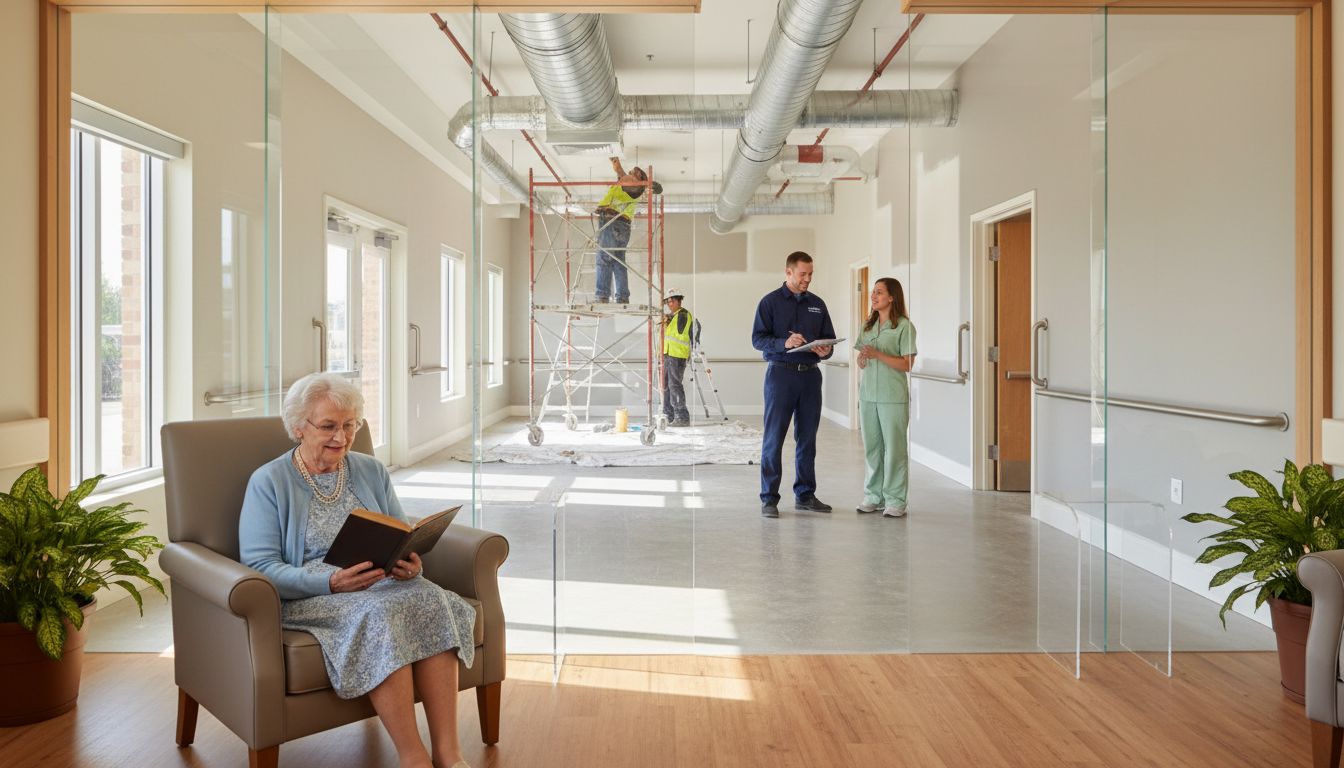
Senior living facility operators face a unique challenge: improving physical spaces while protecting the comfort, safety, and daily routines of current residents. When you’re managing a renovation project in an occupied senior living community, the stakes are higher than in typical commercial construction. Every decision about timing, scope, and execution affects real people who call your facility home.
That’s why many senior living property managers across Fort Worth and surrounding Texas communities are rethinking how they approach capital improvements and renovations. The old construction model—close a unit, clear everyone out, and start fresh—doesn’t work when residents can’t simply move for three months. You need a construction partner who understands the unique demands of occupied environments and has a proven system for delivering results without disruption.
Why Senior Living Renovations Are Different
Standard construction management approaches often fail in senior living settings because they prioritize speed and efficiency over resident comfort and safety. But your residents depend on consistent access to their spaces, reliable service, and minimal disruption to their daily lives.
Senior living community operators must balance several competing priorities:
- Maintaining occupancy and revenue during renovations rather than closing units
- Protecting resident safety while construction is underway
- Preserving the therapeutic environment that helps seniors thrive
- Managing infection control concerns in shared spaces like dining rooms and common areas
- Accommodating accessibility needs that can’t be compromised during upgrades
- Controlling costs without cutting corners on quality
Traditional construction firms often lack experience with these constraints. They may move quickly through a project but leave behind frustrated residents, stressed staff, and community managers questioning whether the renovation was worth the disruption.
The Real Cost of Poor Renovation Planning
When a senior living community hires a construction firm that doesn’t specialize in occupied environments, the hidden costs can exceed the budget by 20% to 40%. Here’s why:
Extended timelines happen when crews aren’t experienced with the special requirements of occupied buildings. They encounter unforeseen challenges—tight corridors, limited staging areas, noise restrictions during certain hours—that standard commercial construction plans don’t address.
Staff coordination challenges multiply when construction doesn’t align with activity schedules. If renovation work overlaps with mealtimes or medication administration, it creates bottlenecks that cascade throughout the facility.
Resident satisfaction drops quickly when noise, dust, or construction activity interferes with sleep, therapy sessions, or social programs. One disgruntled resident can influence entire communities, affecting morale across your facility.
Regulatory and safety issues emerge in facilities that cut corners or fail to maintain proper documentation. Senior living communities operate under strict health, safety, and building codes—renovations done without certified oversight can create compliance headaches.
The smartest senior living operators invest in working with a construction partner experienced in these unique challenges. That partnership approach costs less in the long run and delivers better outcomes.
What Makes Strategic Construction Management for Senior Living Work
Effective renovation management in senior living communities requires a structured approach that prioritizes planning before any work begins. Here’s what separates successful projects from troubled ones:
Assessment and feasibility planning should come first. Before committing to renovation timelines or budgets, experienced construction managers walk through your facility and understand your specific operational needs. They assess infrastructure, identify potential complications, and develop realistic timelines that account for your occupancy requirements.
Detailed project planning happens next. This includes creating construction schedules that work around your facility’s daily operations, identifying staging areas that won’t block resident movement, establishing communication protocols with your staff, and determining when different areas can be worked on without disrupting critical services.
Transparent cost management ensures there are no surprises. A construction partner experienced in senior living renovation will provide detailed cost breakdowns and explain where expenses come from, so you can make informed decisions about priorities and phasing.
Continuous communication between your management team, construction leadership, and resident services staff prevents most problems before they occur. Regular check-ins, progress updates, and rapid response to issues keep everyone aligned.
Quality certification and professional standards matter especially in senior living. Crews should be trained and certified in relevant specialties—HVAC, plumbing, electrical—with all work meeting or exceeding building codes and accessibility standards.
Key Renovation Projects Senior Living Communities Should Consider
If you’re evaluating which renovations to prioritize, focus on improvements that deliver both operational benefits and resident satisfaction:
- Unit refreshes and room turns reduce vacancy turnaround time and improve the appeal of your property to new residents
- HVAC and environmental control upgrades improve comfort and reduce energy costs while supporting infection control needs
- Bathroom and accessibility improvements enhance safety and independence for residents with mobility challenges
- Common area renovations (dining rooms, activity spaces, lobbies) boost morale and attract potential residents
- Energy efficiency upgrades cut operating costs and align with sustainability expectations
- Technology infrastructure (internet, emergency systems, security) supports modern care delivery and resident connectivity
Each renovation type requires different scheduling, staffing, and coordination approaches. A partner experienced with senior living will know how to phase these projects so they enhance your community rather than strain it.
Why Veteran-Led Construction Services Excel in Senior Living Management
Construction firms led by veterans bring a distinctive advantage to senior living renovation projects. The military background emphasizes discipline, precision, thorough planning, and following through on commitments—exactly what occupied environment construction demands.
Veteran-led construction teams typically demonstrate:
- Structured problem-solving when unexpected challenges arise
- Clear command and communication that keeps everyone informed and coordinated
- Commitment to mission completion without cutting corners
- Respect for safety protocols and adherence to regulations
- Team coordination skills that translate to managing complex, multi-crew projects
- Reliability and consistent delivery on timelines and budgets
These qualities matter enormously in senior living settings, where residents and staff depend on construction partners who follow through on their promises and maintain professional standards throughout the project.
The Four-Step Process That Works for Senior Living Renovations
The most reliable approach to senior living renovations follows a clear, documented four-step process:
Step 1: Assessment and Planning
Walk through the facility, understand operational requirements, evaluate infrastructure, and identify potential complications. This phase includes detailed conversations with your management team about priorities, budgets, and timelines.
Step 2: Design and Feasibility
Develop construction plans that work within your operational constraints. Create detailed schedules that account for your facility’s daily rhythms. Establish staging plans, access routes, and communication protocols.
Step 3: Execution and Management
Conduct renovation work with constant coordination between construction crews and your staff. Maintain regular communication, manage changes carefully, and respond quickly to any issues that arise.
Step 4: Delivery and Closeout
Complete final inspections, address any punch-list items, and deliver documentation of all work completed. Ensure your facility is ready to use improved spaces immediately.
This four-step approach reduces surprises, controls costs, and ensures your renovation enhances rather than disrupts your senior living community.
Questions Senior Living Operators Should Ask Construction Partners
Before hiring a construction firm for major renovations or capital improvements, ask these questions:
- Do you have experience managing renovations in occupied senior living facilities? Generic commercial construction experience isn’t the same as senior living expertise.
- Can you provide references from other senior living communities? Talking to peers who’ve completed projects with a firm provides invaluable insight.
- How do you handle scheduling and coordination with facility operations? This reveals whether they understand your unique constraints.
- What’s your process for managing changes and cost overruns? Clear answers here prevent budget surprises.
- How will you maintain communication throughout the project? Regular, transparent communication prevents most problems.
- What certifications and qualifications does your team have? Verify that crews are properly trained in relevant specialties.
- How do you handle safety and regulatory compliance? Senior living has strict requirements—don’t work with firms that view compliance as optional.
Honest answers to these questions help you separate experienced partners from general contractors who’ll struggle in your environment.
Finding the Right Construction Partner in Fort Worth and Texas
Senior living facility operators in Fort Worth and throughout Texas have options when it comes to renovation and construction management. The key is finding a partner who understands your specific needs and has proven experience delivering in occupied environments.
Look for construction firms that:
- Specialize in or have significant experience with senior living communities
- Are veteran-owned and demonstrate the reliability that background provides
- Offer transparent pricing and clear communication protocols
- Can provide specific references from other senior living clients
- Understand the regulatory requirements of senior living operations
- Take pride in quality and on-time, on-budget delivery
The right construction partner becomes an extension of your management team, ensuring that renovation projects strengthen your community rather than strain it.
The Bottom Line: Your Renovation Should Enhance, Not Disrupt
Senior living renovations don’t have to be disruptive or stressful. When you work with experienced construction partners who understand occupied environment challenges, you can improve your facility, enhance resident satisfaction, maintain your operational flow, and control costs—all at the same time.
The investment in finding the right construction management partner pays dividends in smoother projects, fewer surprises, and stronger outcomes. Your residents deserve
0 Comments