
Strategic Construction Planning for Senior Living Renovations: A Complete Guide
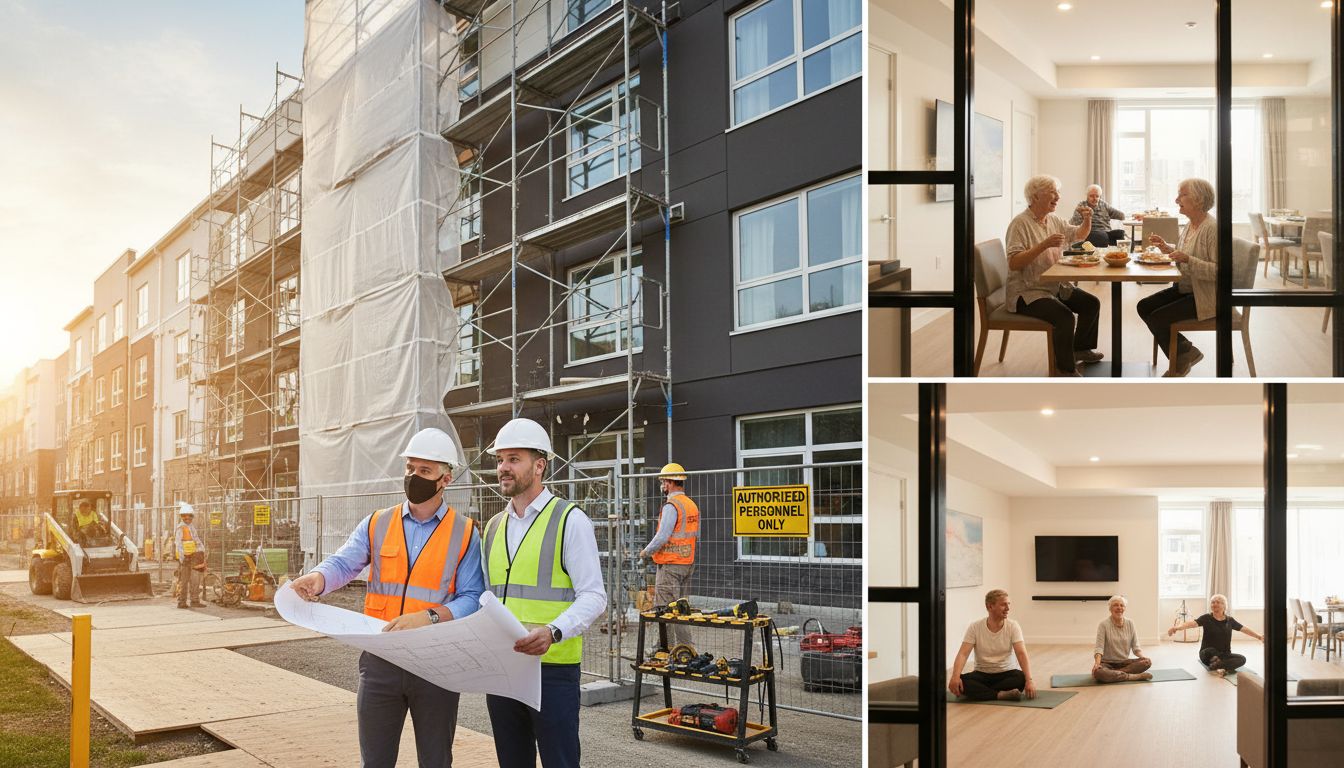
Senior living communities face a unique challenge when planning renovations: balancing resident safety, occupancy rates, and budget constraints while maintaining seamless operations. Whether you’re planning a major capital improvement project or refreshing individual units to boost occupancy, a strategic construction approach separates successful projects from costly delays and complications.
Why Strategic Construction Planning Matters for Senior Living Communities
Senior living facilities operate on tight margins where downtime directly impacts revenue. A single vacant unit represents lost income, but more importantly, construction disruptions can affect resident comfort and satisfaction. Strategic construction planning addresses these challenges head-on by coordinating all project elements—from initial assessment through final delivery—in a way that minimizes operational impact.
The key to success lies in treating construction not as a single event, but as a carefully orchestrated process. Facilities that invest in proper planning before breaking ground consistently report higher resident satisfaction, faster move-in rates, and lower overall project costs. This is especially critical in today’s competitive senior living market, where newer renovated communities are drawing residents from aging facilities.
Assessing Your Capital Needs Before Construction Begins
The first step in any renovation project is understanding exactly what your property requires. Many senior living operators skip this critical phase and jump directly into construction planning, which often leads to missed issues, budget overruns, and inadequate scope definitions.
Property condition assessments provide an objective, third-party evaluation of your building’s current state. A professional assessment identifies:
- Structural and safety concerns that must be addressed
- Systems nearing end-of-life (HVAC, plumbing, electrical)
- Code compliance gaps that could create liability issues
- Accessibility improvements required for resident needs
- Opportunities for efficiency upgrades that reduce operating costs
For senior living communities specifically, assessments should evaluate how current conditions affect resident safety, mobility, and quality of life. An aging roof isn’t just a maintenance issue—it’s a risk to resident safety and a concern for potential residents touring the community.
Capital needs assessments (CNA) go a step further by creating a prioritized roadmap of necessary improvements over the next 5, 10, and 20 years. This allows you to budget strategically and sequence projects in a logical order that maximizes impact while managing cash flow.
Designing Your Renovation Around Operational Continuity
Once you understand what needs to be done, the next challenge is determining how to do it while keeping your community running. This is where construction management expertise becomes invaluable.
Senior living facilities have different operational requirements than standard construction projects. Residents can’t simply vacate the building. Noise, dust, and construction traffic can disturb residents and create safety hazards. Emergency access must be maintained at all times, and certain areas (dining, medical, recreational spaces) may need to remain accessible throughout the project.
Effective construction management for occupied environments requires:
- Detailed sequencing that groups similar work by location and time
- Dust and noise containment strategies that protect resident health
- Maintained traffic patterns that don’t interfere with essential services
- Flexible scheduling that accommodates resident needs and operational changes
- Clear communication with residents about what’s happening and when
When renovating individual units or sections, phased room turns allow you to maintain occupancy while systematically upgrading spaces. For example, you might plan to refresh 10 units per month, allowing existing residents to stay in their homes while new prospects tour beautifully renovated units elsewhere in the community.
The Business Case for Professional Bid Reviews and Contractor Audits
Many senior living operators accept the first contractor quote without question, assuming they’re getting fair pricing. In reality, construction bids can vary dramatically—not just in price, but in quality, scope, and risk allocation.
Professional bid reviews save money and reduce risk by:
- Comparing multiple proposals against your specific project scope
- Identifying missing or incomplete work items that could create change orders later
- Evaluating contractor qualifications, experience, and financial stability
- Spotting pricing inconsistencies that suggest hidden risks
- Ensuring all bids are truly comparable (comparing apples to apples, not apples to oranges)
A small error in bid analysis can cost thousands later. For instance, one contractor might exclude permit costs or assume cheaper materials than another. Without professional analysis, you won’t know which quote truly represents the best value until you’re deep into the project.
Contractor audits take this further by reviewing a contractor’s actual payment records, quality standards, and schedule adherence on previous projects. If a contractor consistently pays subcontractors late or cuts corners on finishing work, that pattern will likely continue on your project.
Building a Realistic Timeline and Budget
Construction timelines for senior living facilities are inherently more complex than standard projects. You can’t simply divide the scope by crew size and arrive at a completion date—operational constraints require buffer time and flexible sequencing.
A realistic renovation timeline for a senior living community should account for:
- Seasonal variations (summers may be slower due to resident departures, winters may restrict outdoor work)
- Resident-friendly scheduling (limiting construction to certain hours, pausing during holidays or special events)
- Supply chain realities (specialized materials for senior-accessible features may have longer lead times)
- Weather contingencies (especially in Texas, where heat can affect material application and worker safety)
- Inspection and approval time (building permits, inspections, and code compliance checks)
Budget accuracy depends on defining scope comprehensively during the planning phase. Vague scope descriptions lead to change orders as unforeseen issues arise. A detailed capital improvements plan that’s been reviewed by experienced construction professionals provides confidence that your budget will hold.
Choosing Construction Partners Who Understand Senior Living
Not all construction companies are equipped to handle senior living projects. You need partners who understand the unique operational, regulatory, and quality standards that these communities require.
The right construction team should bring:
- Experience in senior living or similar occupied environments (hospitals, assisted living, nursing homes)
- Proven track record on projects of similar scope and complexity
- Communication skills to keep residents, family members, and staff informed
- Flexibility to adapt schedules and methods based on operational needs
- Quality focus that treats finishing details with the same rigor as structural work
- Financial stability to weather material cost increases and complete projects on time
- Understanding of accessibility standards specific to senior populations
Veteran-owned construction companies often excel in these areas due to their emphasis on discipline, teamwork, and mission-driven execution. When a company’s leadership comes from military backgrounds, that foundation of accountability and quality translates into reliable construction practices.
From Assessment to Completion: The Four-Step Construction Process
The most successful senior living renovations follow a proven four-step process:
1. Assessment Phase
- Conduct comprehensive property evaluations
- Identify all capital needs and prioritize them
- Document existing conditions with photos and detailed reports
- Engage residents and staff to understand operational constraints
2. Planning Phase
- Develop detailed project scope and specifications
- Create realistic timelines that accommodate operational needs
- Establish clear budgets with contingencies
- Secure necessary permits and approvals
3. Execution Phase
- Maintain transparent communication with all stakeholders
- Execute work according to schedule and budget parameters
- Address issues quickly before they compound
- Document progress and manage any scope changes carefully
4. Delivery Phase
- Complete all punch list items and inspections
- Transition completed spaces back to full operation
- Train staff on any new systems or features
- Capture lessons learned for future projects
This structured approach prevents the chaos that often accompanies renovation projects—the scope creep, the surprise budget increases, the missed timelines that frustrate residents and create operational headaches.
Making the Decision: Renovation ROI for Senior Living
Before committing to any major renovation, facility operators should evaluate the return on investment. Will the project increase occupancy rates? Will it reduce operating costs? Will it improve resident satisfaction?
The answer depends partly on what you’re renovating. Room turns and unit refreshes have immediate payoff through faster lease-ups and higher rental rates. Capital improvements like new HVAC systems reduce operating costs immediately. Accessibility upgrades expand your addressable market to residents who need those features.
A well-executed renovation strategy often delivers returns in multiple ways simultaneously:
- Increased occupancy from more competitive, attractive units
- Operational cost reductions from upgraded, efficient systems
- Improved resident satisfaction from better living conditions
- Reduced maintenance headaches from newer infrastructure
- Enhanced community reputation that attracts both residents and staff
The key is approaching renovations strategically—not as isolated projects, but as part of a comprehensive capital improvement plan that advances your community’s long-term goals.
Moving Forward: Next Steps for Your Senior Living Renovation
If your senior living community is considering renovations or capital improvements, start with a professional assessment of your property’s current condition and future needs. This foundation ensures that every dollar you invest goes toward improvements that genuinely move your community forward.
Whether you’re planning a complete renovation or a targeted room refresh, the same principles apply: clear assessment, strategic planning, professional execution, and transparent communication throughout. Communities that follow this approach consistently achieve better outcomes, satisfied residents, and predictable costs—the trifecta of successful renovation projects.
0 Comments