
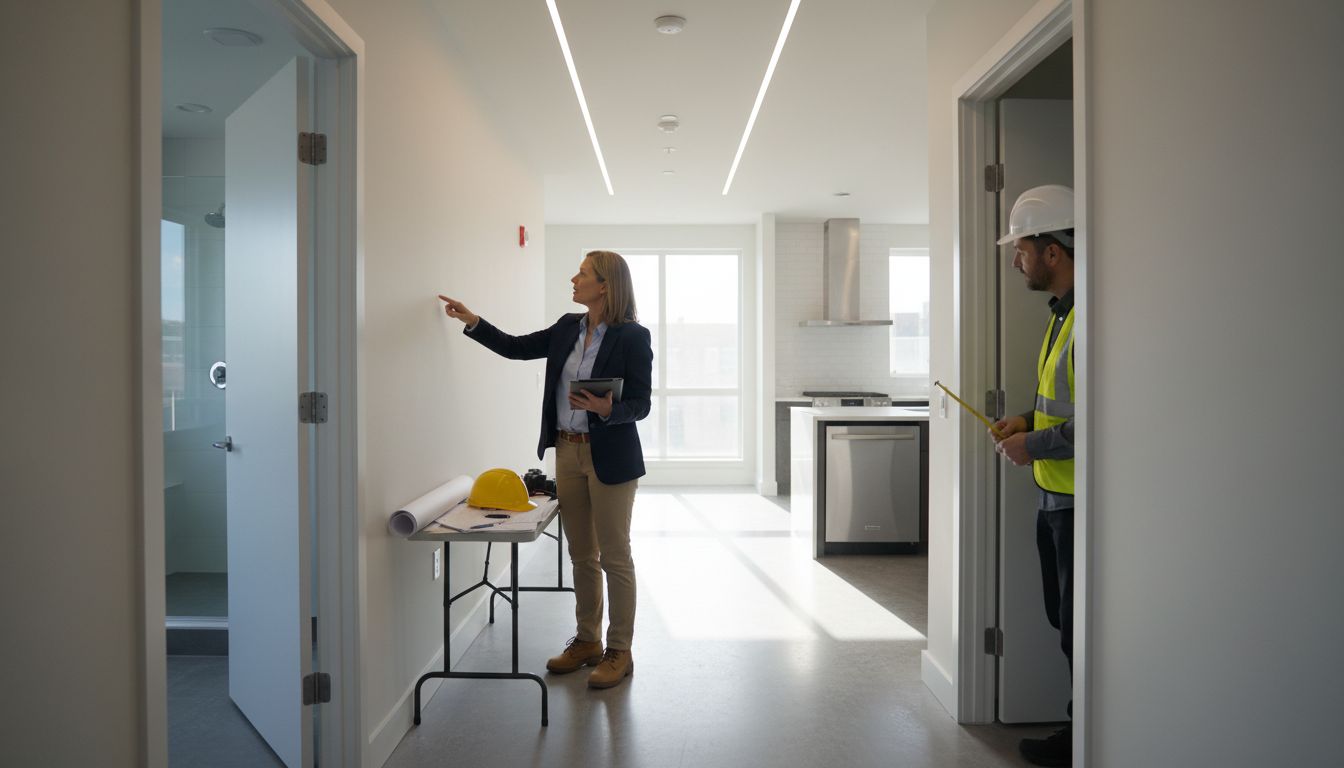
Strategic Capital Improvements for Multi-Family Properties: A Complete Planning Guide
Managing a multi-family housing complex or commercial property requires more than basic maintenance—it demands a strategic approach to capital improvements. Whether you’re overseeing senior living communities, hospitality properties, or apartment complexes, understanding how to plan and execute capital improvements can significantly impact occupancy rates, resident satisfaction, and your bottom line.
Capital improvements represent one of the largest expenses in property management. According to industry standards, property managers should allocate 1-2% of property value annually toward planned capital expenditures. Yet many managers lack a clear framework for identifying which improvements matter most and how to execute them without disrupting operations.
This guide covers everything you need to know about strategic capital improvements—from assessment and planning through professional execution and delivery.
What Are Capital Improvements in Property Management?
Capital improvements are substantial upgrades or replacements that add value to your property, extend the life of building systems, or improve its functionality. Unlike routine maintenance, which keeps systems working, capital improvements fundamentally enhance your property’s condition and market position.
Common capital improvement projects include:
- Roofing systems replacement or major repairs
- HVAC system upgrades for energy efficiency
- Plumbing and water infrastructure improvements
- Energy-efficient lighting and electrical upgrades
- Interior renovations and finishes
- Structural repairs and reinforcement
- Office and commercial space reconfigurations
For senior living and hospitality properties, capital improvements often focus on resident comfort, safety, and accessibility. For multi-family complexes, investors prioritize upgrades that boost occupancy rates and reduce tenant turnover. In commercial spaces, improvements enhance operational efficiency and tenant retention.
Why Capital Needs Assessments Matter
Before investing in capital improvements, you need a clear understanding of your property’s current condition and future needs. A professional capital needs assessment (CNA) or property condition assessment (PCA) provides exactly that.
These assessments identify:
- Current deficiencies in building systems and components
- Deferred maintenance that requires immediate attention
- Expected remaining life of major systems
- Timeline and cost estimates for planned replacements
- Prioritization framework to maximize your investment return
Property managers who conduct CNAs make more informed decisions, avoid costly emergency repairs, and secure better financing terms when needed. Lenders increasingly require these assessments before approving capital loans or refinancing.
Benefits of Professional Property Assessments
A certified professional assessment provides several advantages over in-house evaluations:
- Objectivity: Third-party assessments offer unbiased condition reports
- Credibility: Professional certifications carry weight with lenders and investors
- Regulatory compliance: Assessments ensure you meet all code and safety requirements
- Cost predictability: Detailed estimates help with budgeting and reserve planning
- Risk mitigation: Identifying problems early prevents costly surprises
The Four-Step Process for Capital Improvement Success
Successful capital improvement projects follow a proven methodology: assessment, planning, execution, and delivery.
Step 1: Comprehensive Property Assessment
Start with a detailed evaluation of your entire property. Professional assessors examine:
- Structural integrity and foundation
- Roof condition and remaining useful life
- HVAC and mechanical systems
- Electrical and plumbing infrastructure
- Windows, doors, and exterior components
- Interior finishes and accessibility features
- Building envelope and insulation
This assessment becomes your roadmap for all future decisions.
Step 2: Strategic Planning and Prioritization
With assessment data in hand, develop a prioritized capital improvement plan. Consider:
- Resident safety and code compliance (always first priority)
- System failures or near-end-of-life replacements
- Occupancy impact and resident satisfaction
- Energy efficiency improvements that reduce operating costs
- Aesthetic and functional upgrades that support leasing and retention
Rank projects by urgency, creating a 5-10 year capital improvement schedule with detailed budgets.
Step 3: Professional Execution in Occupied Environments
The best plan falls apart without skilled execution, especially in occupied buildings. Properties with active residents, patients, or tenants face unique challenges: maintaining operational continuity, minimizing disruption, and managing logistics around occupied units.
Experienced construction teams understand how to:
- Coordinate with residents and minimize noise/disruption
- Maintain building operations during renovation
- Handle complex logistics in tight spaces
- Work within resident schedules for maximum convenience
- Meet tight deadlines without sacrificing quality
For senior living facilities and hospitality properties, this expertise becomes critical. A renovation that disrupts resident routines can increase complaints and turnover.
Step 4: Clear Delivery and Handoff
The project isn’t complete until systems are tested, documented, and residents are satisfied. Professional contractors provide:
- Detailed punch lists and final inspections
- Complete documentation and warranties
- System training for your operations team
- Maintenance recommendations for ongoing care
Capital Improvements for Specific Property Types
Different property types have different capital improvement priorities.
Senior Living Facilities
Senior living communities require specialized attention to safety, accessibility, and resident comfort:
- Accessibility upgrades: Wider doorways, grab bars, accessible bathrooms
- Fall prevention features: Improved lighting, non-slip flooring, handrails
- Modernized common spaces: Welcoming, functional community areas
- Room refresh programs: Regular interior updates to maintain resident satisfaction
- HVAC and water systems: Reliability is crucial for health and safety
Room turns—quickly refreshing units between residents—become critical revenue drivers in senior living. Fast, high-quality refreshes minimize vacancy periods and maintain premium occupancy rates.
Multi-Family Residential Complexes
For apartment complexes, capital improvements focus on competitive advantage and resident retention:
- Exterior curb appeal: Landscaping, siding, parking lot upgrades
- Unit modernization: Kitchen and bathroom updates, flooring, appliances
- Common area enhancements: Fitness centers, lounges, outdoor spaces
- Energy efficiency: Updated HVAC, insulation, lighting to reduce utility costs
- Technology infrastructure: High-speed internet, smart home features
Commercial and Hospitality Properties
Commercial tenants and hotel guests expect maintained, efficient spaces:
- Tenant finish-outs: Custom spaces for new or relocating tenants
- Mechanical system upgrades: Reliable HVAC and electrical for operations
- Emergency preparedness: Backup systems and safety infrastructure
- Lobby and public space refresh: First impressions matter
- Accessibility compliance: ADA requirements and inclusive design
Working with Experienced Construction Partners
Not all contractors are equal when it comes to capital improvements. Look for partners who:
- Specialize in your property type (senior living, hospitality, multi-family)
- Have proven experience with occupied environments
- Provide transparent pricing and fixed-cost estimates
- Deliver on-time, on-budget results
- Communicate clearly throughout projects
- Hold proper certifications and insurance
In Fort Worth, Texas, and the surrounding region, finding a contractor with both extensive construction expertise and military-grade discipline can make the difference between a project that’s “done” and one that’s executed with precision and integrity.
Budget Planning for Capital Improvements
Effective capital budgeting prevents financial surprises.
Create a Realistic Reserve
Industry best practices recommend maintaining a capital reserve equal to 1-2% of property value annually. For a $10 million apartment complex, that’s $100,000-$200,000 per year. This reserve allows you to tackle planned improvements without debt.
Prioritize Spending
Allocate reserve funds based on your CNA priorities:
- Urgent repairs: Safety, code violations, system failures
- Near-end-of-life replacements: Roofs, HVAC systems, major plumbing
- Competitive improvements: Upgrades that support occupancy and rates
- Nice-to-have enhancements: Amenities and aesthetic improvements
Secure Financing Strategically
For major projects, specialized construction financing may be available:
- Property improvement loans: For smaller projects or individual properties
- Commercial construction loans: For larger multi-property portfolios
- Equipment replacement financing: For specific system upgrades
- Portfolio refinancing: Incorporating capital needs into property refinancing
Lenders increasingly want to see professional CNAs and detailed improvement plans. These documents strengthen your borrowing position and often secure better terms.
Common Mistakes in Capital Improvement Planning
Avoid these costly missteps:
- Delaying assessments: Deferring a CNA leaves you vulnerable to unexpected failures
- Over-improving for market: Spending beyond what your market supports
- Ignoring occupancy impact: Failing to plan around resident schedules and operations
- Choosing contractors by price alone: The cheapest option often costs more in rework
- Skipping documentation: Without proper records, you lose warranty protection and resale value
The Impact on Property Value and Performance
Strategic capital improvements directly affect your property’s performance:
- Occupancy rates: Well-maintained properties achieve higher occupancy
- Rental rates: Updated properties command premium rents
- Operational costs: Energy-efficient systems reduce utility bills
- Resident satisfaction: Comfortable environments improve reviews and retention
- Asset value: Regular improvements preserve and increase property value
- Resale potential: Well-documented improvements attract buyers and better offers
Properties with documented capital improvement plans and professional assessments sell faster and at higher prices than those without.
Moving Forward: Your Capital Improvement Strategy
Developing a strategic approach to capital improvements requires:
- **Get a professional assessment
0 Comments